

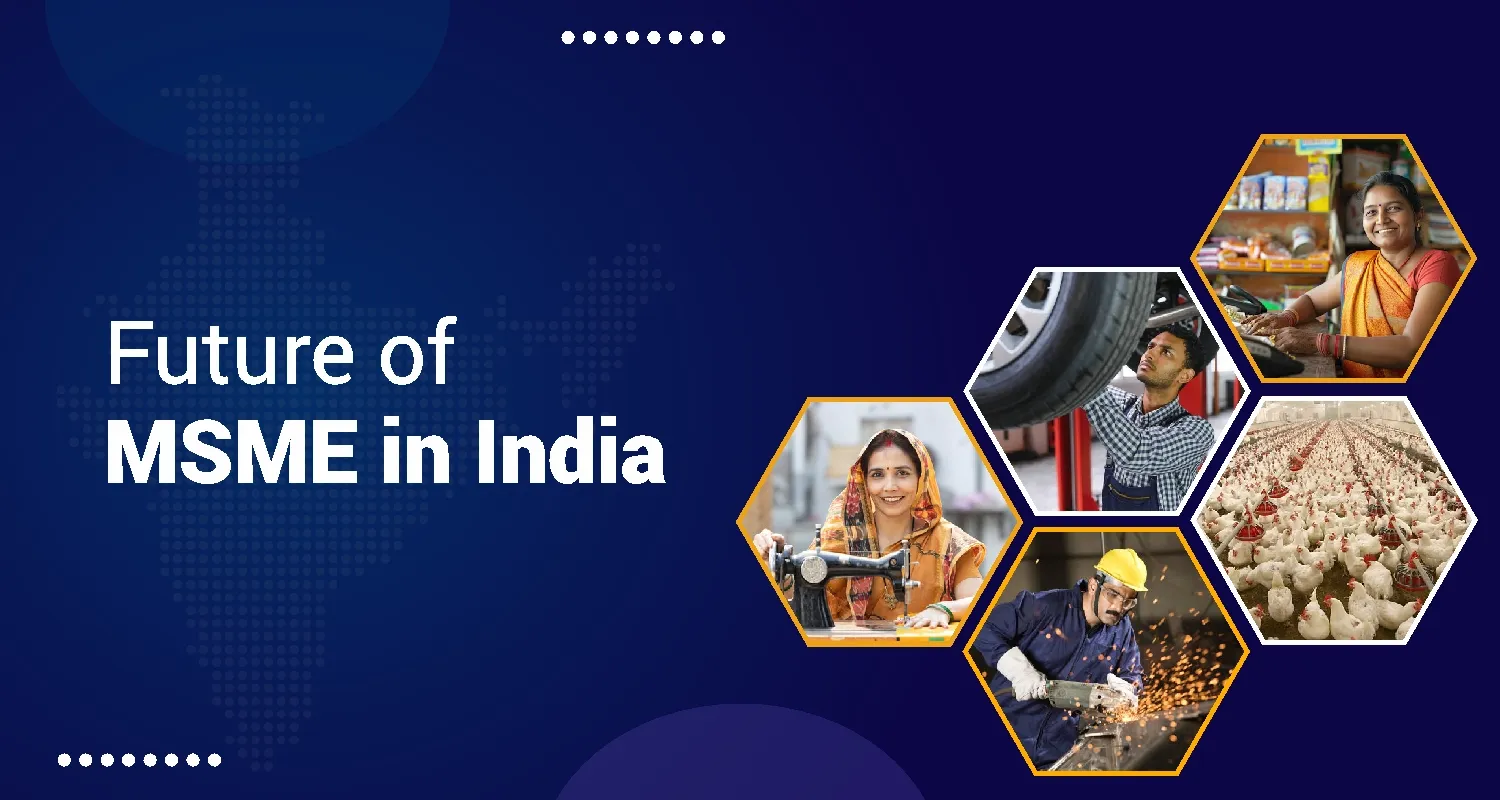
2026 investment playbook for Bharat MSMEs focuses on balancing debt, equity, and diversification in a tighter capital environment. As interest rates stabilise and risk capital stays selective, MSME owners must align personal finance decisions with business funding strategies to ensure resilience and long term growth.
The topic is evergreen with near term relevance. The tone is educational and strategic, not event driven, as it explains how Bharat MSMEs should structure investments and capital decisions through 2026.
Why 2026 Is a Turning Point for Bharat MSMEs
The 2026 investment playbook for Bharat MSMEs is shaped by structural shifts rather than short term cycles. Over the last few years, MSMEs in Tier 2 and Tier 3 India have become more formal, more digital, and more credit visible. GST compliance, digital payments, and account aggregation have changed how lenders and investors assess small businesses.
At the same time, easy capital is no longer available. Banks are cautious, NBFCs are selective, and equity investors demand governance and scale visibility. This makes capital planning a core leadership skill rather than an afterthought.
Secondary keywords like MSME investment strategy and small business finance India define this new reality.
Using Debt Smartly Without Overleveraging
Debt remains the first lever in the 2026 investment playbook for Bharat MSMEs, but the approach must be disciplined. Term loans, working capital limits, and invoice discounting still make sense for businesses with predictable cash flows.
The mistake many MSMEs make is using short term debt to fund long term expansion. This creates repayment stress during demand slowdowns. In 2026, lenders prefer businesses that match loan tenure with asset life and maintain clean repayment histories.
Digital lending platforms and public sector banks continue to expand MSME credit, but interest costs require careful ROI analysis. Debt should fund capacity, efficiency, or revenue visibility, not experimentation.
Equity as a Growth Accelerator, Not a Rescue Tool
Equity funding is becoming relevant for a wider set of Bharat MSMEs, especially those transitioning from local businesses to scalable enterprises. The 2026 investment playbook for Bharat MSMEs treats equity as growth capital, not survival capital.
Angel investors, family offices, and regional funds are interested in profitable or near profitable MSMEs with strong unit economics. Equity dilution is lower when businesses raise capital from a position of strength.
However, equity comes with expectations. Governance, reporting discipline, and strategic alignment matter. MSME founders must be prepared to share control and decision making in exchange for long term value creation.
Secondary keywords like MSME equity funding and small business investors are increasingly relevant in this context.
Diversification Beyond the Core Business
Diversification is a critical but often misunderstood part of the 2026 investment playbook for Bharat MSMEs. Diversification does not mean starting unrelated ventures. It means reducing dependency on a single customer, geography, or revenue stream.
Many MSMEs diversify by adding adjacent products, entering nearby markets, or serving new customer segments using existing capabilities. This improves stability without overstretching resources.
On the personal finance side, MSME promoters must avoid overexposure to their own business. Investing personal surplus into financial assets such as mutual funds, fixed income instruments, or gold creates a safety net during business downturns.
Linking Personal Finance Discipline With Business Stability
A key insight in the 2026 investment playbook for Bharat MSMEs is the link between personal finance and business resilience. Many MSME failures occur not because the business is unviable, but because promoters drain cash for personal needs during stress.
Separating personal and business finances is no longer optional. Regular salaries for promoters, emergency funds, insurance coverage, and long term investments improve decision making during volatile periods.
When personal risk is managed, business decisions become more rational. This discipline is increasingly valued by lenders and investors assessing promoter quality.
Sector Specific Capital Allocation Considerations
Different MSME sectors require different capital strategies. Manufacturing and export oriented units benefit from structured debt and government linked incentives. Service MSMEs may rely more on internal accruals and limited equity infusion.
Retail and trading businesses must manage inventory cycles carefully and avoid excessive borrowing. Technology enabled MSMEs, including SaaS and platform based services, may justify equity if scalability and margins are visible.
The 2026 investment playbook for Bharat MSMEs requires sector aware decision making rather than one size fits all funding strategies.
Building Long Term Capital Readiness
Capital readiness goes beyond funding availability. MSMEs entering 2026 must focus on clean accounting, tax compliance, digital records, and credit discipline. These factors directly influence access to debt and equity.
Businesses that invest early in compliance and transparency reduce future capital costs. They also gain flexibility to choose between lenders and investors rather than accepting unfavourable terms out of urgency.
Over time, this approach compounds into lower risk and higher valuation outcomes.
Takeaways
- 2026 investment playbook for Bharat MSMEs prioritises disciplined use of debt and selective equity
- Diversification should reduce risk, not dilute focus or stretch capital
- Personal finance discipline strengthens business decision making
- Capital readiness and compliance improve long term funding access
FAQs
Should Bharat MSMEs rely more on debt or equity in 2026?
Debt suits stable cash flow businesses, while equity works better for scalable growth models. The right mix depends on business maturity and risk appetite.
Is equity funding suitable for traditional MSMEs?
Yes, if the business shows profitability, governance, and expansion potential. Equity is no longer limited to startups.
How important is personal financial planning for MSME owners?
It is critical. Personal financial stability reduces pressure on business cash flows during downturns.
What is the biggest mistake MSMEs make in capital planning?
Using short term debt for long term expansion without clear revenue visibility.









Leave a comment