

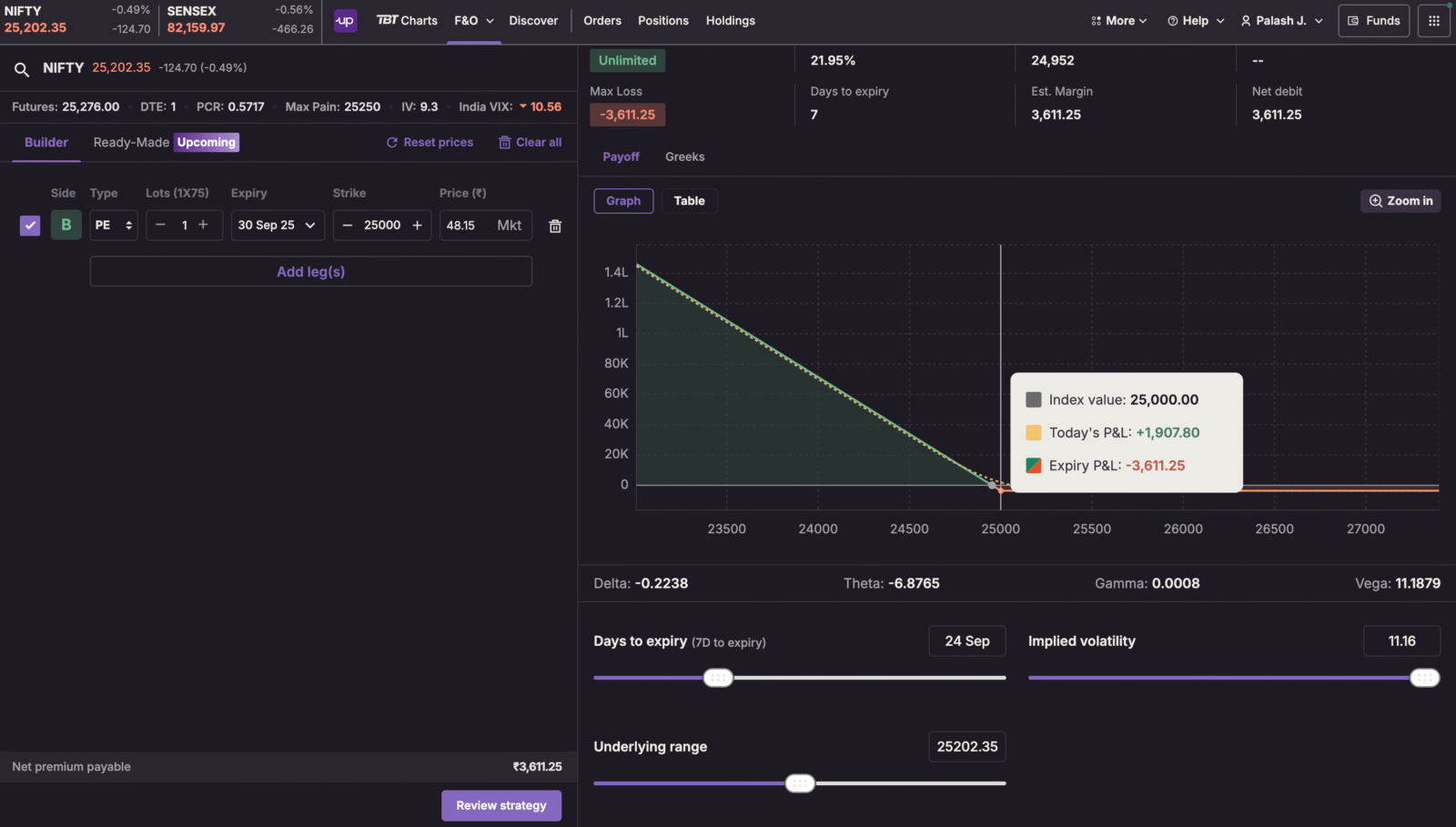
The key keyword here is “India VIX” and today’s rise of more than 13% signals heightened market volatility. For first-time investors especially outside major metro areas, this jump in the volatility index marks a crucial moment to reassess strategy and risk.
What the India VIX spike really means
The India VIX measures expected near-term volatility based on option prices for the Nifty index. A rise of 13 %+ indicates that traders foresee larger price swings in the domestic equity market. While price direction isn’t specified, higher VIX equals greater uncertainty. Retail investors in smaller cities, who often enter the market during calmer phases, now face a higher likelihood of sharp swings in both directions. This means that the environment has shifted: what felt stable may be less so.
How this affects first-time investors- especially in non-metros
In metro hubs, investors often have access to better advice, faster information, and diversified portfolios. For first-timers in tier-2 or tier-3 towns the challenges are different: fewer local support systems, less diversification, and lower risk-tolerance. With volatility elevated, newer investors outside metros may face higher stress: a sudden fall in a local favourite stock can wipe out a large portion of gains, peer pressure to follow momentum trades can increase, and the emotional cost of loss is magnified when investing is done with limited margin. It’s also common for smaller-city investors to hold fewer stocks and rely more on word-of-mouth or local sentiment; in a high-volatility phase that can backfire.
Risk management when volatility is rising
With secondary keyword “risk management in elevated volatility”, first-time investors should prioritise the following:
• Start with small exposure: limit the portion of capital invested until you are comfortable with swings.
• Diversify even if your local market habit is concentrated: mix across sectors, large-cap vs smaller-cap, or use index funds rather than single stocks.
• Use stop-loss or predefined risk thresholds: know how much loss you can tolerate and lock-in a plan.
• Avoid chasing high-momentum trades simply because the market is swinging: high VIX often brings whipsaws that favour experienced traders, not new entrants.
Example: If you buy a growing stock from a smaller-city company based on local buzz, in a high-volatility phase you may face cutting losses abruptly if market sentiment reverses.
Opportunity in volatility for mindful investors
Volatility isn’t only a hazard; it can also create opportunity. With the VIX higher, valuations may correct or overshoot, enabling strategic long-term entry points. For those outside metros: this might mean researching quality companies in your local region or neighbourhood economy that are undervalued because broader market fear has temporarily suppressed their price. Use the elevated visibility of risk to ask tougher questions about business models, governance, and financial strength rather than following crowd moves. This mindset shift—treating the VIX rise as signal, not panic—can give non-metro first-time investors a competitive edge.
Practical steps for smaller-city beginners
Start by building a buffer: ensure you have emergency savings and avoid investing money you might need within the next 1-2 years. Buy via a broad-based index or exchange-traded fund (ETF) rather than picking individual stocks unless you have deep research. Use local investor clubs or online forums to understand how volatility impacted similar investors in past spikes. Set a clear time-horizon—volatility tends to affect short-term holdings more aggressively than long-term ones. Avoid margin or leveraged trades; in smaller cities where brokerage support may be less, the risk of margin calls under volatile conditions is amplified.
Takeaways
• A 13 %+ rise in India VIX signals increased market turbulence ahead.
• First-time investors outside metros face higher emotional and structural risk in volatile phases.
• Proper risk management, diversification and patience are essential when volatility is elevated.
• Elevated volatility can also become a strategic entry moment for those who act cautiously and long-term.
FAQs
Q: Does a rising VIX mean the market will definitely go down?
A: No. VIX measures expected volatility, not direction. The market could go up or down; the key is that the swing is likely to be larger than normal.
Q: Is high VIX bad for long-term investors?
A: Not necessarily. Long-term investors who hold diversified portfolios and stay invested may use volatility to their advantage by buying at lower prices. The danger is for unprepared investors who panic during swings.
Q: As a beginner investor in a smaller city, what should I avoid right now?
A: Avoid concentrating your portfolio in one or two stocks, avoid trading based purely on local buzz without research, and avoid borrowing to invest. High volatility heightens all these risks.
Q: Should I wait for the VIX to come down before investing?
A: Timing the market is difficult. Rather than waiting, consider gradually building your portfolio, focus on quality, and treat any dips as buying opportunities rather than indicators of long-term danger.











Leave a comment