

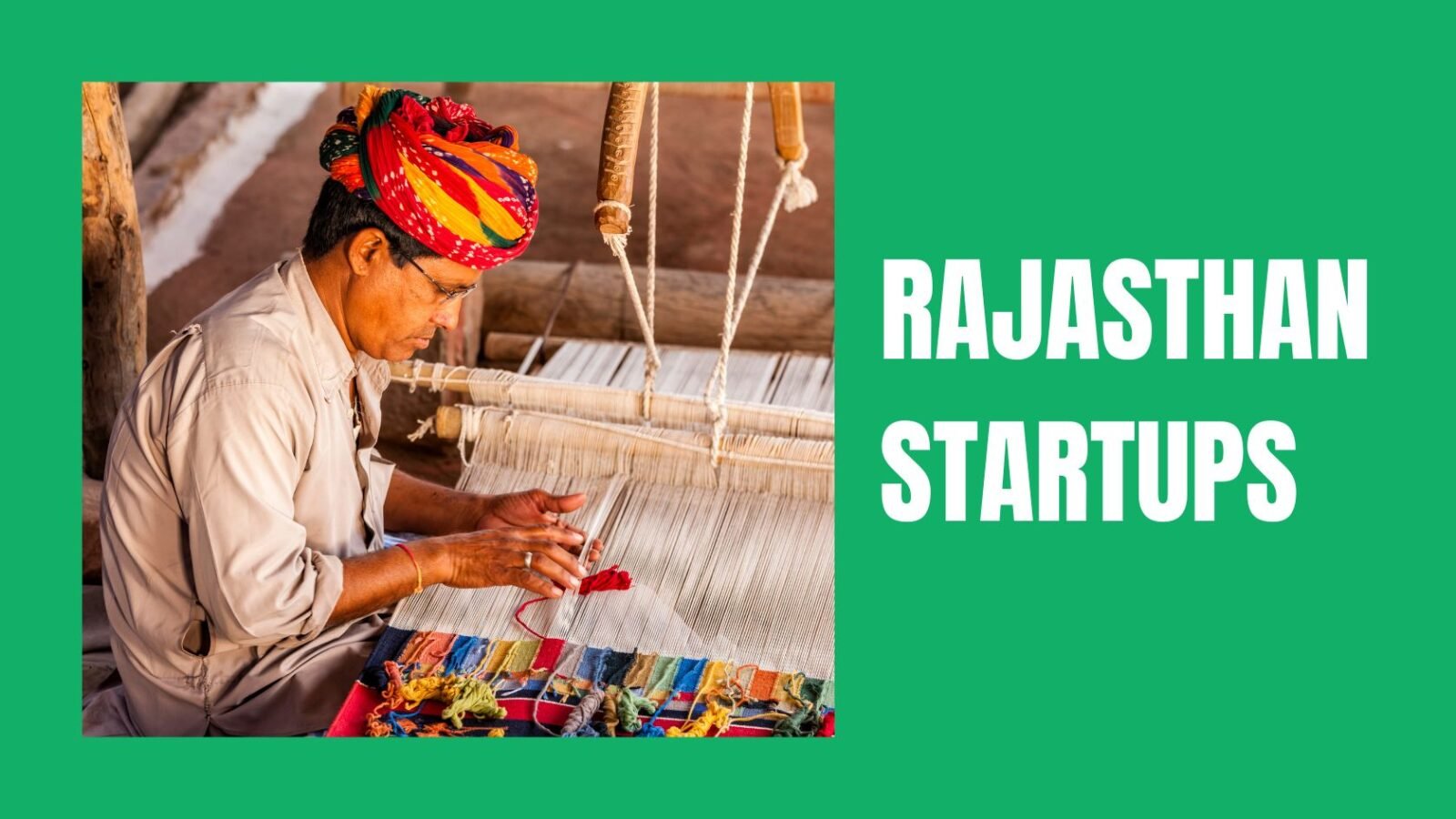
Rajasthan Government’s ₹100 Cr Startup Support Fund signals a policy push to decentralise India’s startup ecosystem beyond metros. Announced with focus at the TiE Global Summit, the fund targets early stage startups, local innovation, and job creation across Tier 2 and Tier 3 cities in the state.
Rajasthan Government’s ₹100 Cr Startup Support Fund is positioned as a catalytic pool of capital rather than a one time grant scheme. The intent is informational and policy driven, with a semi news tone because it reflects a current government initiative with long term impact.
Why Rajasthan Launched the ₹100 Cr Startup Support Fund
The Rajasthan Government’s ₹100 Cr Startup Support Fund was introduced to address a structural gap in early stage funding outside major metro cities. Despite having a large youth population, engineering colleges, and MSME clusters, startups in Rajasthan have historically struggled to access seed capital.
The state government aims to retain local talent that often migrates to Bengaluru, Delhi NCR, or Mumbai. By offering structured financial support, the policy seeks to encourage founders to build and scale companies locally. This aligns with broader secondary keywords like state startup policy and regional entrepreneurship development.
The fund also supports Rajasthan’s ambition to be recognised as a startup friendly state rather than just a tourism or minerals driven economy.
Structure of the Fund and How Capital Will Be Deployed
The ₹100 Cr fund is designed as a blended support mechanism. Instead of only direct grants, the corpus is expected to be deployed through seed funding, early stage equity participation, and innovation linked incentives.
Startups at ideation, prototype, and early revenue stages are expected to be eligible, particularly those registered in Rajasthan. The focus is on capital efficiency rather than large ticket funding. Typical support sizes are expected to range from small seed cheques to modest early stage investments.
This structure allows the government to support a larger number of startups while spreading risk. Secondary keywords like early stage startup funding and government backed venture support apply strongly here.
Sectors Likely to Benefit Most From the Fund
The Rajasthan Government’s ₹100 Cr Startup Support Fund prioritises sectors aligned with the state’s economic strengths and public needs. These include agritech, food processing, renewable energy, water management, health tech, edtech, handicrafts, and tourism technology.
Manufacturing linked startups, especially those working with MSMEs in textiles, gems, and engineering goods, are also expected to gain. Digital platforms solving logistics, supply chain, and local commerce problems in smaller cities fit the policy vision.
Unlike metro focused consumer internet startups, the emphasis here is on problem solving businesses with local relevance and scalable models.
Role of TiE Global Summit in Shaping the Policy Narrative
The TiE Global Summit played a key role in positioning the ₹100 Cr Startup Support Fund before investors, mentors, and ecosystem partners. The platform helped signal that Rajasthan is open to collaboration with private capital, accelerators, and experienced founders.
By highlighting the fund at an international entrepreneurship forum, the state government aimed to attract not just local startups but also external investors looking at emerging markets. This improves credibility and reduces perception risk around state led startup initiatives.
The summit focus also indicates that the fund is part of a longer term ecosystem building plan rather than a standalone announcement.
What This Means for Startups Outside Metro Cities
For founders operating in Jaipur, Jodhpur, Kota, Udaipur, Ajmer, and other cities, the Rajasthan Government’s ₹100 Cr Startup Support Fund lowers the first barrier to entry. Access to early capital can now be combined with incubators, state sponsored mentorship, and policy incentives.
Lower operating costs in Tier 2 and Tier 3 cities improve capital efficiency. Startups can achieve product market fit with less burn compared to metro peers. This makes them more attractive for follow on funding once initial traction is achieved.
The policy also sends a strong signal that serious startup outcomes are possible without relocating to major hubs.
Implications for Investors and the Broader Startup Ecosystem
For angel investors and early stage funds, the fund creates a pipeline of de risked startups. Government backed seed capital can absorb early experimentation risk, allowing private investors to enter at slightly later stages.
For the ecosystem, it encourages decentralisation of innovation. Over time, this can reduce overcrowding in metro startup markets and create region specific success stories.
If implemented with transparency and professional governance, the fund can become a model for other states seeking to expand startup activity beyond metros.
Takeaways
- Rajasthan Government’s ₹100 Cr Startup Support Fund targets early stage startups in Tier 2 and Tier 3 cities
- The fund focuses on capital efficient, locally relevant business models rather than high burn growth
- Sector priorities align with Rajasthan’s economic strengths like agritech, MSMEs, and renewable energy
- The initiative strengthens decentralised startup growth and investor confidence outside metros
FAQs
Who can apply for the Rajasthan Government’s ₹100 Cr Startup Support Fund?
Early stage startups registered in Rajasthan, especially at ideation or early revenue stages, are expected to be eligible subject to policy guidelines.
Is the ₹100 Cr fund offered as grants or equity?
The fund is structured as a mix of seed support, incentives, and potential equity participation rather than only grants.
Does this fund replace private investment for startups?
No. It complements private capital by supporting early experimentation and improving startup readiness for follow on funding.
Why is the focus on Tier 2 and Tier 3 cities important?
These regions offer lower costs, untapped talent, and large local markets, making them critical for sustainable startup growth.










Leave a comment