

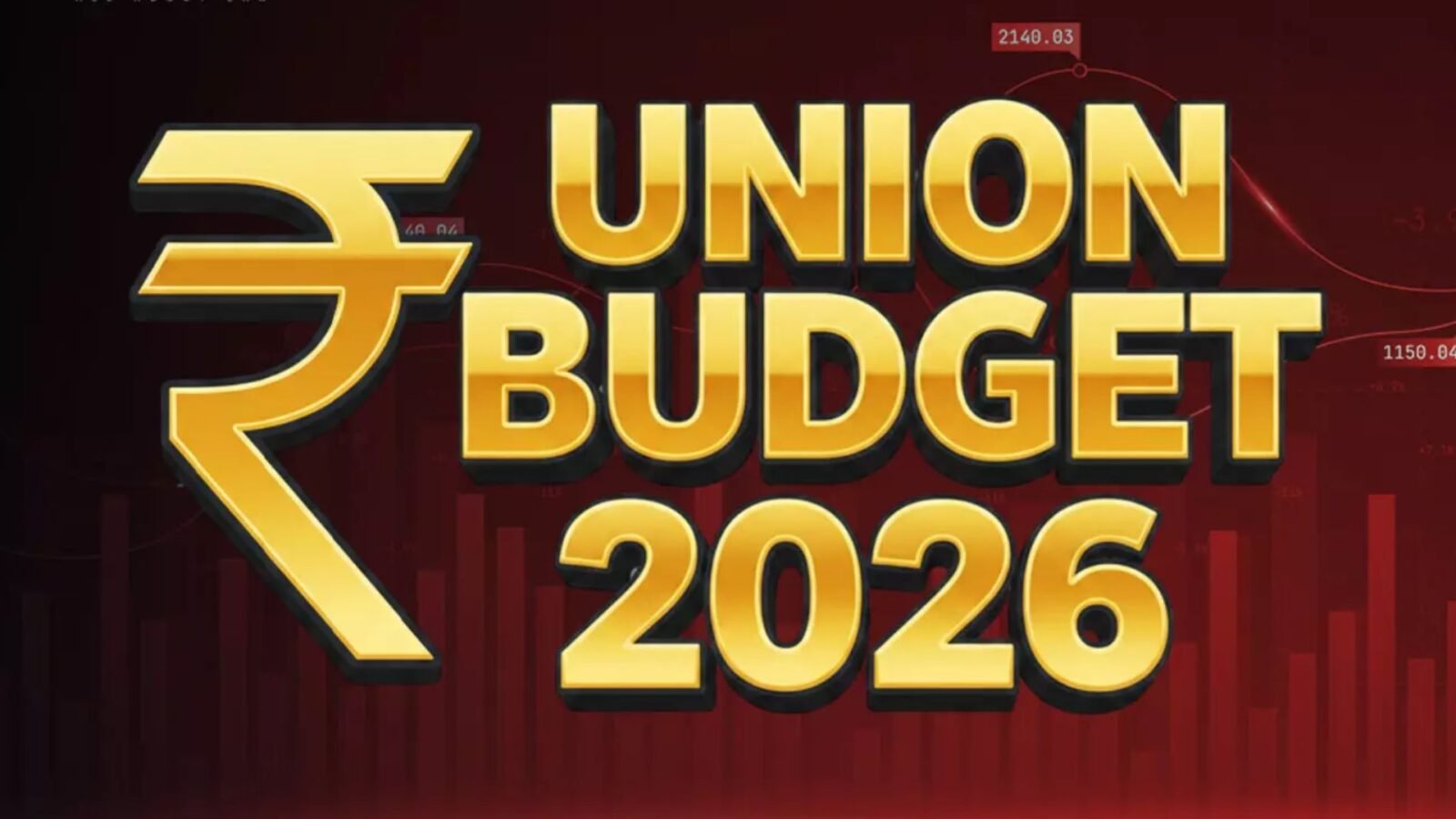
MSME and startup expectations from Budget 2026 reflect a strong demand for practical relief rather than headline announcements. Small business owners across India are looking for easier credit access, lower compliance friction, predictable taxation and targeted support that directly improves cash flow and growth visibility.
Intent and nature of the topic
This is a time-sensitive news-led analysis. The tone is factual and reporting-oriented, focused on what MSMEs and startups are actively seeking from Budget 2026 based on prevailing economic conditions.
Credit access remains the top priority for MSMEs
The dominant expectation from Budget 2026 among MSMEs is improved access to affordable credit. Despite multiple schemes in recent years, small businesses continue to face challenges in securing timely working capital and expansion finance. High collateral requirements, slow loan processing and cautious lending norms limit growth, especially in Tier-2 and Tier-3 markets.
Business owners want expansion of credit guarantee coverage, faster disbursement timelines and wider participation of regional banks and NBFCs. Startups at early stages are particularly focused on seed and bridge funding support to navigate longer fundraising cycles. Without predictable liquidity, even viable businesses struggle to sustain operations.
Secondary keywords such as MSME credit support and startup funding access naturally define this expectation.
Simplification of compliance and regulatory processes
Another major expectation from Budget 2026 is meaningful compliance simplification. MSMEs and startups operate under multiple regulatory frameworks involving taxation, labour laws, environmental clearances and sector-specific rules. While digital systems exist, the actual compliance burden remains heavy for small teams.
Business owners expect rationalisation of filings, reduced frequency of returns and clearer thresholds for regulatory applicability. For startups, especially those scaling across states, compliance consistency is critical. Simplified norms reduce dependency on consultants and free up founder time for core business activities.
Regulatory clarity is also closely linked to investor confidence, as clean compliance histories directly influence funding outcomes.
Tax predictability and relief for reinvestment
Tax-related expectations from MSMEs and startups go beyond rate reductions. What small business owners want is predictability and incentives aligned with reinvestment and growth. Sudden changes in tax treatment disrupt planning cycles and cash flow management.
Many MSMEs expect rationalisation of GST structures, fewer rate slabs and faster input credit refunds. Export-oriented startups look for smoother refund mechanisms and reduced working capital lock-in. There is also demand for targeted tax relief for businesses reinvesting profits into capacity expansion, technology upgrades or hiring.
Secondary keywords like MSME tax relief and startup reinvestment incentives are central to this discussion.
Support for hiring, skilling and workforce stability
Labour availability and skill readiness are growing concerns for MSMEs. Budget 2026 expectations include incentives for formal hiring, apprenticeship programs and skill-linked wage support. Small businesses often struggle to compete with larger firms on salaries, making retention difficult.
Startups, especially in technology and services, seek clarity on employment-linked benefits and simplified labour compliance. Skill development programs aligned with local industry needs are critical for Tier-2 cities, where talent availability can limit growth despite demand.
Workforce stability directly impacts productivity and scalability, making this a priority area for business owners.
Market access and demand-side support
Beyond cost relief, MSMEs and startups expect Budget 2026 to strengthen demand creation. Access to government procurement, faster payment cycles and transparent tendering processes remain key expectations.
Small manufacturers and service providers want simplified onboarding for public procurement platforms and assured payment timelines. Startups working in sectors like fintech, health-tech and agri-tech look for clearer policy frameworks that encourage adoption of their solutions by public institutions.
Demand-side support reduces reliance on discounts and improves revenue stability, which is essential during uncertain market cycles.
Infrastructure and digital enablement expectations
Physical and digital infrastructure continues to shape MSME competitiveness. Business owners expect Budget 2026 to prioritise logistics efficiency, power reliability and broadband penetration in non-metro regions.
For startups, digital public infrastructure plays a critical role in scaling products and services. Expectations include smoother integration with digital identity, payments and compliance platforms. Improved infrastructure lowers operating costs and expands addressable markets, especially for businesses operating outside major cities.
Secondary keywords such as MSME infrastructure support and digital enablement for startups reflect this structural need.
Risk capital and innovation support for startups
Startups expect Budget 2026 to address the risk capital gap, particularly at early stages. While late-stage funding fluctuates with market sentiment, seed and Series A capital remains critical for innovation continuity.
Founders seek expansion of government-backed seed funds, clearer exit frameworks and incentives for domestic investors to participate in early-stage funding. Innovation-linked grants, rather than only debt-based schemes, are seen as more effective for product-driven startups.
A stable risk capital environment encourages experimentation and reduces premature shutdowns of viable ventures.
Takeaways
• MSMEs want faster, cheaper and more predictable access to credit
• Compliance simplification remains a core expectation from small businesses
• Tax predictability and reinvestment incentives matter more than rate cuts
• Demand creation and infrastructure support are critical for sustainable growth
FAQs
What are MSMEs expecting most from Budget 2026?
Improved credit access, simpler compliance, predictable taxation and faster government payments are the top expectations.
Do startups and MSMEs have different budget priorities?
Yes. MSMEs focus more on liquidity and compliance relief, while startups prioritise risk capital, innovation support and regulatory clarity.
Why is compliance simplification important for small businesses?
Complex compliance consumes time and money, limiting the ability of small teams to focus on growth and operations.
Will Budget 2026 impact Tier-2 and Tier-3 businesses significantly?
Yes. Infrastructure, credit and skilling allocations can directly improve business viability in non-metro regions.










Leave a comment