

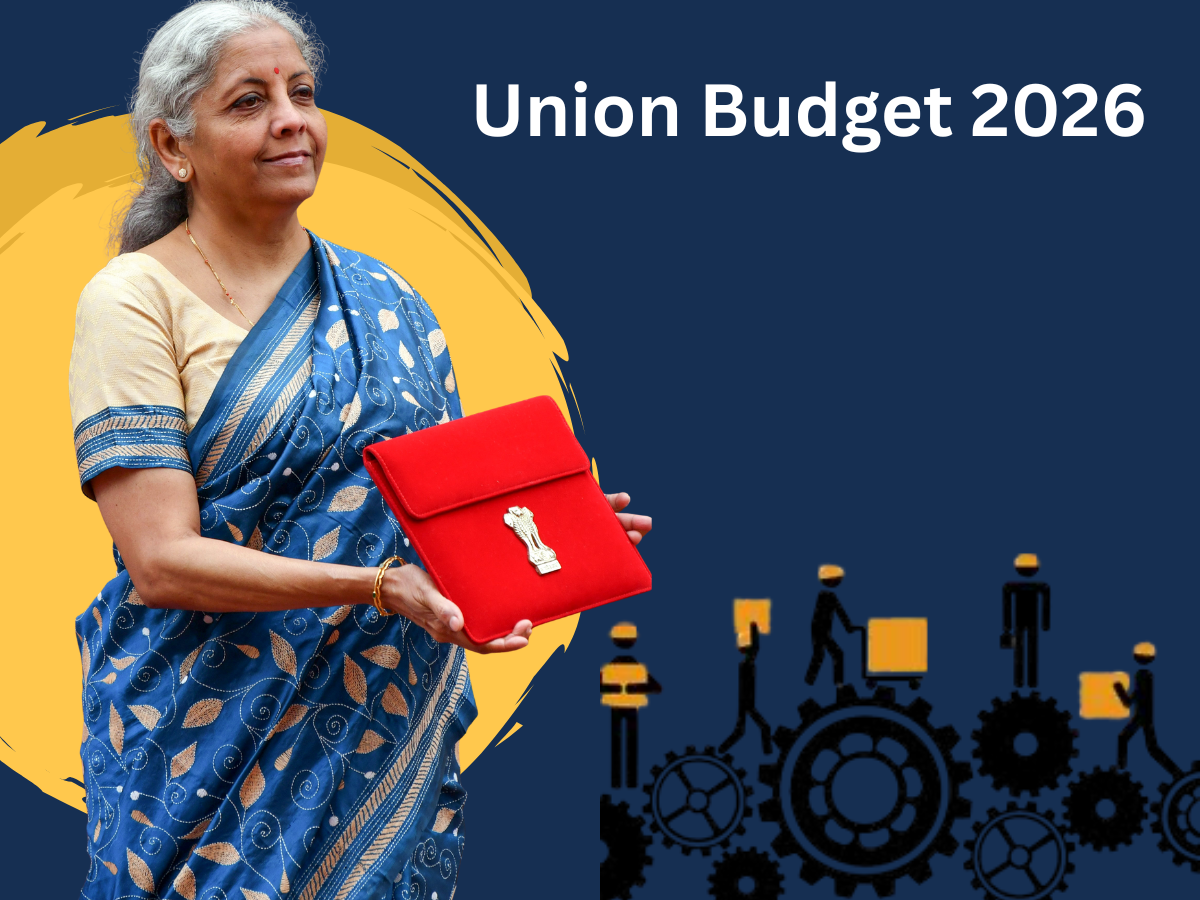
Budget 2026 immediate impacts on SMEs and local industries are becoming clearer as policy announcements move into execution. For Tier 2 cities, changes in taxation, credit access and infrastructure allocation could shape growth trajectories over the next fiscal cycle.
Budget 2026 immediate impacts on SMEs are particularly significant in Tier 2 cities where small and medium enterprises form the backbone of employment and regional output. Unlike large corporations, SMEs are more sensitive to shifts in tax structures, compliance requirements and working capital cycles. The Union Budget has outlined measures aimed at strengthening manufacturing, improving credit flow and accelerating infrastructure development, all of which directly affect local industries.
Tax Relief and Compliance Simplification for MSMEs
One of the most closely watched aspects of Budget 2026 is taxation reform for MSMEs. Simplified compliance procedures and digital filing systems are intended to reduce administrative burdens. For SMEs operating in Tier 2 cities, where professional advisory access may be limited, streamlined processes can lower operational friction.
If tax slabs, presumptive taxation thresholds or incentives for formalization have been adjusted, SMEs may experience immediate cash flow benefits. Faster refund mechanisms under indirect tax systems also improve liquidity. Working capital efficiency is critical for small manufacturers and traders who operate on tight margins.
However, implementation remains key. Clarity in notification rules and consistent digital infrastructure are necessary to ensure that compliance costs genuinely decrease rather than shift to new systems.
Credit Access and Collateral Free Lending
Credit availability often determines whether SMEs can scale production or expand into new markets. Budget 2026 provisions related to credit guarantee schemes, collateral free loans or interest subvention can provide short term relief and long term stability.
In Tier 2 cities, many enterprises rely on public sector banks and regional financial institutions. Expansion of credit guarantee coverage reduces risk for lenders and encourages higher disbursements. This is especially relevant for manufacturing clusters, textile units, food processing firms and auto component suppliers located outside metros.
Digital lending platforms and fintech integration have improved access in recent years. Policy backing strengthens confidence among both lenders and borrowers. If credit lines are disbursed efficiently, SMEs can invest in technology upgrades, automation and capacity expansion.
Infrastructure Allocation and Local Industry Growth
Infrastructure spending has a multiplier effect on local industries. Budget 2026 allocations toward highways, logistics parks, industrial corridors and rail connectivity directly influence Tier 2 economies. Improved transport networks reduce input costs and shorten delivery timelines.
For example, a new freight corridor connecting an industrial town to a major port can significantly improve export potential. SMEs engaged in engineering goods, chemicals or agro processing benefit from faster turnaround times.
Urban infrastructure projects in Tier 2 cities also stimulate demand for construction materials, electrical equipment and services. Local suppliers often secure contracts in such projects, creating immediate revenue opportunities. The real impact will depend on how quickly sanctioned projects move to ground level execution.
Manufacturing Incentives and Production Linked Schemes
Production linked incentive schemes and sector specific subsidies remain central to India’s industrial strategy. Budget 2026 updates or extensions to these programs can affect SMEs differently depending on sector alignment.
Large corporations may capture the majority of headline incentives, but ancillary suppliers in Tier 2 cities often benefit indirectly. Increased domestic manufacturing generates demand for components, packaging, maintenance services and logistics support.
SMEs that integrate into larger supply chains stand to gain the most. However, to capitalize, they must meet quality standards and compliance norms. Skill development initiatives and technology adoption support are therefore critical complements to financial incentives.
Rural Demand and Consumption Trends
SMEs in Tier 2 cities frequently serve both urban and rural markets. Budget measures focused on agriculture, rural infrastructure and income support can indirectly stimulate demand for consumer goods, farm equipment and small scale services.
If rural disposable incomes rise, sectors such as FMCG, two wheelers and construction materials may see higher volumes. Local distributors and retailers in smaller cities respond quickly to such shifts. Early indicators such as credit growth, inventory cycles and retail sales will reveal the strength of demand recovery.
At the same time, inflation management and input cost control remain important. SMEs are particularly vulnerable to volatility in raw material prices and energy costs.
Execution Will Define Long Term Outcomes
The immediate impacts of Budget 2026 on SMEs will be visible in liquidity, compliance efficiency and order flows over the next two quarters. Long term structural benefits depend on consistent policy execution, transparent guidelines and efficient project rollout.
For Tier 2 cities, the opportunity lies in leveraging improved infrastructure and credit access to build competitive manufacturing and service ecosystems. Policymakers and industry bodies must coordinate to ensure awareness and accessibility of schemes.
If effectively implemented, Budget 2026 could reinforce the role of SMEs as engines of regional growth, employment generation and export diversification.
Takeaways
Budget 2026 offers potential tax and compliance relief for SMEs in Tier 2 cities.
Expanded credit schemes can improve liquidity and support capacity expansion.
Infrastructure allocations may create immediate demand for local suppliers.
Execution speed and clarity will determine the real economic impact.
FAQs
How does Budget 2026 affect SMEs in Tier 2 cities?
It influences taxation, credit access, infrastructure development and demand conditions, all of which shape SME growth prospects.
Will credit availability improve immediately?
If credit guarantee schemes and lending incentives are operationalized quickly, SMEs may see improved loan access in the short term.
Do infrastructure projects directly benefit small businesses?
Yes, local suppliers often participate in construction and logistics contracts, and improved connectivity lowers operational costs.
What risks remain for SMEs after the Budget?
Implementation delays, inflationary pressures and compliance complexity can limit the benefits if not managed effectively.












Leave a comment