

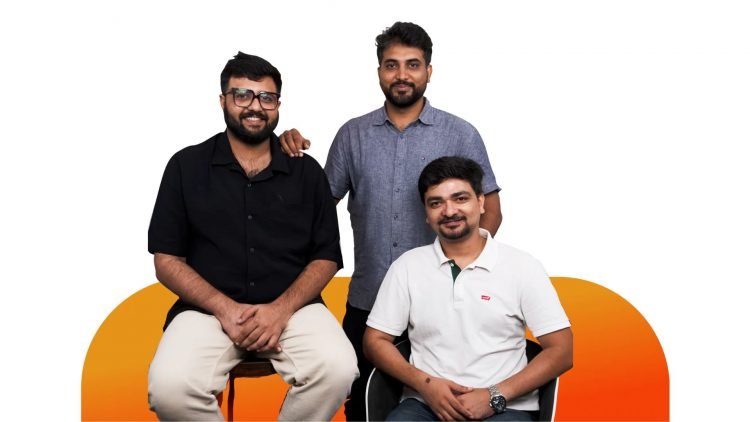
Wishlink has secured a $17.5 million funding round led by Vertex, marking a significant push in India’s creator commerce space. The investment highlights growing confidence in influencer monetisation platforms that combine social discovery with direct product sales.
The Vertex led $17.5M boost to creator commerce startup Wishlink signals strong investor interest in structured influencer monetisation models. As social media creators evolve from brand promoters to independent commerce channels, platforms that enable seamless product linking, analytics and payouts are attracting venture capital. The funding is expected to support technology upgrades, brand partnerships and category expansion.
Creator commerce gains institutional backing
Creator commerce refers to platforms that allow influencers to directly monetise content by linking products and earning commissions on sales. Unlike traditional brand deals that rely on fixed campaign payments, commerce driven models create recurring income streams based on performance.
Wishlink operates at the intersection of content and ecommerce by enabling creators to curate product storefronts, share affiliate links and track conversions. A $17.5M round led by an established venture investor indicates that the model has demonstrated early scale and revenue traction.
Venture capital firms are increasingly backing platforms that sit on top of existing social networks rather than building new social apps. This approach reduces customer acquisition costs while leveraging the reach of platforms such as Instagram and YouTube.
New monetisation models for influencers
Influencer monetisation models are shifting from sponsorship heavy strategies to commerce linked earnings. Affiliate marketing, curated storefronts and live shopping integrations are becoming central revenue streams. These models align creator incentives with product performance.
For creators in Tier 2 and Tier 3 cities, commerce platforms offer structured earnings without relying solely on brand negotiations. Smaller creators can monetise niche audiences by promoting relevant products across beauty, fashion, home and electronics categories.
Data analytics is a critical differentiator. Platforms provide dashboards showing click through rates, conversion ratios and commission payouts. This transparency strengthens trust and allows creators to optimise content for higher sales impact.
Ecommerce integration and brand partnerships
Wishlink’s growth strategy is likely to focus on deeper ecommerce integrations and exclusive brand partnerships. Seamless checkout experiences and real time inventory tracking improve conversion efficiency. The closer the integration between content and purchase, the higher the monetisation potential.
Brands benefit from performance based marketing. Instead of paying fixed fees for reach, they can track actual sales generated through creators. This aligns marketing budgets with measurable return on investment.
The $17.5M funding may support expansion into additional product categories and regional markets. Local language content and regional influencer networks can unlock incremental commerce demand outside metros.
Competitive landscape in influencer commerce
The creator economy in India has grown rapidly, with millions of content creators across platforms. Several startups and global players offer affiliate tools and link in bio commerce solutions. Competition centres around commission rates, payout reliability and analytics sophistication.
For a platform like Wishlink, retention of top creators is essential. Consistent payouts, brand collaborations and user friendly interfaces strengthen loyalty. Building network effects where brands prefer the platform due to concentrated creator presence can create defensible positioning.
Regulatory compliance is also important. Transparent disclosures around affiliate links and adherence to advertising guidelines protect long term sustainability.
Investor perspective on creator economy
Venture capital interest in the creator economy is driven by structural digital adoption. India’s social media user base continues to expand, and ecommerce penetration is rising steadily. When these two trends converge, commerce enabled content platforms become attractive investment themes.
However, investors evaluate monetisation efficiency carefully. Gross merchandise value generated per creator, average commission rates and platform margins are critical metrics. Sustainable growth requires balancing creator incentives with platform revenue share.
The funding round also reflects confidence in the broader digital advertising shift toward measurable performance marketing.
Outlook for creator commerce platforms
With fresh capital, Wishlink is positioned to scale technology infrastructure and onboard more creators. Enhancing recommendation algorithms, improving discovery features and expanding brand relationships are likely priorities.
The evolution of influencer monetisation models suggests a transition from attention driven economics to transaction driven ecosystems. Platforms that successfully integrate content, commerce and analytics can capture meaningful market share.
As digital consumption deepens across regions, creator commerce is expected to grow beyond metro influencers. Structured monetisation tools may enable regional creators to build sustainable businesses around their content.
Takeaways
Wishlink has raised $17.5M in a Vertex led funding round
Creator commerce platforms enable performance based influencer earnings
Tier 2 and Tier 3 creators benefit from structured affiliate models
Data analytics and seamless ecommerce integration drive scalability
FAQs
What is creator commerce
Creator commerce allows influencers to earn commissions by promoting and selling products directly through affiliate links and curated storefronts.
How does this differ from traditional influencer marketing
Traditional marketing often involves fixed sponsorship fees, while creator commerce is performance based and linked to actual sales.
Why are investors backing influencer commerce startups
They see long term growth potential as social media engagement and ecommerce penetration increase simultaneously.
Can small creators benefit from these platforms
Yes, even micro creators can monetise niche audiences through affiliate driven models without relying solely on brand sponsorships.












Leave a comment