

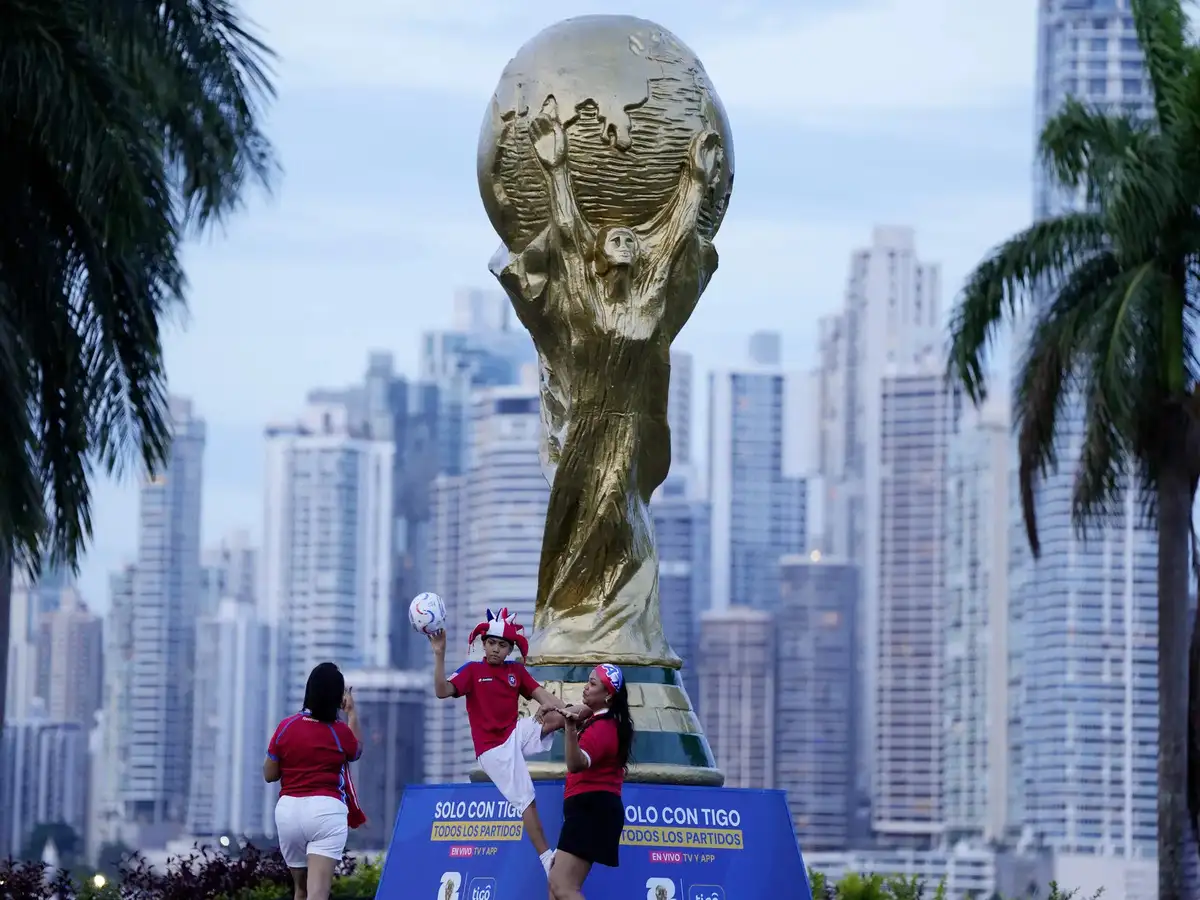
The FIFA World Cup 2026 is creating new opportunities for Indian brands to connect with consumers through sports marketing, digital campaigns, influencer partnerships, and regional engagement. As football’s popularity grows in India, marketers are preparing innovative strategies to capitalize on the global sporting spectacle.
FIFA World Cup 2026 Creates New Marketing Opportunities
The FIFA World Cup 2026 is emerging as a major marketing opportunity for Indian brands looking to strengthen consumer engagement and expand their reach. Scheduled to be hosted across the United States, Canada, and Mexico, the tournament is expected to attract billions of viewers worldwide, making it one of the most valuable global sporting events for advertisers.
For Indian marketers, the World Cup offers access to a rapidly growing football audience that extends beyond traditional sports fans. While cricket remains India’s dominant sport, football has steadily gained popularity, particularly among younger consumers and urban audiences.
As a result, brands across sectors including consumer goods, fintech, e-commerce, beverages, electronics, and digital services are evaluating how to align their campaigns with football-related conversations. The tournament’s global appeal presents an opportunity to engage audiences through emotional storytelling, interactive content, and real-time marketing initiatives.
Sports Marketing and Brand Visibility Gain Importance
Sports marketing has become a critical component of modern advertising strategies. Major sporting events provide brands with access to highly engaged audiences who actively consume content across television, streaming platforms, social media, and digital channels.
The FIFA World Cup 2026 is expected to amplify this trend. Indian brands are increasingly recognizing that sports audiences respond positively to authentic campaigns rather than conventional promotional messaging.
Marketing experts suggest that brands will focus on creating football-themed campaigns that emphasize passion, teamwork, perseverance, and community. These themes often resonate strongly with consumers and help establish emotional connections.
In addition, businesses are exploring sponsorship opportunities, co-branded promotions, fantasy sports partnerships, and football-related contests to increase brand visibility during the tournament period.
The objective is not only to generate short-term engagement but also to strengthen long-term brand recall.
Digital Marketing Strategies Around FIFA World Cup 2026
Digital marketing is expected to play a central role in World Cup-related campaigns. Social media platforms have transformed how consumers experience major sporting events, creating opportunities for brands to participate in real-time conversations.
Indian marketers are likely to invest heavily in short-form videos, interactive polls, live content, and personalized campaigns. Platforms such as Instagram, YouTube, Facebook, and emerging content channels are expected to become key battlegrounds for audience attention.
Artificial intelligence and data analytics are also influencing campaign strategies. Brands can now analyze audience behavior, track engagement patterns, and deliver targeted content based on user preferences.
Real-time marketing is another area gaining traction. During major sporting moments, brands often create timely content that responds to match events, player performances, and viral discussions. Successful execution can generate substantial organic reach and consumer interaction.
The World Cup provides an ideal environment for these digital-first approaches.
Regional and Tier-2 Markets Become Marketing Priorities
One notable trend is the growing importance of Tier-2 and Tier-3 cities in sports marketing strategies. Football viewership in India is no longer concentrated solely in metropolitan areas.
The rise of affordable smartphones, widespread internet access, and digital streaming platforms has expanded the sport’s reach across smaller cities and towns. Regions such as Kerala, West Bengal, Goa, the Northeast, and several emerging urban centers have strong football-following communities.
Brands are increasingly designing localized campaigns that reflect regional preferences and language diversity. Regional language content is expected to play a significant role during the FIFA World Cup 2026 marketing cycle.
For advertisers, these markets offer opportunities to engage new consumers while achieving cost-effective reach. The ability to connect with audiences outside traditional metros is becoming an important competitive advantage.
As consumer spending power grows across these regions, marketers are paying closer attention to localized engagement strategies.
Influencer Marketing and Creator Collaborations Expand
Influencer marketing is expected to be one of the most widely used tactics during the FIFA World Cup 2026. Sports creators, football analysts, content influencers, and digital personalities have built highly engaged communities across multiple platforms.
Brands are increasingly collaborating with creators who can deliver authentic football-related content. Unlike traditional advertising, creator-led campaigns often generate stronger trust and engagement among audiences.
Many companies are expected to use a combination of macro influencers and regional creators to maximize campaign effectiveness. This approach allows brands to reach diverse audience segments while maintaining relevance across different markets.
Interactive formats such as watch parties, prediction challenges, match analyses, and fan engagement activities are also likely to gain popularity.
The creator economy has become an essential component of modern marketing, and the World Cup offers a major platform for its continued growth.
Long-Term Impact on Indian Advertising Trends
The influence of the FIFA World Cup 2026 is likely to extend beyond the tournament itself. Major sporting events often accelerate broader changes in marketing strategies, consumer behavior, and advertising investments.
Indian brands are increasingly adopting integrated campaigns that combine digital media, influencer partnerships, experiential marketing, and performance-driven advertising. The World Cup provides a testing ground for these approaches.
The event may also encourage greater investment in sports marketing as a long-term growth channel. As football continues to attract larger audiences in India, brands that establish strong connections with fans today could benefit from sustained engagement in the future.
For marketers, the tournament represents not just a sporting event but a valuable opportunity to innovate, experiment, and strengthen consumer relationships.
Key Takeaways
- FIFA World Cup 2026 is creating significant marketing opportunities for Indian brands.
- Digital campaigns, real-time content, and social media engagement will play a central role.
- Tier-2 and Tier-3 markets are becoming increasingly important for sports marketing strategies.
- Influencer collaborations and creator-led content are expected to drive consumer engagement.
FAQs
Why is FIFA World Cup 2026 important for Indian brands?
The tournament offers access to a large global audience and provides opportunities for brands to increase engagement, visibility, and brand recall.
How are Indian marketers preparing for the event?
Brands are focusing on digital campaigns, influencer partnerships, regional content, and real-time marketing initiatives.
Will Tier-2 cities play a role in World Cup marketing campaigns?
Yes. Growing internet access and football viewership in smaller cities are making these markets increasingly important for advertisers.
What marketing trends could emerge from FIFA World Cup 2026?
Sports marketing, creator collaborations, AI-driven advertising, regional language campaigns, and interactive consumer engagement strategies are expected to gain momentum.
(Keywords: FIFA World Cup 2026, Indian Brands Marketing Strategy, Sports Marketing India, Football Marketing Campaigns, Digital Advertising Trends, Influencer Marketing India, FIFA Sponsorship Opportunities, Regional Marketing India, Sports Advertising, Brand Engagement Strategies)









Leave a comment