

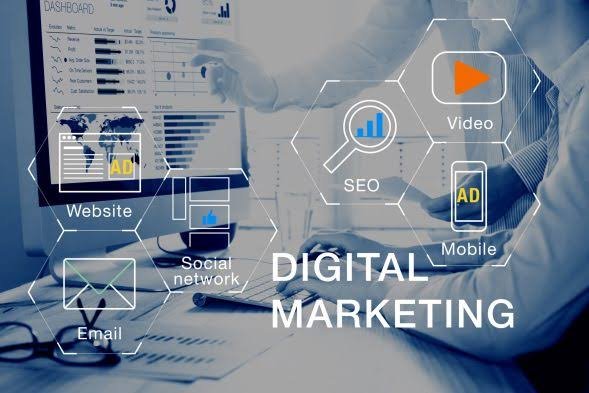
Small businesses are continuing to increase digital advertising investments despite economic uncertainty. Affordable online marketing tools, measurable campaign performance, and growing internet usage across Tier-2 and Tier-3 cities are encouraging businesses to prioritize digital channels for customer acquisition and long-term growth.
The topic is evergreen with current relevance. While digital advertising trends continue to evolve in 2026, the broader shift toward increased digital ad spending by small businesses reflects an ongoing market trend rather than a single breaking news event. The article is therefore written in an explanatory, data-driven style.
India’s small businesses are steadily increasing their digital ad spending even as economic uncertainty continues to influence consumer spending and business planning. Rather than reducing marketing budgets, many small and medium enterprises (SMEs) are allocating more resources to digital platforms because they offer measurable performance, flexible budgeting, and access to targeted customer segments. The growing popularity of social media, search advertising, video platforms, and e-commerce has made digital marketing an essential growth strategy for businesses across urban and semi-urban India.
Unlike traditional advertising, digital campaigns allow businesses to monitor performance in real time, making every marketing rupee more accountable.
Digital Advertising Offers Better Cost Control
One of the biggest reasons behind rising digital advertising investments is cost efficiency. Traditional advertising through television, newspapers, radio, or outdoor media often requires significant upfront spending and offers limited targeting capabilities.
Digital platforms allow businesses to start campaigns with relatively modest budgets while targeting specific audiences based on location, interests, purchasing behavior, language, and demographics. Small businesses can also pause, adjust, or optimize campaigns instantly depending on performance.
This flexibility has become particularly valuable during periods of economic uncertainty when businesses prefer controlled spending rather than committing large amounts to long-term advertising campaigns.
Tier-2 and Tier-3 Markets Are Driving Growth
India’s expanding internet user base has significantly changed how businesses approach marketing. Affordable smartphones, improved mobile connectivity, and digital payment adoption have accelerated online consumer activity in Tier-2 and Tier-3 cities.
Local retailers, restaurants, healthcare providers, educational institutions, real estate companies, automobile dealerships, and service businesses are increasingly using digital advertising to reach nearby customers.
Regional language content has also become an important factor in campaign success. Businesses that advertise in local languages often achieve stronger engagement because customers respond more positively to familiar communication styles.
This growing digital participation outside metropolitan cities has encouraged advertisers to diversify their marketing strategies beyond traditional urban markets.
Performance Marketing Is Becoming the Preferred Strategy
Small businesses are increasingly adopting performance marketing, where advertising budgets are linked to measurable business outcomes rather than simple visibility.
Campaign objectives now include website visits, online purchases, lead generation, app downloads, appointment bookings, and customer inquiries. Marketing platforms provide detailed analytics that help businesses understand which advertisements produce the highest returns.
This data-driven approach allows business owners to calculate customer acquisition costs, conversion rates, and return on advertising spend with greater accuracy. Instead of relying on assumptions, companies can continuously improve campaign performance using real-time insights.
As marketing technology becomes more accessible, even smaller businesses without dedicated marketing teams can manage sophisticated digital campaigns.
Social Media and Search Advertising Continue to Dominate
Social media platforms remain among the most important advertising channels for small businesses because they combine audience engagement with targeted promotions. Businesses use short videos, product demonstrations, customer testimonials, educational content, and live sessions to build relationships with potential customers.
Search advertising also continues to play a critical role by helping businesses reach consumers actively looking for products or services. Local search optimization has become especially important as customers increasingly search online before making purchasing decisions.
Many businesses now combine social media advertising, search engine marketing, email campaigns, messaging platforms, and content marketing to create integrated digital marketing strategies that improve customer acquisition and retention.
Artificial Intelligence Is Improving Advertising Efficiency
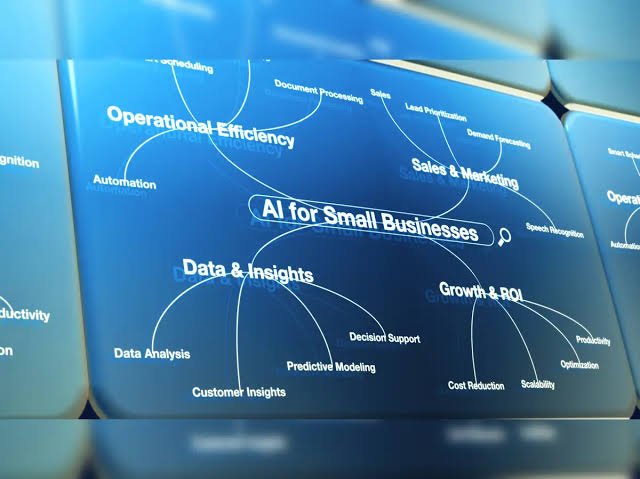
Artificial intelligence is making digital advertising more accessible for small businesses. Advertising platforms now use machine learning to automate audience targeting, optimize campaign budgets, recommend creative improvements, and predict campaign performance.
AI-powered tools also help businesses generate marketing content, analyze customer behavior, schedule advertisements, and improve conversion rates with minimal manual intervention.
These technological improvements reduce operational complexity while enabling businesses to compete more effectively, even with limited marketing resources. As AI capabilities continue to expand, digital advertising is becoming increasingly efficient for businesses of all sizes.
Economic Challenges Continue to Influence Marketing Decisions
Although digital advertising spending is increasing, businesses remain cautious about overall economic conditions. Inflation, changing consumer demand, supply chain disruptions, and rising operational costs continue to influence marketing strategies.
Instead of reducing advertising entirely, many businesses are optimizing their budgets by focusing on campaigns with measurable returns. Investments are increasingly directed toward customer retention, repeat purchases, and highly targeted audience segments rather than broad awareness campaigns.
Marketing experts believe businesses that maintain consistent digital visibility during periods of uncertainty often strengthen customer relationships and improve long-term competitiveness once economic conditions stabilize.
Digital Marketing Will Remain a Long-Term Growth Driver
India’s digital economy continues to expand through increasing internet penetration, digital payments, online commerce, and mobile technology adoption. These developments suggest that digital advertising will remain an essential business investment rather than a temporary marketing trend.
For small businesses, success will depend not only on increasing advertising budgets but also on creating relevant content, understanding customer behavior, using data effectively, and adapting quickly to changing consumer preferences.
As digital tools become more affordable and accessible, businesses across India’s smaller cities are expected to continue investing in online advertising to strengthen brand visibility, acquire customers, and compete in an increasingly digital marketplace.
Key Takeaways
- Small businesses are increasing digital advertising investments despite economic uncertainty.
- Digital marketing provides better targeting, budget flexibility, and measurable campaign performance than many traditional advertising channels.
- Tier-2 and Tier-3 cities are driving significant growth in digital advertising adoption.
- Artificial intelligence and performance marketing tools are helping businesses maximize advertising efficiency and return on investment.
Frequently Asked Questions
Why are small businesses increasing digital advertising despite economic uncertainty?
Digital advertising offers measurable performance, flexible budgets, targeted audience reach, and the ability to optimize campaigns in real time, making marketing investments more efficient.
Which digital advertising channels are most popular among small businesses?
Social media advertising, search engine marketing, video advertising, email marketing, and messaging platforms remain among the most widely used channels.
How does AI help small businesses with digital advertising?
Artificial intelligence assists with audience targeting, campaign optimization, budget allocation, content recommendations, and performance analysis, improving advertising effectiveness.
Why are Tier-2 and Tier-3 cities becoming important for digital advertising?
Growing internet access, smartphone adoption, digital payments, and regional language content consumption have expanded online customer engagement across smaller cities.










Leave a comment