

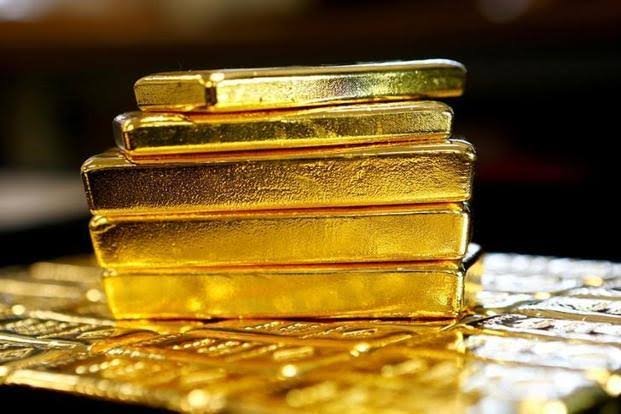
Gold prices fell sharply on September 28 as higher oil prices, rising inflation concerns and expectations of further US Federal Reserve rate hikes pushed Treasury yields and the dollar higher, reducing demand for the non-yielding precious metal.
Gold Prices Fall More Than 2% Globally
Gold prices came under renewed pressure on Monday as financial markets reassessed the outlook for US interest rates. Spot gold fell more than 2%, with higher oil prices adding to concerns that inflation could remain elevated for longer. Reuters reported that the combination strengthened expectations of further Federal Reserve rate hikes, putting pressure on gold.
The decline marks another sharp move in a gold market that has remained highly sensitive to changes in interest-rate expectations throughout 2026.
Gold does not generate interest or dividends. As a result, when government bond yields rise, investors can receive a higher return from yield-bearing assets without taking exposure to gold. This can increase the opportunity cost of holding the metal.
The relationship is not automatic, however. Gold can also attract demand during periods of geopolitical uncertainty, currency weakness or concerns about financial stability.
Rising Oil Prices Add to Inflation Concerns
One of the key factors behind Monday’s gold decline was the renewed increase in crude oil prices.
Higher oil prices can feed into inflation by increasing transportation, manufacturing and energy costs. If inflation remains persistent, central banks may have less room to reduce interest rates and may instead keep monetary policy restrictive for longer.
That possibility is particularly important for gold because markets had been closely watching the Federal Reserve’s interest-rate path.
Reuters reported that rising oil prices heightened inflation concerns and reinforced expectations of additional US rate increases. Those expectations supported the dollar and Treasury yields, creating a less favourable environment for gold.
Global markets were also cautious on Monday as Brent crude moved above $100 a barrel, while investors monitored developments in the Middle East and their potential impact on energy supplies.
Why Treasury Yields Matter for Gold Prices
Treasury yields are among the most important indicators for the global gold market.
US government bonds are widely treated as benchmark assets in international markets. When their yields rise, investors can earn more from holding government debt. Gold, by comparison, does not pay a regular return.
This does not mean investors automatically sell gold whenever yields rise. However, sustained increases in real or nominal yields can make gold relatively less attractive.
The same relationship has appeared several times during 2026. In early September, Reuters reported that gold dropped more than 2% as elevated Treasury yields and a stronger dollar weighed on the precious metal.
Gold also responded sharply in August when longer-term global bond yields fell following a US Treasury announcement. At that time, the dollar weakened and gold jumped more than 3%.
These moves show how closely precious-metal markets are currently tracking bond-market expectations.
Stronger Dollar Creates Another Headwind
The US dollar is another major factor influencing international gold prices.
Gold is generally priced in dollars in global markets. When the dollar strengthens, gold becomes relatively more expensive for buyers using other currencies. That can reduce international demand and place additional pressure on prices.
Recent market movements have reflected this relationship.
Reuters reported earlier in September that gold declined as expectations of further US monetary tightening supported the dollar. On September 21, spot gold fell 0.6% to $4,349.94 per ounce as traders increased expectations of another rate hike.
By September 22, gold had fallen further as markets prepared for a prolonged period of higher interest rates. Reuters reported that spot gold declined 0.4% to $4,325.03 per ounce.
The latest decline therefore follows a broader pattern rather than being an isolated one-day movement.
Indian Gold Prices Also Move Lower
The pressure was visible in India’s domestic gold market on September 28.
NDTV Profit reported that 24-carat gold stood at ₹1,51,470 per 10 grams, while 22-carat gold was priced at ₹1,38,848 per 10 grams. The figures were based on Bullion.co.in data.
Moneycontrol reported that spot gold was down 1.63% to just above $4,215 an ounce during early trading, while US gold futures were down 1.75%. MCX gold futures for October 5 delivery had closed at ₹1,50,700 per 10 grams on the previous session.
Retail rates can vary across Indian cities and jewellery stores because local pricing also reflects taxes, import-related costs, premiums and making charges.
The Indian Express reported a 24-carat gold rate of ₹15,017 per gram and a 22-carat rate of ₹13,765 per gram on September 28, based on GoodReturns data.
What Higher Interest Rates Mean for Indian Buyers
For Indian households, international gold movements do not translate into identical changes in jewellery prices.
Domestic gold prices are influenced by international bullion prices, the rupee-dollar exchange rate, import costs, local market premiums and taxes.
A weaker rupee can partly offset a decline in international gold prices because imported gold becomes more expensive in rupee terms.
Retail jewellery prices also include additional costs. Business Today noted that retail gold purchases in India attract 3% GST on the value of the metal, while jewellery making charges are subject to a separate 5% GST.
This means a fall in the international gold price does not necessarily result in an equivalent reduction in the final amount paid by a jewellery buyer.
Gold Still Has Safe-Haven Demand
Despite the latest decline, gold’s role as a safe-haven asset has not disappeared.
The metal can attract buyers when investors become concerned about geopolitical tensions, financial instability or currency risks. This creates a competing force against the pressure created by higher yields and interest rates.
The current market demonstrates that these forces can operate simultaneously.
Oil prices have risen amid uncertainty surrounding the Middle East, which can normally support demand for defensive assets. At the same time, the resulting inflation concerns have strengthened expectations of tighter monetary policy, which is weighing on gold.
Reuters reported that gold has repeatedly reacted to changes in oil prices, Federal Reserve expectations, the dollar and Treasury yields during the recent period.
The direction of gold will therefore depend on which of these forces becomes stronger.
US Economic Data Could Set the Next Direction
Investors are now likely to focus closely on incoming US economic data.
Strong economic activity combined with persistent inflation could strengthen expectations that the Federal Reserve will keep monetary policy restrictive or raise rates again. That could support the dollar and Treasury yields.
Conversely, evidence of weaker economic activity or a cooling labour market could reduce expectations of additional tightening.
Moneycontrol reported that the next major test for gold would be incoming US economic data, alongside developments in the Gulf that could affect oil prices and inflation expectations.
For Indian consumers and investors, currency movements will also remain important because domestic gold prices depend on both international bullion prices and the rupee’s value against the dollar.
Gold Market Remains Sensitive to Global Rate Expectations
The latest decline shows why gold prices can move sharply even when broader economic conditions have not changed overnight.
The metal is being pulled in different directions. Higher oil prices and inflation are supporting expectations of tighter monetary policy, while geopolitical uncertainty continues to provide some support for safe-haven demand.
For now, the interest-rate and yield story is exerting significant pressure on prices.
The September 28 fall also comes after several weeks of volatile trading. Gold gained more than 2% on September 17 when the dollar weakened and oil prices eased, demonstrating how quickly market expectations can change.
For Indian households, the immediate impact will be seen in daily bullion and jewellery rates. For investors, the larger question is whether the current pressure develops into a longer correction or remains part of the metal’s broader price volatility.
Key Takeaways
- Gold prices fell more than 2% globally on September 28 as expectations of further US rate hikes increased.
- Rising oil prices are raising inflation concerns and supporting expectations of tighter monetary policy.
- Higher Treasury yields and a stronger dollar can reduce the relative appeal of non-yielding gold.
- Indian gold prices also declined, but domestic rates depend on international prices, currency movements, taxes and local market factors.
FAQs
Why are gold prices falling on September 28, 2026?
Gold prices are falling mainly because higher oil prices have increased inflation concerns, strengthening expectations of further US Federal Reserve rate hikes. Higher yields and a stronger dollar are creating additional pressure on the non-yielding metal.
How do US Treasury yields affect gold?
When Treasury yields rise, investors can earn more from interest-bearing government securities. This can increase the opportunity cost of holding gold, which does not pay interest or dividends. Higher yields can therefore weigh on gold demand.
What is today’s gold price in India?
On September 28, NDTV Profit reported 24-carat gold at ₹1,51,470 per 10 grams and 22-carat gold at ₹1,38,848 per 10 grams based on Bullion.co.in data. Rates can vary by city, seller and pricing source.
Can gold prices recover if US interest-rate expectations change?
Gold can respond positively if expectations of further rate increases weaken, particularly if Treasury yields and the dollar decline. However, actual price movements also depend on inflation, geopolitical risks, central-bank demand, currency movements and investor positioning.












Leave a comment