

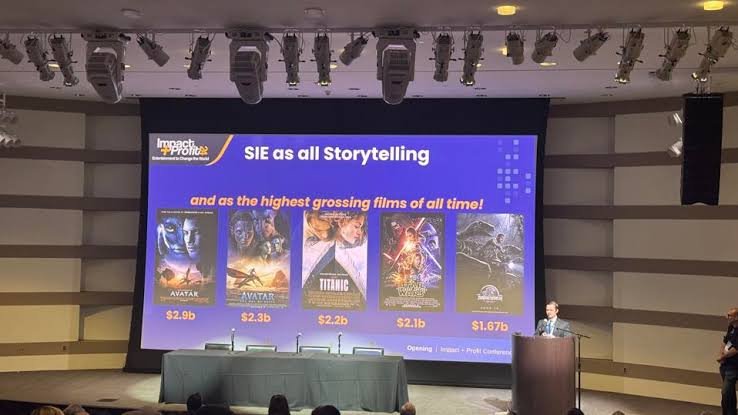
Movies and web series are becoming more than entertainment platforms for advertisers. Across India, brands are moving beyond traditional product placement and increasingly entering scripts, characters, scenes and storylines, turning entertainment content into long-term storytelling assets.
From product placement to brand storytelling
Brand integration in movies and web series is not a new concept in India. For years, companies have placed products inside films, television programmes and reality shows to increase visibility. What is changing is the role the brand plays within the content.
Instead of simply showing a product on a table or having an actor use it briefly, advertisers are increasingly looking for ways to make the brand relevant to the story itself.
Recent industry developments show this shift clearly. Brands are working with OTT platforms, production houses and writers to integrate products and messages into the narrative rather than relying only on conventional advertising breaks. Financial Express reported that brands are increasingly working with scriptwriters to become part of content storylines.
This approach changes the commercial value of entertainment content. A brand is no longer buying only screen visibility. It is trying to become part of a scene, emotion, conversation or cultural moment that audiences remember.
OTT platforms create new opportunities for brands
The growth of OTT has significantly expanded the possibilities for branded entertainment in India.
Unlike traditional television advertising, streaming platforms allow content to be consumed across phones, connected TVs and other devices. Viewers can also discover scenes, clips and characters through social media long after an episode has been released.
This creates multiple opportunities for brands.
A product featured naturally in a web series can appear again in short clips shared on social platforms. A memorable dialogue can become a meme. A character associated with a particular product category can generate discussions beyond the original episode.
The Financial Express reported that OTT platforms and content companies are exploring ways to embed brands directly into entertainment rather than depending entirely on traditional, skippable ad breaks.
For advertisers, this makes the entertainment property itself a distribution channel.
The challenge is maintaining a balance. If viewers feel that the story has been written primarily to sell something, the integration can become counterproductive.
Microdramas are taking brand integration further
One of the clearest developments in India’s branded entertainment market is the rise of microdramas.
These short, episodic stories are designed for mobile-first audiences and can run for only a few minutes or even less. Their format gives brands an opportunity to become involved much earlier in the content creation process.
Exchange4Media reported in August 2026 that advertisers were moving from simple product placement toward participation in microdrama storytelling. Brands such as JK Super Cement and others have experimented with serialised stories where commercial messages are connected to the narrative itself.
This represents an important change in advertising strategy.
Instead of asking where a product can be placed inside an existing programme, brands can help develop a story around a consumer situation that naturally connects with the product.
For example, a home-building story can provide a relevant setting for a cement brand. A financial-services story can explore saving, borrowing or entrepreneurship. A food brand can become part of a family or social setting.
The key is relevance. The product needs a logical reason to exist within the story.
Regional audiences make storytelling even more valuable
India’s entertainment market is not limited to metropolitan audiences. Regional-language content and smaller-city audiences are becoming increasingly important to platforms and advertisers.
For brands targeting Tier-2 and Tier-3 markets, entertainment storytelling can offer a more relatable route than conventional advertising.
A story set in Kanpur, Nagpur, Jaipur, Indore or another smaller city can reflect local lifestyles, family structures, aspirations and consumption habits more naturally than a generic national advertisement.
The JK Super Cement microdrama Tera Ghar Mera Ghar, for example, was set in Kanpur and centred on a young couple dealing with family pressures, finances and the aspiration to build a home. Exchange4Media reported that the series was distributed through ZEE5’s Bullet microdrama app as well as ShareChat, Moj and the brand’s digital channels.
For advertisers, such regional storytelling can create a stronger connection between the product and the everyday experiences of the target audience.
Brands are becoming part of entertainment IP
The bigger opportunity is not limited to a single episode or campaign.
A successful entertainment property can develop into intellectual property, or IP, with characters, recurring formats and multiple seasons. Once that happens, brands can potentially participate across a longer period rather than purchasing one-off advertising placements.
The sixth season of aha’s Chef Mantra Project K provides an example of how a successful non-fiction property can become a platform for multiple commercial partnerships. Exchange4Media reported that the 2026 season had 12 sponsors and more than 20 brand partners across different categories.
This demonstrates why strong entertainment properties are valuable to advertisers.
The programme itself becomes an asset capable of attracting multiple partnerships. At the same time, brands can associate themselves with the show’s audience, format and recurring cultural presence.
This model is different from buying a traditional advertisement because the commercial relationship is connected to the identity of the entertainment property.
The fourth wall is also becoming an advertising tool
Another development is the use of creative formats that deliberately blur the boundary between advertising and entertainment.
In January 2026, Exchange4Media reported on an Alpenliebe Gold integration on Bhabhiji Ghar Par Hain in which characters briefly broke the fourth wall and addressed the audience directly. The campaign was designed to move beyond conventional in-show placement and integrate the brand into the programme’s humour and conversations.
This type of execution works because it acknowledges the presence of advertising while still using the language of entertainment.
Instead of pretending that the commercial message is not there, the format makes the advertising itself part of the experience.
That can be particularly useful for brands trying to create memorable campaigns in an environment where audiences have many ways to skip, ignore or scroll past advertisements.
Why storytelling can improve brand recall
The commercial argument for branded entertainment is relatively straightforward.
Traditional advertisements often compete with hundreds of other messages. A viewer may remember the product category but forget the specific advertisement within days.
Storytelling provides context.
When a brand is associated with a character, emotional moment, conflict or humorous scene, the audience has more information to attach to the brand. The product becomes connected to an experience rather than appearing as an isolated commercial message.
Indian advertising has also increasingly focused on entertainment and humour as ways to improve engagement. Exchange4Media noted in early 2026 that brands were using comedians, actors and creators to make campaigns feel more relatable and shareable.
However, storytelling does not automatically guarantee effectiveness. A poorly integrated product can distract from the story and generate negative reactions.
The strongest campaigns therefore start with the audience and narrative before deciding where the product belongs.
What this means for advertisers and content creators
The rise of branded storytelling is changing the relationship between advertisers, agencies and entertainment companies.
Brands increasingly need creative teams that understand scripts, characters and audience behaviour. Production houses need to understand commercial objectives without allowing sponsorship to weaken the content.
Creators and writers are also gaining a larger role in advertising decisions because they understand how audiences respond to narrative formats.
This creates opportunities for smaller production companies and regional creators as well. A large film studio is not the only organisation capable of creating commercially useful storytelling.
A strong regional series, creator-led show or microdrama can offer brands access to a clearly defined audience without requiring the budgets associated with major films.
The risk of making the story feel like an advertisement
The biggest challenge for branded storytelling is authenticity.
Audiences can usually identify an unnatural product placement. If a character suddenly delivers an advertisement-style dialogue or repeatedly uses a product without a believable reason, the integration can break immersion.
This is especially important for web series, where audiences often develop strong relationships with characters.
Brands therefore need to understand that storytelling does not mean hiding advertising. It means making the commercial message relevant to the narrative.
The product should ideally solve a problem, fit the setting, support the character or contribute to the story.
When that happens, the brand can become part of the entertainment experience rather than an interruption within it.
The future of branded entertainment in India
India’s branded entertainment market is moving toward a model where content and advertising are increasingly planned together.
OTT platforms, microdramas, regional-language content, reality shows and creator-led formats are giving brands more opportunities to build narratives around their products.
The wider media industry is also moving from a focus on reach toward deeper audience engagement, personalisation, original IP and regional relevance. Financial Express reported recently that Indian media companies are increasingly looking at audience intent, technology, original intellectual property and regional-language content as important parts of their next growth phase.
For advertisers, the lesson is clear. A brand does not necessarily need to dominate the screen to become memorable.
Sometimes its strongest position is inside a story that audiences already want to watch.
As entertainment consumption becomes more fragmented across television, OTT platforms, social media and short-form video, brands that can contribute meaningfully to stories may have a stronger chance of earning attention than those relying only on traditional advertising formats.
Key Takeaways
- Indian brands are moving from simple product placement toward deeper integration with entertainment narratives.
- OTT platforms and microdramas are creating new formats for branded storytelling.
- Regional and Tier-2 audiences offer brands opportunities to build stories around familiar local experiences.
- Successful branded entertainment depends on relevance and authenticity, not simply the amount of screen visibility.
FAQs
What is branded storytelling in movies and web series?
Branded storytelling involves integrating a company’s product, service or message into the narrative of entertainment content. Instead of simply displaying a product, the brand becomes connected to characters, situations, dialogue or the wider story.
How is branded storytelling different from product placement?
Traditional product placement usually focuses on showing a product or logo within content. Branded storytelling goes deeper by connecting the brand with the plot, characters or theme of the entertainment property.
Why are OTT platforms important for branded entertainment?
OTT platforms provide advertisers with more flexible content formats and access to audiences across devices. Content can also generate additional visibility through clips, social media conversations and other digital distribution channels.
Are microdramas becoming important for advertisers?
Yes. Industry reporting indicates that brands are increasingly exploring microdramas as a way to participate in storytelling from the script-development stage rather than simply placing products inside finished content.








Leave a comment