


India’s startup funding activity more than doubled week-on-week during the period ending October 16, 2026, with fitness brand Boldfit and electric mobility company GreenCell Mobility among the largest recipients. However, the latest figures also highlight a continuing year-on-year decline in investment.
Boldfit Raises ₹400 Crore to Expand Its Fitness Business
Homegrown sports and fitness brand Boldfit has raised approximately ₹400 crore in a Series B funding round led by Bharat Value Fund, managed by The Wealth Company Alternates, part of the Pantomath Group. Existing investor Bessemer Venture Partners also participated in the round, according to reports published in October 2026.
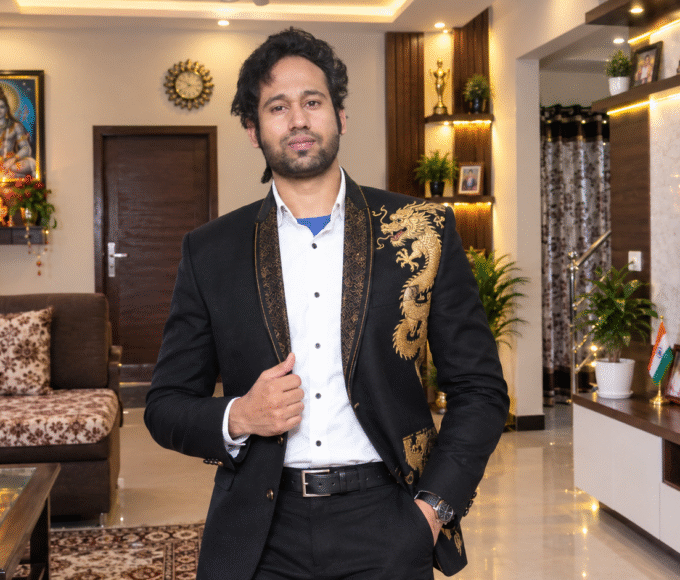
Founded in 2018 by Pallav Bihani, Boldfit sells sportswear, athletic footwear, sports equipment and fitness accessories. The company has built its business around the growing market for fitness products and direct-to-consumer brands in India.
The fresh capital is expected to support the company’s nationwide retail expansion, product development and manufacturing capabilities. Boldfit also plans to explore selective acquisitions to strengthen its position across product categories.
The investment follows an earlier funding round in 2024, when the company raised ₹110 crore from Bessemer Venture Partners. The latest Series B round represents a significant increase in the capital available to the business as it looks to expand beyond its existing distribution channels.
The funding also reflects investor interest in Indian consumer brands that can combine online sales with physical retail and stronger supply chains. However, the long-term impact will depend on the company’s ability to manage costs, maintain product quality and convert expansion into sustainable business growth.
GreenCell Mobility Secures ₹330 Crore for Electric Buses
GreenCell Mobility has raised ₹330 crore in equity funding from Impact Fund Denmark to support its plans to expand electric public transport services across India.
The company, backed by Eversource Capital, intends to deploy approximately 4,500 electric buses over the next six to eight quarters. According to reporting by The Economic Times, the expansion is expected to take its fleet beyond 5,000 buses across 105 cities.
GreenCell operates in the electric mobility sector, where the transition towards lower-emission public transport has created demand for capital-intensive infrastructure. Electric bus operators need funding not only for vehicles but also for charging arrangements, fleet management, maintenance and operational capacity.
The latest investment gives GreenCell additional equity capital to pursue its expansion plans. Unlike a consumer brand such as Boldfit, whose growth depends heavily on product sales and distribution, GreenCell’s business involves large-scale transport operations and long-term deployment requirements.
The investment also highlights the role of international investors in India’s electric mobility market. Impact Fund Denmark’s participation connects overseas development-oriented capital with India’s efforts to expand electric public transport.
The final pace of deployment will depend on operational readiness, contract execution, charging infrastructure and the company’s ability to manage the economics of running a larger fleet.
Indian Startup Funding Reaches $231.5 Million in One Week
The two transactions formed part of a broader period of funding activity across India’s startup ecosystem.
According to The Economic Times’ ETtech Deals Digest, which cited data from Tracxn, Indian technology and startup companies raised approximately $231.5 million across 26 funding rounds during the week ending October 16, 2026.
The weekly total more than doubled the previous week’s figure. Yet the comparison with the same period in 2025 showed a different picture: funding was down 45.3% year-on-year.
This contrast is important for understanding the current investment environment. A rise in weekly funding does not necessarily indicate a broad recovery, particularly when a small number of large transactions account for a substantial share of the total.
Boldfit and GreenCell Mobility were among the leading deals during the period. Other sizeable transactions included funding for Inner Sky Labs and Scimplify, according to the same report.
For founders and investors, the numbers suggest that capital remains available, but funding totals can fluctuate significantly depending on the timing and size of individual deals. A single large transaction can lift a week’s aggregate without necessarily improving fundraising conditions across every sector.
Why Investors Are Backing Different Business Models
The Boldfit and GreenCell Mobility investments illustrate two different areas of opportunity in the Indian economy.
Boldfit operates in the consumer market. Its growth depends on understanding customer demand, developing products, building brand recognition and making products available through online and offline channels. The new funding could help it expand its retail footprint and strengthen manufacturing, potentially giving it greater control over product development and supply.
GreenCell, by comparison, operates in an infrastructure-intensive sector. Electric bus deployment requires substantial upfront investment, reliable operations and coordination with transport systems. Expansion is closely connected to the practical requirements of public transport contracts and the availability of supporting infrastructure.
Despite these differences, both companies need capital to scale. Investors typically assess whether additional funding can help a company increase revenue, improve operational efficiency, strengthen its market position or reach new customers.
Funding announcements alone do not establish whether an investment will generate the expected returns. The outcome depends on execution, financial performance and changing market conditions.
What the Funding Trend Means for Smaller Indian Cities
The developments are relevant beyond India’s largest startup centres because both business models have potential connections with smaller cities.
For consumer brands such as Boldfit, expanding physical retail can create opportunities to reach customers who may not rely exclusively on online shopping. Demand for sportswear, exercise equipment and fitness accessories can also vary across regions, making local distribution and pricing important considerations.
For electric mobility companies, expansion into additional cities could support the adoption of electric buses in public transport networks. However, the actual benefits will depend on the cities covered, the contracts secured and the successful deployment of vehicles and supporting infrastructure.
Smaller cities also have their own startup funding challenges. Entrepreneurs may find it harder to access established investor networks, experienced mentors and specialist professional services than founders based in major technology hubs.
Large funding rounds can draw attention to emerging sectors, but they do not automatically translate into more investment for smaller businesses. Improving access to capital will require strong business models, transparent financial reporting and better connections between regional founders and investors.
What Startups Should Learn From These Deals
The latest transactions offer several lessons for founders preparing to raise capital.
First, a clear use of funds matters. Boldfit has identified retail expansion, manufacturing and product development as priorities, while GreenCell is raising capital to support electric bus deployment. Specific growth plans help explain why additional investment is required.
Second, businesses should understand their capital requirements before approaching investors. A consumer company expanding distribution has different financial needs from an electric mobility operator financing a large fleet.
Third, founders should distinguish between raising money and building a sustainable business. Funding can provide resources for growth, but it also creates expectations around execution, financial discipline and measurable progress.
Finally, weekly funding data should be interpreted carefully. The increase to $231.5 million demonstrates that substantial deals continue to take place, while the year-on-year decline shows that investment activity remains uneven.
For Indian startups, the challenge is not simply to secure capital. It is to use that capital to build businesses capable of growing consistently and responding to changing market conditions.
Key Takeaways
- Boldfit raised approximately ₹400 crore in Series B funding led by Bharat Value Fund, with participation from existing investor Bessemer Venture Partners.
- GreenCell Mobility secured ₹330 crore from Impact Fund Denmark to support its electric bus expansion plans.
- Indian startup funding reached $231.5 million across 26 rounds in the week ending October 16, 2026, according to Tracxn data reported by The Economic Times.
- Weekly funding more than doubled from the previous week but remained 45.3% lower year-on-year, indicating that the broader investment environment remains uneven.
Frequently Asked Questions
1. How much funding did Boldfit raise in October 2026?
Boldfit raised approximately ₹400 crore in a Series B funding round led by Bharat Value Fund, managed by The Wealth Company Alternates. Existing investor Bessemer Venture Partners also participated.
2. Who invested in GreenCell Mobility?
GreenCell Mobility raised ₹330 crore in equity funding from Impact Fund Denmark. The capital is intended to support the company’s plans to expand its electric bus fleet across India.
3. How much did Indian startups raise during the week ending October 16, 2026?
Indian technology and startup companies raised approximately $231.5 million across 26 funding rounds during the week, according to Tracxn data cited by The Economic Times.
4. Does higher weekly startup funding mean India’s funding market has recovered?
Not necessarily. Although the weekly total more than doubled compared with the previous week, it was still 45.3% lower than the corresponding period a year earlier. Weekly totals can also be influenced by a few large transactions.











Leave a comment