

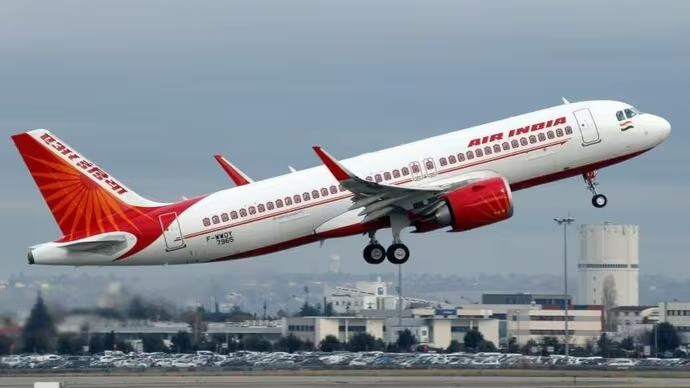
Air India has increased its fuel surcharge on domestic flights from March 12 as aviation turbine fuel prices continue to fluctuate. The move could affect ticket prices, especially on short-haul and regional routes that connect Tier-2 and Tier-3 cities.
Air India fuel surcharge has been increased for domestic flights starting March 12, a move that reflects the continuing pressure of aviation turbine fuel prices on airline operating costs. The change affects ticket pricing across several domestic routes and may particularly impact passengers flying between regional cities.
Why Air India Increased the Fuel Surcharge
Airlines globally adjust fuel surcharges when aviation turbine fuel prices move significantly. Fuel is typically the largest operating expense for airlines, often accounting for 30 to 40 percent of total costs.
In India, aviation turbine fuel prices are revised frequently and vary across airports depending on local taxes. When fuel costs increase, airlines often adjust ticket components such as fuel surcharges instead of directly raising the base fare.
Air India has revised its surcharge structure for domestic routes beginning March 12. The surcharge component is applied depending on the flight distance and route category. Short haul routes usually have lower surcharges while longer domestic routes carry higher charges.
Industry analysts note that surcharge adjustments allow airlines to respond quickly to cost pressures without restructuring their entire fare system.
Impact on Domestic Ticket Prices
The fuel surcharge is one of several components in an airline ticket. Other components include the base fare, airport fees, user development fees and government taxes.
With the updated surcharge, domestic passengers may notice a modest increase in total ticket prices depending on route distance and booking class. For example, flights connecting major metros to Tier 2 cities could see a noticeable change in the final ticket price.
Budget conscious travellers who frequently fly between cities such as Nagpur, Indore, Coimbatore or Lucknow could feel the effect more strongly because regional routes generally have tighter fare margins.
However, airline pricing remains dynamic. Promotional fares, early bookings and airline competition can still reduce the impact of a surcharge increase.
Regional Routes Could See Greater Sensitivity
Regional air connectivity has expanded rapidly in India over the last decade due to government initiatives and airline network expansion. Routes connecting Tier 2 and Tier 3 cities now account for a significant share of domestic passenger growth.
Fuel costs tend to affect these routes differently from metro routes. Aircraft used on regional sectors often have lower seat capacity, which means fuel expenses are distributed across fewer passengers.
As a result, airlines must manage operating costs carefully to maintain profitability on regional flights. A fuel surcharge helps offset cost volatility while allowing airlines to keep routes operational.
For travellers, the practical implication is that ticket prices on certain regional sectors may fluctuate more frequently when fuel prices change.
Aviation Fuel Prices and Airline Economics
India has one of the highest aviation turbine fuel cost structures in Asia due to taxes imposed by state governments. Fuel prices also vary from airport to airport because state level taxes differ.
Airlines operating large domestic networks must factor these cost variations into their pricing models. When global crude prices rise or local taxes increase, aviation turbine fuel becomes more expensive and operating margins shrink.
Fuel surcharge adjustments are therefore a common practice across airlines worldwide. They help carriers balance operating costs while continuing to operate extensive route networks.
In India’s competitive aviation market, airlines also need to remain price sensitive. Excessive fare increases can reduce demand, especially on leisure and price sensitive routes.
What Passengers Should Expect Next
For passengers, the immediate effect of the revised fuel surcharge will be visible while booking tickets online or through travel portals. The surcharge will appear as a separate component within the fare breakdown.
Travel experts suggest that passengers booking tickets early or using fare alerts can still find competitive pricing despite surcharge adjustments.
Air India continues to expand its domestic network and improve fleet capacity as part of its broader transformation strategy under the Tata Group. The airline is also investing heavily in aircraft upgrades and customer experience improvements.
As aviation fuel prices stabilize or change, airlines may again revise the surcharge component depending on market conditions.
Key Takeaways
• Air India increased its domestic fuel surcharge starting March 12 due to aviation fuel price fluctuations
• The surcharge affects the overall ticket price depending on flight distance and route category
• Regional routes connecting Tier 2 and Tier 3 cities may experience more noticeable fare changes
• Airlines use fuel surcharges to manage operating costs without restructuring base fares
FAQ
Why do airlines charge a fuel surcharge?
Fuel surcharges help airlines offset fluctuations in aviation turbine fuel prices, which represent one of the largest operational expenses for carriers.
Will all domestic flights become more expensive?
Not necessarily. Ticket prices depend on several factors including demand, route competition, booking timing and promotional fares.
Which passengers are most affected by the surcharge increase?
Passengers on regional or shorter routes may notice the change more clearly because these routes often operate with tighter pricing margins.
Can the fuel surcharge decrease in the future?
Yes. Airlines may reduce or adjust fuel surcharges if aviation turbine fuel prices fall or operating conditions improve.











Leave a comment