

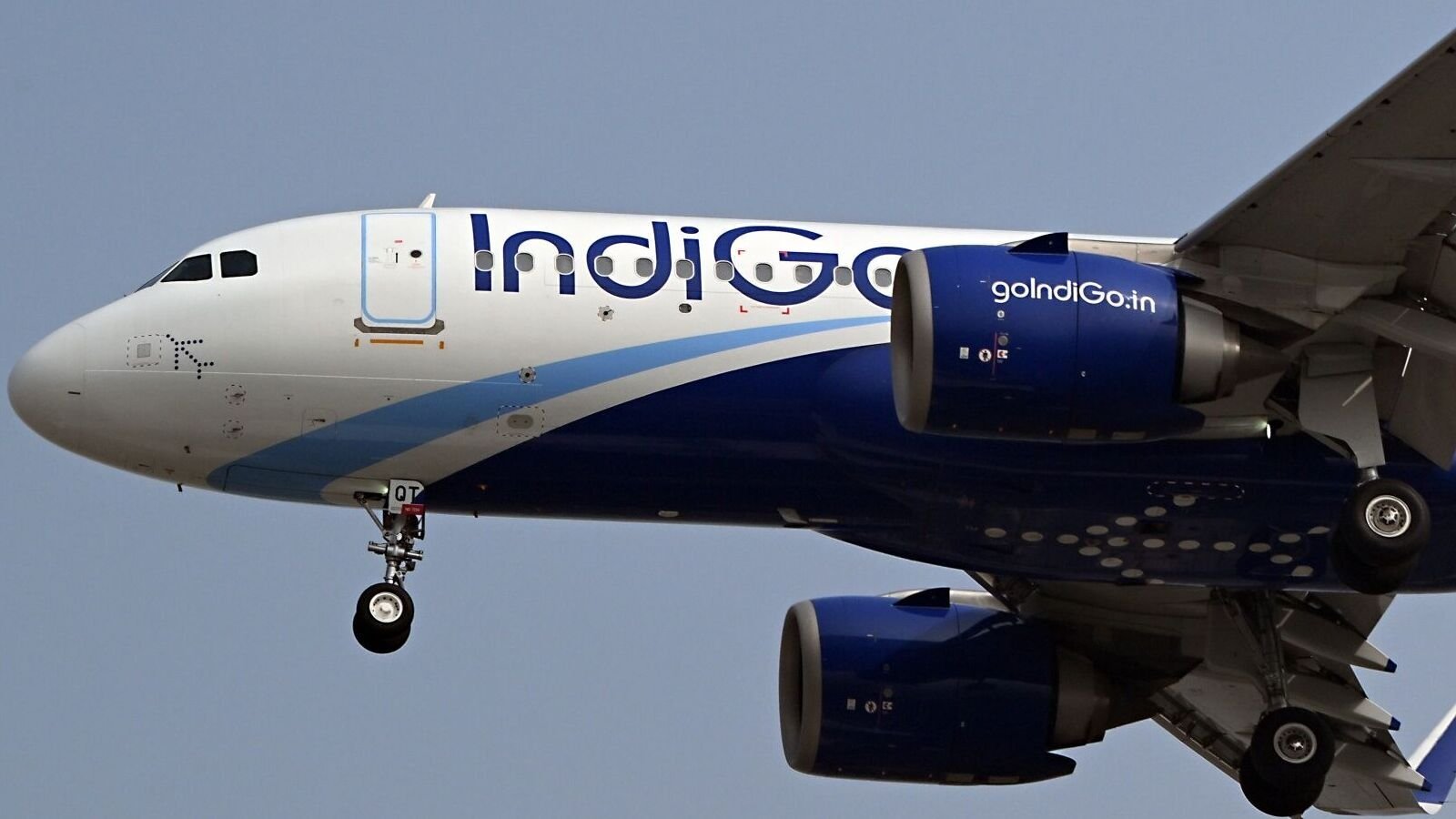
India’s aviation sector is witnessing a leadership reset as major airlines undergo top-level changes. The recent developments at IndiGo and Air India signal a strategic shift in management priorities, operational focus, and long-term growth planning.
The airline leadership changes at IndiGo and Air India come at a critical time when India’s aviation market is expanding rapidly but also facing cost pressures and global uncertainties. These transitions are not isolated events but reflect broader structural changes in the industry.
Why Leadership Changes at IndiGo and Air India Matter
Leadership transitions in aviation are closely tied to business strategy, operational efficiency, and investor confidence. IndiGo, India’s largest airline by market share, has seen senior-level shifts as it continues to expand its international footprint.
Air India, under the Tata Group, is undergoing a transformation journey that includes fleet expansion, brand repositioning, and service upgrades. Leadership changes here are part of a larger restructuring effort aimed at making the airline globally competitive.
Secondary keyword focus: IndiGo management changes, Air India restructuring
Such changes often indicate a shift in priorities, whether it is cost control, customer experience, or international expansion. For stakeholders, leadership signals provide insight into the future direction of these airlines.
IndiGo’s Strategic Reset and Leadership Realignment
IndiGo has built its success on a low-cost model with strong operational discipline. However, as the airline scales internationally and adds new aircraft types, leadership roles are evolving to match the complexity of operations.
Recent leadership movements reflect a focus on strengthening network planning, revenue management, and customer experience. IndiGo is also investing in long-haul capabilities, which requires a different strategic approach compared to its traditional short-haul model.
Secondary keyword focus: IndiGo expansion plans, Indian aviation growth
The airline’s ability to maintain cost efficiency while expanding globally will depend heavily on its leadership execution. This makes current changes particularly significant.
Air India’s Transformation Under Tata Group Leadership
Air India’s leadership changes are part of a broader turnaround strategy initiated after its acquisition by the Tata Group. The airline is investing in fleet modernization, technology upgrades, and service improvements.
Leadership restructuring is aimed at aligning the organization with global aviation standards. This includes bringing in experienced professionals, redefining operational roles, and improving decision-making processes.
Secondary keyword focus: Air India Tata Group strategy, airline turnaround India
The airline is also focusing on rebuilding its brand image, which had suffered over years of operational inefficiencies. Leadership plays a central role in driving this cultural and operational transformation.
Industry-Wide Impact of Aviation Leadership Changes
The leadership shake-up is not limited to individual airlines. It reflects a broader trend in India’s aviation industry where companies are adapting to changing market conditions.
Rising fuel costs, competitive pricing, and increasing passenger demand are forcing airlines to rethink strategies. Leadership changes often act as catalysts for these shifts.
Secondary keyword focus: Indian aviation industry trends, airline competition India
For passengers, these changes could translate into better services, improved connectivity, and more competitive pricing. For investors, they signal how airlines are positioning themselves for future growth.
Challenges Facing the Aviation Sector in 2026
Despite strong demand, the aviation sector faces several challenges. Fuel prices remain volatile, impacting operating costs significantly. Currency fluctuations also affect leasing and maintenance expenses.
Airlines must balance expansion with profitability, which is not easy in a price-sensitive market like India. Leadership teams are expected to navigate these complexities while maintaining growth momentum.
Secondary keyword focus: aviation challenges India, airline cost pressures
Additionally, infrastructure constraints at major airports continue to pose operational challenges. Efficient management is critical to overcoming these hurdles.
What This Means for Investors and Consumers
For investors, leadership changes offer clues about future performance and strategic direction. Strong leadership can improve operational efficiency and financial outcomes over time.
For consumers, the focus is likely to be on better service quality, more routes, and competitive fares. As airlines compete more aggressively, customer experience becomes a key differentiator.
Secondary keyword focus: airline investment outlook India, aviation sector growth
Overall, the leadership shake-up signals a transition phase for India’s aviation industry, where growth opportunities are high but execution remains crucial.
Key Takeaways
- Leadership changes at IndiGo and Air India reflect strategic realignment
- Air India is undergoing a major transformation under Tata Group ownership
- IndiGo is expanding globally and adapting its leadership structure
- The aviation sector faces cost pressures but strong growth potential
FAQ Section
Q1. Why are airlines changing leadership now
Airlines are adapting to expansion, competition, and operational challenges, which require new strategic direction.
Q2. How does this affect passengers
Passengers may see improved services, better connectivity, and competitive pricing as airlines evolve.
Q3. Is Air India improving under Tata Group
Yes, Air India is undergoing significant restructuring focused on modernization and service quality.
Q4. What does this mean for investors
Leadership changes indicate future strategy and can influence long-term performance of airline stocks.







Leave a comment