

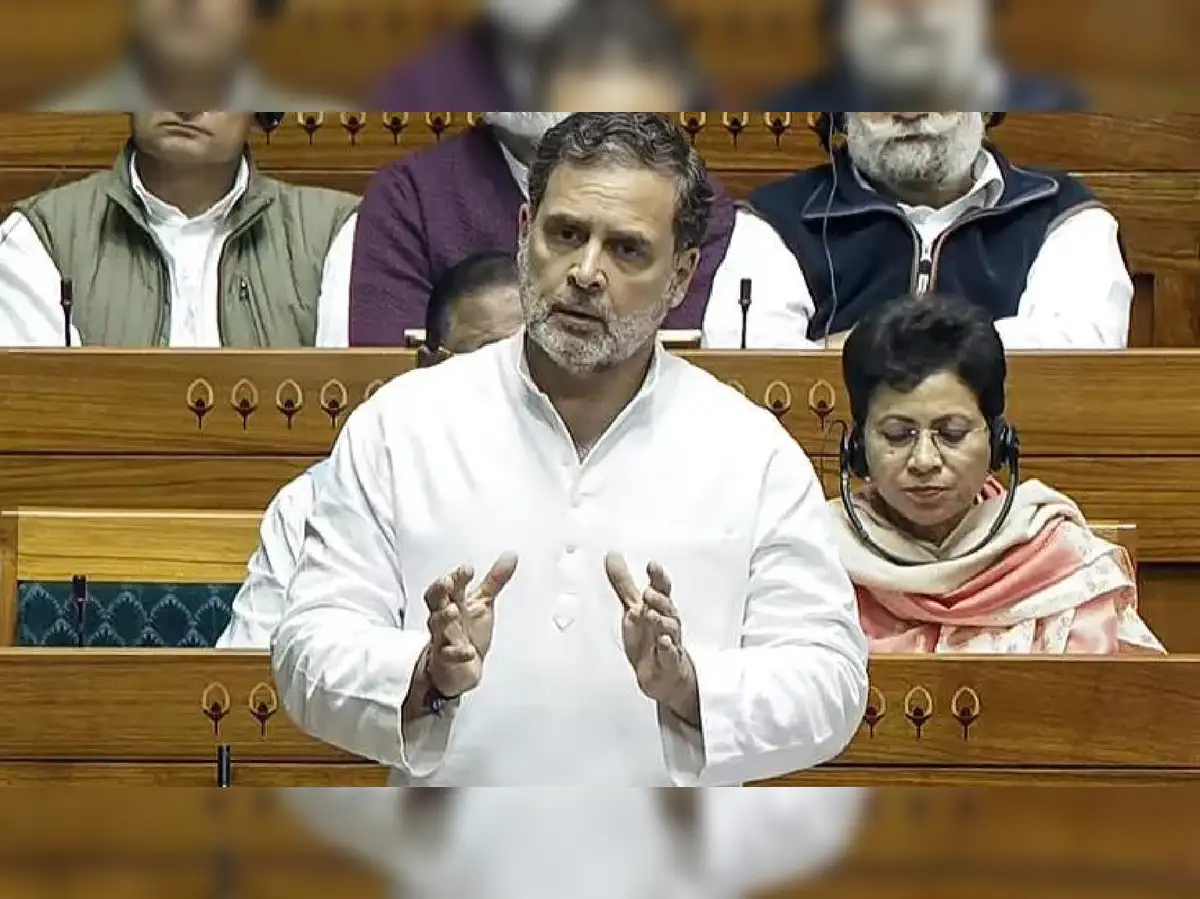
The BJP opposition corporate monopoly narrative has intensified in recent political discourse, raising questions about market concentration and its effect on small businesses. For MSMEs, the debate matters because policy direction influences competition, access to credit, procurement opportunities, and long-term survival.
The BJP opposition corporate monopoly narrative is a time-sensitive political and economic issue shaping how businesses interpret future policy signals. As national parties trade charges over market concentration and favoritism, MSMEs are assessing whether the debate will translate into regulatory shifts or remain largely rhetorical. For India’s small and mid-sized enterprises, outcomes matter less in speeches and more in procurement rules, credit flow, and enforcement practices.
Understanding the corporate monopoly narrative in Indian politics
The opposition has sharpened its critique around alleged corporate monopolies, arguing that market power is increasingly concentrated among a few large business groups. The BJP has countered this by emphasising economic growth, infrastructure expansion, and scale-driven competitiveness as necessary for a developing economy.
For MSMEs, this narrative is not abstract. Market concentration can influence pricing power, supplier terms, and access to distribution channels. At the same time, large corporate-led projects often create downstream opportunities for smaller vendors. The political framing therefore creates uncertainty around whether policy will tilt towards stricter competition oversight or continued support for scale-led growth.
How policy signals affect MSME confidence
MSME confidence is highly sensitive to policy clarity. When political debate centres on monopolies, smaller firms watch for signals on competition law enforcement, public procurement norms, and sector-specific caps. Uncertainty can delay investment decisions, especially for enterprises operating on thin margins.
In recent years, MSMEs have relied on predictable government schemes, digital compliance systems, and public sector procurement to stabilise operations. Any indication that rules may change abruptly in response to political pressure raises caution. Businesses prefer gradual reform over reactive policy swings driven by electoral narratives.
Competition, procurement, and market access
One of the biggest implications of the corporate monopoly debate lies in public procurement. MSMEs depend heavily on government and PSU orders for steady revenue. If the narrative results in tighter scrutiny of large contracts or a push for wider vendor participation, smaller firms could benefit.
However, if large corporations respond by tightening supplier lists or negotiating harder terms to protect margins, MSMEs may face increased pressure. The balance between encouraging competition and maintaining efficient project execution will determine whether policy outcomes favour small enterprises or inadvertently squeeze them.
Credit access and financial ecosystem impact
Credit flow remains a structural challenge for MSMEs. Political discourse around monopolies can influence how banks and NBFCs assess risk and allocate capital. Large corporates often enjoy lower borrowing costs due to scale and balance sheet strength, while MSMEs depend on targeted credit schemes and guarantees.
If policymakers respond to monopoly concerns by strengthening MSME lending frameworks and enforcement of payment timelines, it could improve liquidity for smaller firms. On the other hand, if uncertainty rises, lenders may become more conservative, limiting credit expansion at a time when MSMEs need stability.
Sector-specific implications for MSMEs
The impact of the BJP opposition corporate monopoly narrative varies by sector. In manufacturing, MSMEs often act as ancillary suppliers to large firms, making them sensitive to changes in procurement behaviour. In retail and digital commerce, smaller sellers watch closely for competition rules that affect platform dominance and commission structures.
Service sector MSMEs, including logistics, IT services, and marketing firms, are more insulated but still influenced by corporate spending cycles. Any slowdown in large corporate investment due to regulatory uncertainty can cascade down to service providers.
Political debate versus on-ground execution
Historically, political narratives around corporate concentration have not always translated into sweeping policy changes. Regulatory institutions, competition authorities, and courts play a moderating role. For MSMEs, the key variable is execution rather than intent.
Businesses are therefore focusing on measurable indicators such as tender participation rules, enforcement of delayed payment penalties, and access to digital marketplaces. These practical factors outweigh ideological debates when it comes to day-to-day operations.
What MSMEs should watch going forward
As the debate continues, MSMEs should track budget announcements, competition authority actions, and procurement reforms rather than political statements alone. Engagement with industry bodies and chambers can help amplify MSME concerns and influence policy consultations.
Diversifying client bases, strengthening compliance, and improving cost efficiency remain essential regardless of political outcomes. MSMEs that adapt to both scale-led and competition-driven environments are better positioned to manage uncertainty.
Takeaways
The corporate monopoly debate creates policy uncertainty for MSMEs
Procurement rules and credit access are the most sensitive impact areas
Sector-wise effects vary, with manufacturing and retail most exposed
Execution of reforms matters more than political rhetoric
FAQs
Why does the corporate monopoly narrative matter to MSMEs?
It influences competition policy, procurement norms, and credit flow, all of which directly affect MSME operations and growth.
Will this debate lead to immediate policy changes?
Immediate changes are unlikely. Any impact will depend on regulatory actions and budget decisions rather than political statements.
Which MSMEs are most affected by this narrative?
Manufacturing suppliers, retail sellers, and platform-dependent businesses face the highest exposure to changes in competition dynamics.
How can MSMEs prepare amid this uncertainty?
They should diversify customers, maintain compliance readiness, and stay engaged with industry associations to track policy developments.











Leave a comment