

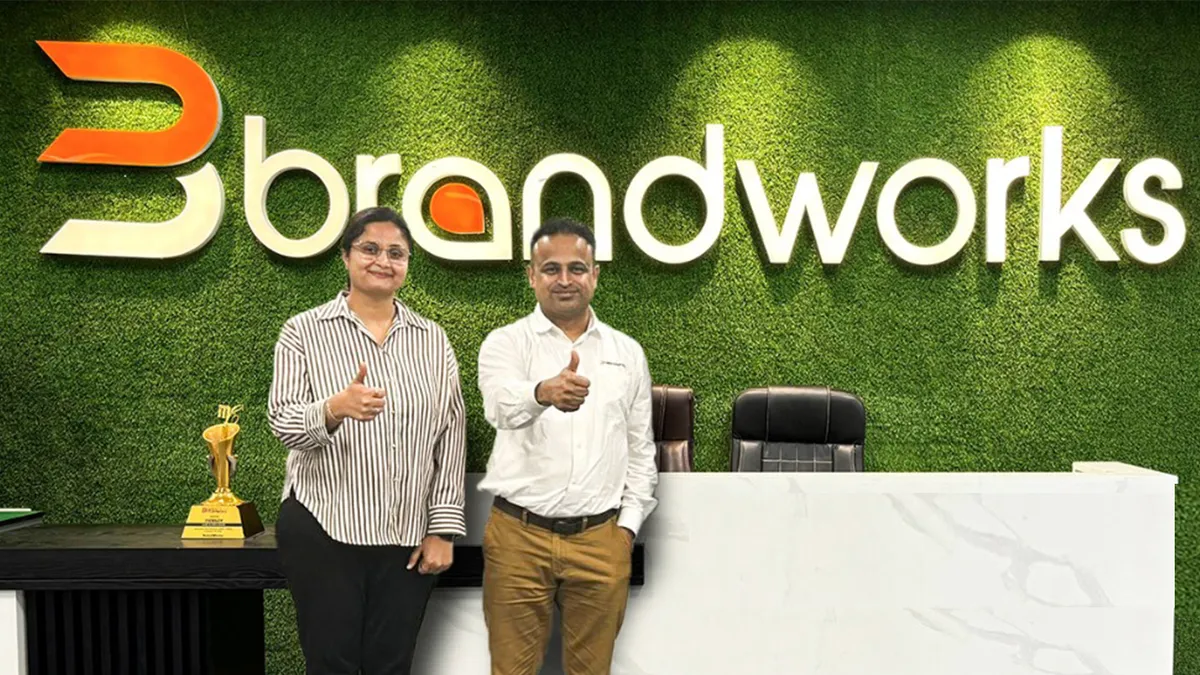
Brandworks Technologies has secured US $4 million in funding to scale AI and IoT-driven manufacturing. This investment signals growth opportunities for Tier-2 industrial hubs in India, fostering technological adoption, job creation, and modernization in regional manufacturing ecosystems.
Funding Boost and Company Vision
Brandworks Technologies recently closed a US $4 million funding round aimed at expanding its AI and IoT manufacturing capabilities. The company focuses on integrating smart technology with traditional production systems, enabling predictive maintenance, process automation, and real-time monitoring. For Tier-2 cities, where industrial growth is emerging, such investments can transform local manufacturing clusters, attract skilled talent, and encourage regional economic development. The funding round also underscores investor confidence in technology-driven solutions for smaller industrial hubs.
Impact on Tier-2 Industrial Hubs
Tier-2 cities in India often struggle with outdated manufacturing processes and limited access to cutting-edge technology. Brandworks’ expansion brings the potential for modernization in these regions. AI-enabled production lines can optimize efficiency, reduce waste, and lower operational costs. IoT solutions provide real-time visibility into machinery and supply chains, enhancing productivity. As smaller cities adopt these innovations, they may become competitive alternatives to traditional industrial centers, attracting ancillary businesses and suppliers to support the ecosystem.
Technological Advancements in Manufacturing
The funding will allow Brandworks to accelerate the development and deployment of AI algorithms and IoT-enabled devices tailored for manufacturing operations. Predictive maintenance tools can anticipate equipment failures, preventing costly downtime. IoT sensors enable data-driven insights for inventory management and quality control. By integrating technology into production lines, regional manufacturers can increase output, reduce energy consumption, and maintain consistent quality standards. This shift not only benefits the company but also establishes a model for other firms in Tier-2 hubs to adopt smart manufacturing practices.
Economic and Employment Implications
Expansion of AI and IoT manufacturing has broader implications for regional economies. As Brandworks sets up facilities in smaller cities, local employment opportunities will grow, particularly for engineers, technicians, and data analysts. Additionally, the adoption of advanced manufacturing technologies can attract suppliers and service providers to the region, creating a multiplier effect on local economies. The initiative also encourages skill development, as workforce training programs may be introduced to ensure employees can operate sophisticated equipment and software.
Challenges and Strategic Considerations
Despite its growth potential, technology-driven manufacturing in Tier-2 hubs faces challenges. Infrastructure limitations, supply chain constraints, and talent shortages could slow adoption. Brandworks will need to navigate these issues carefully, balancing investment in facilities with workforce development and partnerships. Policymakers and local industrial associations can play a role by offering incentives, training programs, and supporting infrastructure to ensure smooth implementation. Strategic collaboration between investors, industry, and local governments is essential for long-term success.
Takeaways
- Brandworks Technologies raises US $4 million to expand AI and IoT manufacturing.
- Tier-2 industrial hubs stand to benefit from modernization and technology adoption.
- Local employment and economic activity are expected to increase.
- Strategic planning is needed to address infrastructure, talent, and supply chain challenges.
FAQs
Q1: What is the purpose of Brandworks’ recent funding?
A1: The US $4 million funding is intended to scale AI and IoT-driven manufacturing capabilities in regional hubs.
Q2: How will Tier-2 cities benefit from this expansion?
A2: Modern manufacturing technology can increase productivity, create jobs, and attract investment to smaller industrial centers.
Q3: What technologies are being implemented in manufacturing?
A3: Predictive maintenance, IoT sensors for real-time monitoring, AI-driven process optimization, and smart inventory management.
Q4: What challenges could affect the project?
A4: Infrastructure limitations, supply chain constraints, and workforce skill gaps may impact adoption, requiring careful planning and partnerships.











Leave a comment