

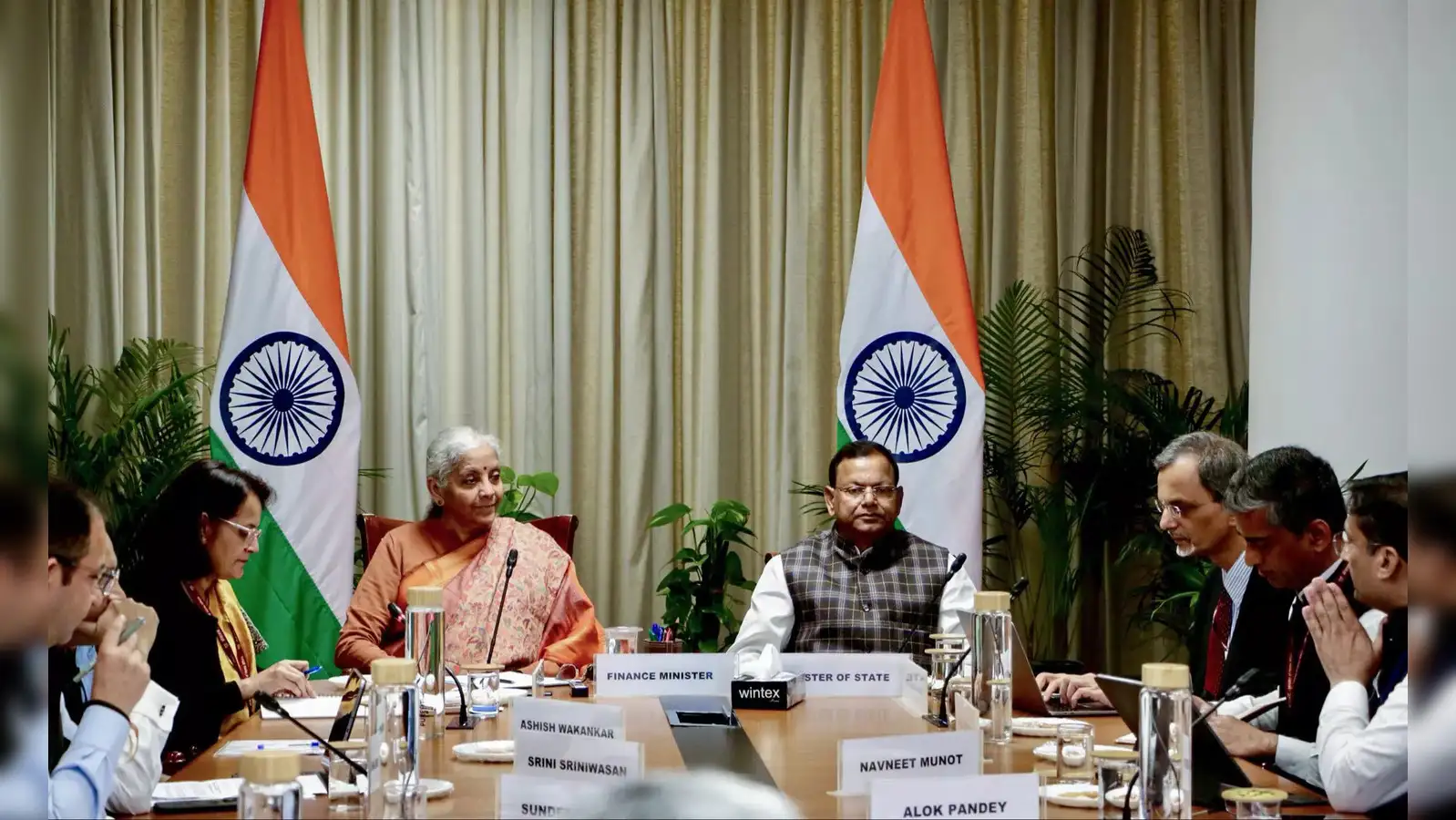
The Budget 2026 preview is drawing strong attention from businesses and investors as expectations build around corporate tax continuity, MSME support measures, and targeted startup incentives. With economic momentum steady but uneven, policy signals in this budget will shape investment and hiring decisions through the year.
Budget 2026 Signals and Policy Context
Budget 2026 is a time sensitive policy event and the tone is expected to be pragmatic rather than expansionary. The government enters this budget cycle balancing fiscal discipline with the need to sustain growth. Tax collections have remained stable, giving policymakers some room to fine tune incentives without major revenue risks.
The first paragraph of the budget speech is likely to reinforce continuity. Markets are not pricing in dramatic tax cuts or sweeping reforms. Instead, the focus is on predictability, targeted relief, and execution. For corporate India, MSMEs, and startups, clarity matters more than headline announcements.
Corporate Tax Outlook and Capital Investment
Corporate tax policy remains one of the most watched elements of Budget 2026. Analysts expect the existing corporate tax structure to remain unchanged, especially the concessional regime for new manufacturing units. Any rollback would risk undermining long term investor confidence.
Instead, the emphasis is likely to be on investment-linked incentives. Accelerated depreciation for specific sectors, rationalisation of compliance for large enterprises, and clarity on tax treatment for mergers and demergers are areas under discussion. These measures support capital expenditure without creating recurring fiscal burdens.
Large corporates are also watching for signals on sector-specific incentives tied to manufacturing, energy transition, and infrastructure. Even modest policy nudges can unlock delayed investment pipelines.
MSME Support Measures Under the Spotlight
MSME support is expected to be a central pillar of Budget 2026. Small businesses continue to face challenges related to credit access, working capital cycles, and compliance costs. Policymakers are aware that MSMEs play a critical role in employment and regional economic stability.
Budget watchers expect enhancements to credit guarantee schemes and potential interest subvention extensions for priority segments. Simplification of GST compliance for smaller enterprises is also a recurring demand, especially for businesses operating across state borders.
Another area to watch is public procurement. Expanding MSME participation in government contracts and faster payment cycles can improve cash flow without large fiscal outlays. Such measures often have immediate on-ground impact compared to headline subsidies.
Startup Incentives and Innovation Push
Startup incentives in Budget 2026 are expected to focus on quality rather than quantity. The ecosystem has matured, and the policy lens is shifting from valuation driven growth to sustainable innovation. Tax incentives for recognised startups may see extensions, particularly related to capital gains exemptions and loss carry forward provisions.
Funding access remains a concern for early stage startups. Policymakers may strengthen fund of funds mechanisms or introduce co-investment structures to crowd in private capital. These tools are more efficient than direct grants and help align market discipline with policy objectives.
Startups operating in deeptech, climate technology, and manufacturing-linked innovation are likely to benefit from targeted schemes. The aim is to link startup growth with national priorities rather than broad based incentives.
Fiscal Discipline and Spending Priorities
Budget 2026 is expected to maintain a steady path of fiscal consolidation. Analysts do not anticipate sharp increases in deficit targets. Instead, spending will be prioritised towards infrastructure, logistics, and social capital that supports productivity.
For businesses, this matters because public capex has a multiplier effect. Infrastructure spending improves demand visibility for sectors ranging from cement and steel to logistics and financial services. Stable fiscal management also supports macro stability, which is a key factor for both domestic and foreign investors.
The government is likely to rely on expenditure quality rather than headline spending expansion to drive growth.
What Markets and Businesses Are Watching
Equity markets are expected to respond more to policy clarity than generosity. Continuity in corporate tax, credible MSME support, and focused startup incentives would reinforce confidence. Sudden changes or ambiguous provisions could increase volatility.
Businesses are also watching for simplification. Reducing procedural friction often delivers more value than new schemes. Budget 2026 will be judged not just by announcements but by how easily policies translate into execution.
Takeaways
- Corporate tax continuity is likely, with focus on investment incentives
- MSME support may centre on credit access and compliance simplification
- Startup incentives are expected to be targeted and innovation-led
- Fiscal discipline will shape the overall budget stance
FAQs
Will corporate tax rates change in Budget 2026?
Major changes are unlikely. The focus is expected to remain on stability and investment-linked incentives.
How could MSMEs benefit from Budget 2026?
Through improved credit guarantees, simplified compliance, and better access to government procurement.
Are startups likely to get new tax benefits?
Extensions of existing benefits and targeted support for priority sectors are more likely than broad new exemptions.
How important is fiscal discipline in this budget?
It is critical for maintaining macro stability and sustaining investor confidence.












Leave a comment