

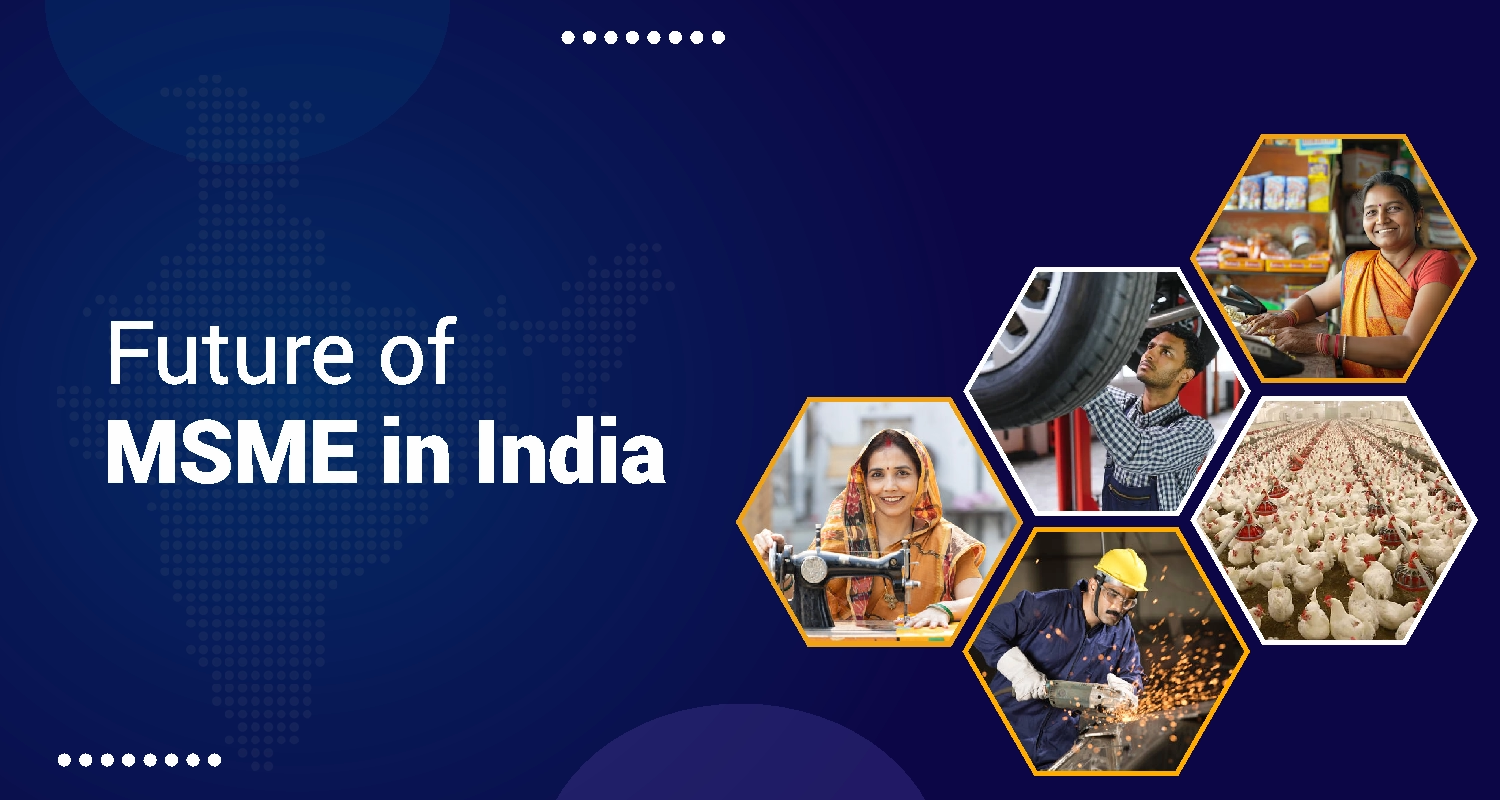
The challenges and opportunities for retail and MSMEs in India’s evolving business climate are becoming increasingly important as consumer behaviour shifts, digital adoption accelerates and competition rises across categories. The main keyword retail and MSMEs now defines how small businesses adapt and grow in a rapidly changing economy.
India’s business environment has undergone structural changes driven by rising incomes, urbanisation, digital payments, e commerce expansion and stronger infrastructure. These shifts influence how small retailers, local commerce operators and MSMEs plan pricing, customer engagement and supply chains. While the environment presents hurdles, it also offers significant growth pathways for businesses that modernise operations and respond to regional trends.
How consumer behaviour shifts are reshaping small retail
Indian consumers are becoming more value conscious, digitally active and brand aware. For small retailers this requires adjustments in assortment planning, customer experience and demand forecasting. Customers in Tier 2 and Tier 3 cities increasingly expect product variety, transparent pricing and digital payment options. Retailers who remain cash only or limit inventory based on traditional assumptions risk losing footfall.
Digital discovery has also influenced buying patterns. Customers compare prices online, check availability through platforms and research products before visiting stores. This forces local retailers to stay competitive and maintain clarity in their communication.
However, offline retail remains deeply relevant. Daily needs, fresh goods and quick service categories continue to depend on hyperlocal stores. Retailers who blend physical service strengths with digital touchpoints are better positioned for growth.
The impact of technology integration on MSME competitiveness
Adopting technology is no longer optional for MSMEs. Point of sale systems, inventory management tools, digital billing apps and online storefronts help streamline operations. They minimise stockouts, improve cash flow visibility and reduce manual errors.
Digital payments remain one of the biggest shifts. UPI usage has expanded across cities and towns, pushing MSMEs to adopt QR based transactions. This improves transaction safety and builds financial records that support credit eligibility.
Small manufacturers and traders benefit from integrating with B2B marketplaces that offer procurement efficiency, transparent pricing and wider customer reach. Technology also helps MSMEs match the expectations of larger buyers who demand timely invoicing and traceability.
While digital adoption increases competitiveness, it requires training and consistent use. Some MSMEs face challenges in implementing systems due to limited skills or inconsistent internet quality. Addressing these gaps is essential for long term resilience.
Rising competition and supply chain challenges for local commerce
Competition for local retailers and small businesses has intensified. Large format stores, e commerce platforms and regional chains have increased choice for consumers. For local commerce operators this means differentiation is critical. Offering personalised service, curated product selection or faster fulfilment helps maintain loyalty.
Supply chain disruptions remain a challenge. Price fluctuations in commodities, inconsistent delivery schedules and dependency on wholesalers impact margins. Small retailers often face higher per unit procurement costs compared to larger players.
To remain competitive, many MSMEs are forming partnerships with logistics providers, adopting scheduled ordering systems or participating in cluster based procurement groups. These models reduce cost pressures and improve reliability.
Local commerce businesses that operate purely on traditional cycles face greater risk. Implementing demand based ordering and maintaining better vendor relationships can stabilise operations in a volatile environment.
Financing gaps and credit access for MSMEs
Limited access to affordable credit continues to be one of the biggest hurdles. Many MSMEs lack formal documentation, collateral or transaction history, making it difficult to secure loans from traditional banks.
Digital lending and cash flow based underwriting are emerging solutions. By leveraging GST data, payment records and invoice history, lenders evaluate MSMEs more accurately. This improves credit flow and reduces dependence on informal borrowing.
Government based schemes support MSMEs in obtaining working capital or expansion loans, but awareness levels remain inconsistent. Retailers and small manufacturers often fail to utilise available incentives due to limited knowledge or procedural concerns. Increasing awareness and simplifying processes can help bridge the financing gap.
Opportunities created by India’s expanding regional markets
Tier 2 and Tier 3 cities are becoming strong consumption hubs. Rising incomes, modern retail formats and improved infrastructure open large opportunities for small businesses. Local brands, speciality products and regional categories have seen faster growth in these markets than in metros.
MSMEs that adapt products to local preferences gain strong traction. Food processing, apparel, personal care, electronics and household goods are particularly influenced by regional tastes.
Growing logistics networks help local brands scale to nearby districts and states. This enables small manufacturers to reach customers beyond their immediate geography without heavy capital investment.
Consumer preference for authentic, regional and trusted local products also benefits smaller businesses that maintain quality and consistency.
Formalisation and regulatory changes shaping operations
Greater formalisation through GST, digital invoicing and compliance systems helps MSMEs participate in broader supply chains. While initial transition is challenging, formalisation improves long term growth prospects.
Regulatory shifts encouraging transparency reduce unfair competition and support businesses that follow compliant operations. MSMEs that invest in proper documentation, tax planning and record keeping gain credibility with buyers, lenders and partners.
Takeaways
- Retail and MSMEs are adapting to shifting consumer behaviour, digital expectations and intensified competition.
- Technology adoption improves efficiency and competitiveness but requires capability building and consistent use.
- Supply chain challenges and financing gaps persist, making operational discipline and credit access critical.
- Regional market expansion and formalisation create long term growth opportunities for small businesses.
FAQs
Q: What is the biggest challenge for MSMEs in today’s business climate
A: Access to affordable credit and managing supply chain volatility remain significant challenges that impact daily operations and expansion plans.
Q: How can small retailers compete with large chains
A: By offering personalised service, maintaining curated inventory, adopting digital payments and forming stronger supply partnerships to reduce procurement costs.
Q: Why is technology important for MSMEs now
A: Technology improves billing, inventory, payments and customer engagement, all of which directly influence profitability and competitiveness in modern markets.
Q: Are Tier 2 and Tier 3 markets attractive for MSMEs
A: Yes, rising incomes and strong consumption trends in these regions create high potential for growth, especially for regional brands and niche products.












Leave a comment