

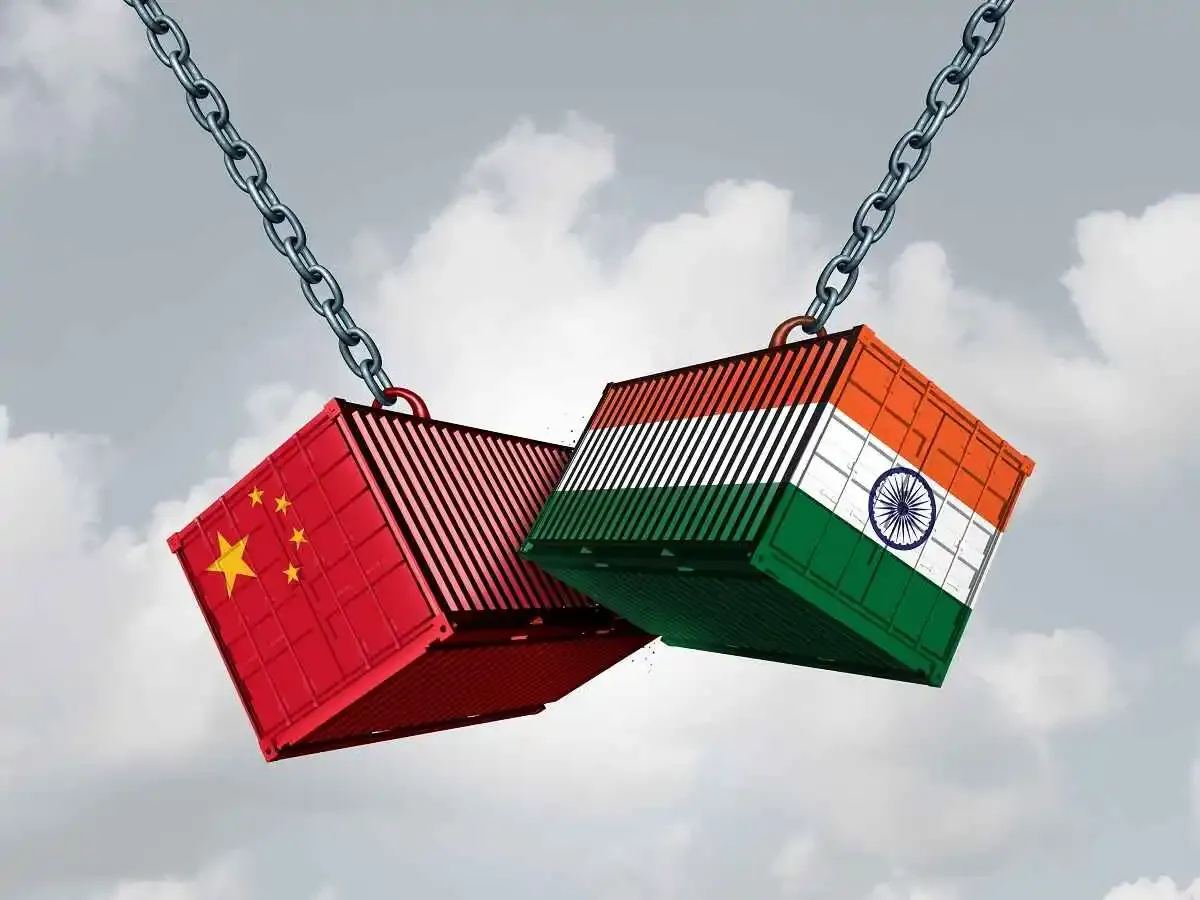
China takes India to WTO over trade duties has emerged as a significant trade dispute with direct implications for Indian MSMEs and exporters. The move escalates long standing tariff disagreements between the two countries and puts global trade rules, domestic protection measures, and export competitiveness under fresh scrutiny.
The issue is time sensitive news as it relates to an active dispute settlement process at the World Trade Organization. The tone below follows a news reporting style with policy and industry context.
India and China remain two of the world’s largest trading nations, yet their bilateral trade relationship has faced repeated stress due to border tensions, rising imports, and protectionist measures. China’s decision to challenge India’s trade duties at the WTO signals a legal and economic pushback against tariff structures that Beijing argues violate multilateral trade norms.
Why China has challenged India at the WTO
China’s WTO complaint focuses on specific customs duties and safeguard measures imposed by India on select product categories. These duties were introduced by India to protect domestic manufacturing and prevent injury from low priced imports, particularly from countries with large scale production advantages.
From China’s perspective, these duties are seen as exceeding bound tariff rates or being applied without sufficient justification under WTO rules. The challenge reflects China’s attempt to use multilateral mechanisms rather than bilateral negotiations to resolve trade frictions. For India, the case tests the balance between safeguarding domestic industry and complying with international trade commitments.
Secondary keyword focus India China trade dispute
Products and sectors under the trade duties lens
While WTO filings do not always name every product publicly at early stages, the dispute is understood to involve industrial goods where Indian manufacturers have long demanded protection. These typically include chemicals, steel related products, electronic components, and certain consumer goods.
For MSMEs, these sectors are critical because they face intense price competition from imports. Many small manufacturers rely on tariff protection to sustain margins, invest in capacity, and maintain employment. A ruling against India could force a rollback of duties, increasing competitive pressure on domestic players.
What WTO dispute proceedings mean in practice
The WTO dispute settlement process begins with consultations between the two countries. If consultations fail, the case moves to a panel stage where legal arguments are examined. This process can take several months or longer, especially given the current strain on the WTO appellate system.
During this period, existing duties usually remain in force unless voluntarily withdrawn. However, uncertainty itself can affect exporter confidence, pricing strategies, and long term contracts. Indian exporters and import dependent MSMEs may delay decisions until clarity emerges.
Secondary keyword focus WTO dispute process explained
Implications for Indian MSMEs
For MSMEs, the implications are mixed and depend on the final outcome. If India successfully defends its measures, domestic manufacturers gain continued tariff support and policy certainty. This allows them to plan production, manage costs, and compete with imported goods more effectively.
If India is required to modify or remove duties, MSMEs may face higher competition from Chinese imports. This could squeeze margins, particularly for businesses with limited pricing power or high input costs. At the same time, MSMEs that rely on imported intermediate goods could benefit from lower costs if duties are reduced.
The dispute also highlights the importance of improving competitiveness beyond tariff protection. Productivity, quality standards, and supply chain efficiency become more critical as trade barriers come under legal challenge.
Impact on Indian exporters and trade strategy
For exporters, the WTO case adds another layer to an already complex trade environment. India has been recalibrating its trade strategy through selective free trade agreements and production linked incentive schemes. A WTO ruling could influence how India designs future trade remedies.
Exporters targeting China may not see immediate impact, as the dispute focuses on imports into India. However, retaliatory measures or prolonged tensions could indirectly affect market access, logistics flows, and bilateral cooperation in certain sectors.
Secondary keyword focus Indian export competitiveness
Broader geopolitical and economic context
The India China tariff clash cannot be viewed in isolation. It occurs against a backdrop of geopolitical caution, supply chain realignment, and rising use of trade remedies globally. Many countries are increasingly using tariffs, safeguards, and anti dumping duties to protect strategic sectors.
China’s move to the WTO underscores its intent to challenge what it sees as discriminatory trade practices. For India, the case is also a signal to strengthen legal preparedness in trade disputes, given its growing role in global commerce.
What happens next and what businesses should watch
The immediate next step involves formal consultations between India and China. Businesses should monitor government statements, WTO panel developments, and any interim policy adjustments. MSMEs should assess their exposure to imports and review cost structures in case of tariff changes.
Exporters should stay alert to any shifts in trade policy tone or bilateral engagement that could affect cross border flows. While outcomes may take time, strategic planning now can reduce future disruption.
Takeaways
China’s WTO case challenges India’s use of trade duties to protect domestic industry
MSMEs could face either continued protection or sharper import competition depending on the ruling
Exporters should watch for indirect impacts on trade relations and policy direction
The dispute highlights the need for stronger competitiveness beyond tariff support
FAQs
Why has China taken India to the WTO
China argues that certain Indian trade duties violate WTO tariff commitments and has sought formal dispute resolution.
Will India have to remove the duties immediately
No, duties typically remain in place during consultations and panel proceedings unless India chooses to modify them.
How does this affect MSMEs
MSMEs in protected sectors benefit from duties, but a negative ruling could increase competition from imports.
When can a final decision be expected
WTO disputes can take several months or longer, especially given current procedural delays.









Leave a comment