

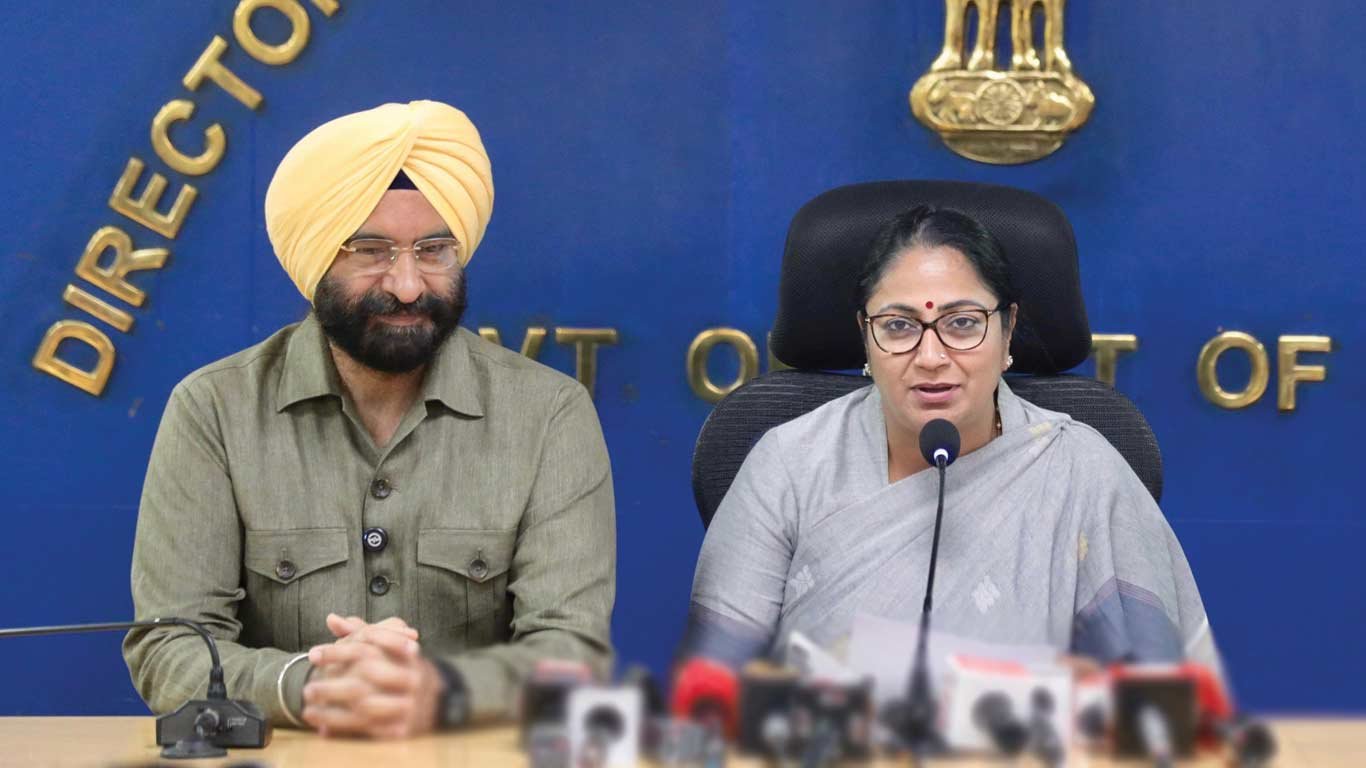
The Delhi Traders Welfare Board is the main keyword shaping a new policy approach aimed at improving coordination between government departments and the trading community. While the board is based in the capital, its structure and objectives have important implications for traders across small towns, wholesale hubs and regional markets that depend heavily on regulatory clarity and business friendly systems.
The initiative is time sensitive, so the tone follows a news reporting style grounded in verified context. The board’s creation reflects a wider push to modernise trader engagement, resolve compliance friction and improve access to welfare schemes that many small traders either miss or cannot navigate easily.
Why the Delhi Traders Welfare Board matters now
Secondary keywords: trader welfare, business regulation
The trading community forms a significant part of India’s informal and semi formal economy. Retailers, small wholesalers, mandi traders, hardware dealers, textile shop owners and electronics sellers often manage high volume transactions with low margins. Most operate with limited administrative support and face frequent compliance changes. The new board aims to create a single structured platform that can respond to trader needs, signal upcoming regulatory shifts and map common pain points.
Delhi remains an important wholesale base for traders from Uttar Pradesh, Haryana, Rajasthan, Punjab and many Tier 2 and Tier 3 cities. Better coordination in the capital indirectly benefits regional markets that buy stock, raw material and bulk supply from Delhi’s hubs. Clarity on licensing, safety norms, taxation rules and infrastructure decisions helps traders plan procurement cycles and stocking strategies with fewer disruptions.
How the board improves coordination with government departments
Secondary keywords: trader compliance, policy coordination
Many traders struggle with regulatory overlap across municipal bodies, state departments and tax authorities. Small business owners often spend time navigating paperwork instead of expanding operations. The new board is expected to streamline communication between trade associations and the government, reducing delays in resolving common issues like renewal procedures, layout approvals, waste management norms and safety certifications.
A structured escalation mechanism gives trader groups a clear route to raise concerns instead of visiting multiple offices. The board can also serve as a reference point when departments introduce new compliance requirements. For traders in small towns who rely on Delhi markets for supply, clearer rules reduce the risk of sudden stock delays caused by procedural bottlenecks in the capital’s wholesale belts.
Implications for wholesale hubs that supply India’s smaller cities
Secondary keywords: supply chain flow, wholesale markets
Many wholesale hubs in Delhi act as anchor markets for towns like Meerut, Sonipat, Alwar, Rohtak, Agra, Bhiwani and Kota. When administrative issues affect warehouses, transport movement or licensing in these hubs, the impact is felt downstream in dozens of smaller retail clusters. The new board can help identify operational challenges early, particularly those that affect market access, goods movement and trader logistics.
A more responsive system also helps during seasonal peaks. For example, festival demand spikes often require rapid stocking cycles. If traders face licensing delays, space allocation issues or traffic restrictions in wholesale markets, small town retailers experience shortages and higher procurement costs. The board’s role in coordinating with civic bodies may reduce such disruptions.
Strengthening trader welfare and access to government schemes
Secondary keywords: small trader benefits, welfare access
Many small traders either do not know about welfare schemes or find it difficult to complete formal onboarding due to documentation barriers. These include pension programs, health insurance schemes, skilling support and credit facilitation initiatives. The board can bridge this access gap by running targeted enrolment drives and simplifying the information flow through trader associations.
Better awareness helps traders in small towns who travel to Delhi for sourcing. When supplier networks in Delhi become more formalised and financially stable, the benefits move downstream. Retailers in small towns depend on steady pricing and predictable supply, both of which improve when wholesalers have structured access to financial and welfare systems.
Expected impact on market redevelopment and infrastructure decisions
Secondary keywords: market upgrades, trader infrastructure
Redevelopment of old markets, fire safety upgrades, warehousing rules and traffic management plans often move slowly due to coordination gaps. Traders frequently face uncertainty about redevelopment timelines, layout changes or shifting of market clusters. The new board can improve transparency around such decisions.
For traders in cities that rely on Delhi as a procurement base, better infrastructure planning means lower losses due to storage issues, transportation delays or temporary market shutdowns. Stable procurement improves stock planning for retailers in smaller towns and supports smoother cash flow cycles.
Takeaways
The Delhi Traders Welfare Board aims to streamline coordination between traders and government bodies
Improved systems in Delhi’s wholesale hubs benefit small town retailers dependent on these supply chains
The board can expand trader access to welfare schemes and reduce compliance friction
Better infrastructure and regulatory clarity in Delhi supports more predictable stocking cycles across regional markets
FAQ
What is the main purpose of the Delhi Traders Welfare Board?
The board is designed to improve coordination between government departments and trade associations, ensuring faster resolution of trader issues and clearer communication.
How does this affect traders outside Delhi?
Many small town retailers depend on Delhi’s wholesale hubs for stock. Improved functioning in these hubs directly supports stable supply for regional markets.
Will this help with compliance challenges faced by small traders?
Yes. The board can simplify communication around policy changes and reduce time spent on resolving procedural issues.
Can this improve access to welfare schemes for traders?
The initiative can increase awareness and streamline enrolment for schemes related to insurance, pensions and financial support that many traders currently miss










Leave a comment