

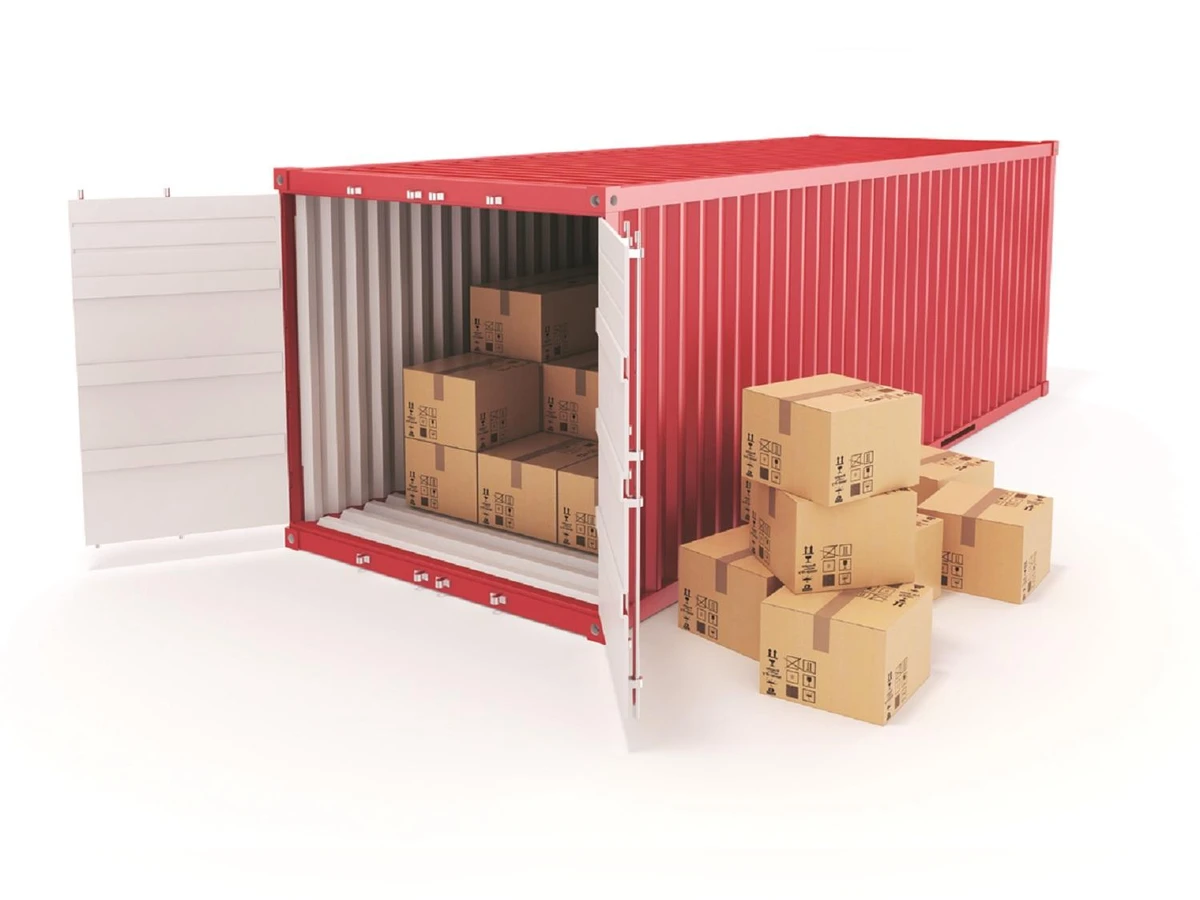
Domestic exports jump 15 percent YoY as key FTAs progress, signaling a broad based recovery in India’s trade momentum. Recent export data shows strong sector wise gains, driven by improved market access, stable global demand pockets, and better utilization of free trade agreements.
This topic is time sensitive news because it is based on recent export performance data and ongoing FTA negotiations and implementations. The tone below follows a news reporting style with analytical depth.
India’s export growth has remained resilient despite global uncertainty, inflationary pressures, and geopolitical disruptions. A 15 percent year on year rise in domestic exports indicates that Indian exporters are leveraging tariff advantages, diversified markets, and improved supply chain readiness. The progress of key FTAs has played a central role in supporting this momentum, particularly for sectors with strong price competitiveness and scale.
What is driving the 15 percent export growth
The rise in domestic exports reflects a combination of volume growth and better realization in select markets. Indian exporters have benefited from preferential access under FTAs with regions such as the UAE, Australia, and Southeast Asian partners.
Lower tariff barriers have improved price competitiveness, especially for goods where margins are sensitive to duty structures. Exporters have also adjusted product mixes to align with demand trends, focusing on value added goods rather than low margin bulk shipments. Stable logistics operations and improved port efficiency have further supported shipment timelines.
Secondary keyword focus India export growth data
Role of FTAs in boosting export performance
Free trade agreements reduce or eliminate customs duties, simplify rules of origin, and create predictable trade frameworks. As FTAs progress from initial implementation to wider adoption, exporters become more confident in committing capacity and marketing resources to partner markets.
Sectors that already meet international standards gain faster traction under FTAs. Indian firms with existing export experience have scaled volumes by leveraging tariff differentials over competitors from non FTA countries. This has translated into measurable export growth in both traditional and emerging sectors.
Sector wise winners in the latest export surge
Engineering goods continue to be a top contributor to export growth. Auto components, industrial machinery, and electrical equipment have seen strong demand from FTA partner markets. These products benefit from India’s manufacturing scale and improving quality benchmarks.
Chemicals and pharmaceuticals have also recorded steady gains. Generic drugs, specialty chemicals, and intermediates are finding consistent demand due to supply diversification by global buyers. Lower duties under FTAs improve margins and encourage long term contracts.
Textiles and apparel exports have shown recovery after a subdued phase. While global demand remains uneven, tariff advantages in specific markets have helped Indian exporters regain lost ground. Value added garments and technical textiles are outperforming basic yarn exports.
Secondary keyword focus sector wise export performance
Agri and food exports gain from market access
Agri and food processing exports have benefited from better access to markets with strong consumption demand. Processed foods, rice, spices, and ready to eat products have seen higher shipment volumes.
FTAs help address non tariff barriers through standard alignment and mutual recognition. This reduces rejection risk and compliance costs for exporters. Small and mid sized agri exporters, particularly from Tier 2 regions, are gaining from direct buyer relationships enabled by predictable trade rules.
Cold chain improvements and faster customs clearance have further strengthened competitiveness in perishable categories.
Services exports support overall trade momentum
While the headline growth focuses on domestic merchandise exports, services exports remain a stabilizing factor. IT services, business process outsourcing, engineering services, and professional consulting continue to perform well.
FTA progress in services chapters improves mobility, recognition of qualifications, and cross border data flows. This supports export revenue from non physical goods and offsets volatility in merchandise trade.
Service exports also have strong participation from Tier 2 and Tier 3 cities, contributing to more balanced regional growth.
Secondary keyword focus services export growth India
Impact on MSMEs and regional exporters
MSMEs account for a significant share of export growth, especially in labor intensive and niche manufacturing sectors. FTAs reduce entry barriers for small exporters by lowering landed costs and improving buyer confidence.
Regional export clusters in cities such as Surat, Ludhiana, Coimbatore, Moradabad, and Tiruppur have benefited from stable order flows. Many MSMEs are moving up the value chain by investing in design, packaging, and compliance to fully utilize FTA benefits.
However, MSMEs remain sensitive to currency movements and working capital cycles. Export growth sustainability depends on access to affordable credit and timely incentives.
Challenges that could affect export momentum
Despite positive growth, risks remain. Global demand recovery is uneven, and protectionist tendencies persist in some markets. Compliance requirements under FTAs can be complex, particularly rules of origin documentation.
Logistics costs, while improving, remain higher than global benchmarks. Any disruption in shipping or port operations can impact delivery schedules and buyer confidence. Exporters must also prepare for increased competition from other FTA partner countries.
Secondary keyword focus export challenges India
What exporters should focus on going forward
To sustain growth, exporters need to deepen FTA utilization rather than relying on spot advantages. This involves understanding product specific tariff schedules, investing in compliance systems, and building long term buyer relationships.
Diversification across markets and products reduces dependence on a single region. Exporters should also track upcoming FTA negotiations to anticipate future opportunities and adjust capacity planning accordingly.
Government support through trade facilitation, faster refunds, and export credit remains critical to maintain momentum.
Takeaways
Domestic exports have grown 15 percent driven by FTA led market access
Engineering goods, chemicals, textiles, and agri exports are key winners
MSMEs and Tier 2 exporters are gaining from tariff and logistics improvements
Sustained growth depends on compliance, diversification, and cost control
FAQs
What does a 15 percent YoY export jump indicate
It reflects strong demand recovery, better market access through FTAs, and improved exporter competitiveness.
Which sectors benefited the most
Engineering goods, chemicals, pharmaceuticals, textiles, and processed food exports showed strong gains.
How do FTAs help Indian exporters
FTAs lower tariffs, simplify trade rules, and improve predictability in partner markets.
Can this export growth continue
Yes, if global demand remains stable and exporters effectively utilize FTA benefits while managing costs.












Leave a comment