

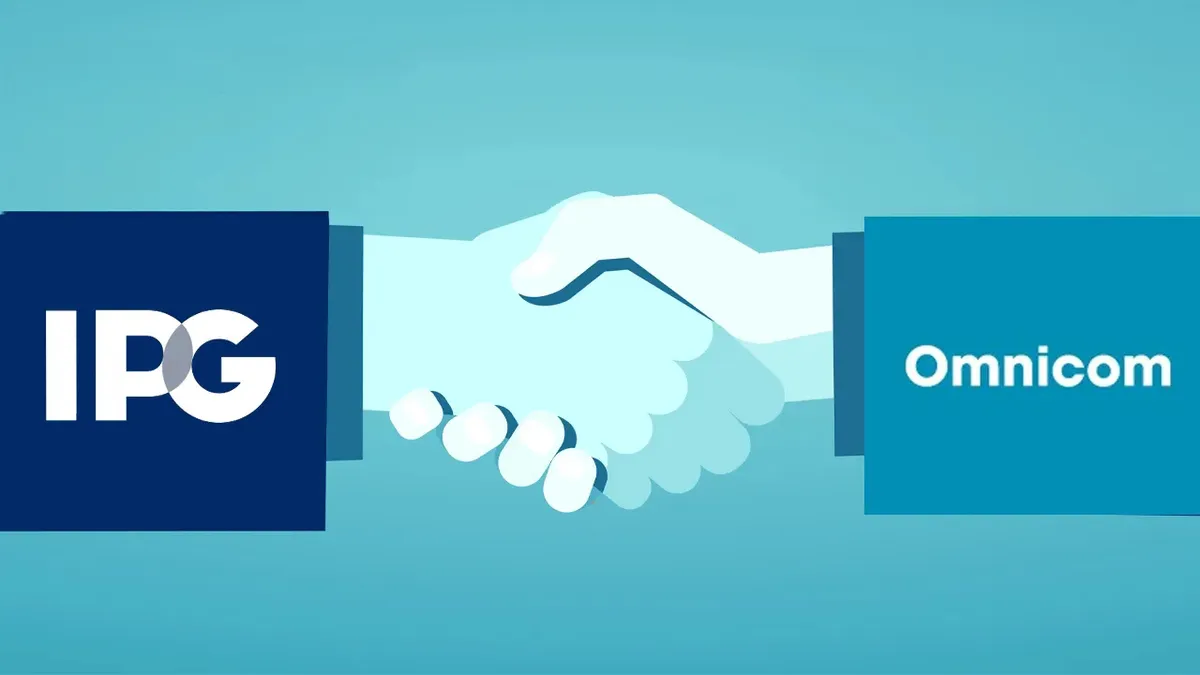
The merger of Omnicom Group and Interpublic Group, if it closes as announced, marks one of the biggest consolidation moves in global advertising. This topic is time sensitive because it reshapes the structure of the global agency ecosystem and directly influences how Indian agencies, brands and media partners operate. The intent is analytical, not a news confirmation of operational outcomes.
The combined scale of two global holding companies would alter competitive dynamics across creative, media, digital and technology services. For India, a market defined by rapid digital adoption and cost sensitive campaigns, the impact will be felt across talent flows, pricing models and service expectations.
Why A Merger Of This Scale Matters For India’s Advertising Market
India is a strategic growth market for global networks due to expanding digital spends, rising regional brands and a steady increase in media fragmentation. Omnicom and IPG both operate strong portfolios here through creative agencies, media networks, data firms and specialised units.
A combined entity would control a larger share of multinational brand mandates and bring together capabilities across performance marketing, retail media, analytics and brand strategy. This consolidation could give the merged network stronger bargaining power with publishers, platforms and technology partners.
For Indian clients, especially those working with multinational agencies, a merger of this size brings potential efficiency gains but also new risks tied to concentration of control.
Impact On Indian Agencies Competing With Global Networks
Independent agencies in India have grown rapidly by offering agility, cost efficiency and faster turnaround. A merged Omnicom–IPG entity with deeper resources may push independents to differentiate more clearly on creativity, automation and category specialisation.
At the same time, consolidation at the top could open new opportunities for mid sized agencies. Conflict management becomes more complex when two large networks combine, forcing several global and domestic brands to reconsider agency alignment.
This creates room for independent shops to win accounts that previously sat with only large networks due to global tie ups.
What Indian Clients Can Expect From A Larger Global Network
Clients may benefit from unified data systems, stronger analytics stacks and integrated media buying. The merged network could streamline reporting, cross channel measurement and creative–media alignment through centralised tools.
However, larger networks often bring more rigid processes and longer approval cycles. Indian brands, especially digital first companies, prefer speed and flexibility. If the merged entity prioritises global processes over local agility, some clients may evaluate alternative partners.
Pricing is another factor. Consolidation can strengthen negotiating power with platforms but may also reduce rate flexibility for clients if cost structures become standardised.
Talent Movement And Skill Demand Across Indian Markets
Omnicom and IPG both have deep talent bases in India across creative, media, production and digital services. A merger often triggers restructuring, realignment of roles and integration of overlapping units.
This can push senior talent into the independent ecosystem, where their experience boosts emerging agencies. At the same time, the merged network may invest heavily in AI powered marketing, retail media and performance operations, creating new specialised roles across India.
Tier 2 talent markets such as Pune, Coimbatore, Indore and Kochi could see increased hiring as global networks expand production and delivery centres beyond metros.
Competitive Pressure On India’s Digital And Performance Agencies
Performance marketing agencies in India will face added pressure if the merged entity integrates technology stacks from both groups. Access to global datasets, advanced optimisation tools and proprietary attribution models could strengthen its competitive edge.
However, Indian digital agencies are known for execution agility and cost advantage. Many brands prefer local partners who understand regional buying patterns, vernacular markets and last mile execution better than global networks.
A stronger global competitor may push Indian agencies to innovate faster, adopt AI driven workflows and sharpen category expertise.
Shift In Media Buying And Platform Relationships
A consolidated network will command larger ad budgets across social, search, programmatic and retail channels. This could bring better rates and priority access for clients under the merged banner.
But concentration also raises questions about neutrality. Smaller advertisers may worry about being deprioritised when networks negotiate bulk deals. Publishers and platforms may need to rebalance relationships to avoid over dependency on one global group.
Opportunities For Indian Agencies Amid Global Consolidation
Global mergers typically create white spaces. Some brands shift agencies due to conflict, cultural mismatch or strategic redirection. Indian agencies that are strong in D2C, regional markets, influencer commerce and content operations can capture these openings.
Additionally, Indian creative and tech hubs may gain more offshored work as the merged group consolidates production in cost efficient markets. This benefits talent pools outside Mumbai and Delhi as well.
Takeaways
• A global Omnicom–IPG merger would significantly reshape agency competition and client strategies in India
• Independent agencies may gain opportunities from conflict driven brand realignments
• Indian clients could benefit from deeper data capabilities but may face rigid processes
• Talent redistribution and stronger tech adoption will influence the next phase of India’s advertising market
FAQ
Q: How will Indian brands be affected by a global Omnicom–IPG merger
A: They may see stronger integrated capabilities but could also face slower processes or pricing standardisation depending on how the merged entity operates locally.
Q: Will independent agencies benefit from this consolidation
A: Yes. Account conflicts and restructuring often create opportunities for agile independents to win mandates.
Q: Could the merger impact talent flows in India
A: Likely. Integration may lead to movement of senior leaders into the independent ecosystem and expansion of tech heavy roles across India.
Q: Will media buying become more concentrated
A: Yes. A merged network will control larger budgets, improving negotiation power but increasing concentration risk for platforms and smaller advertisers.









Leave a comment