

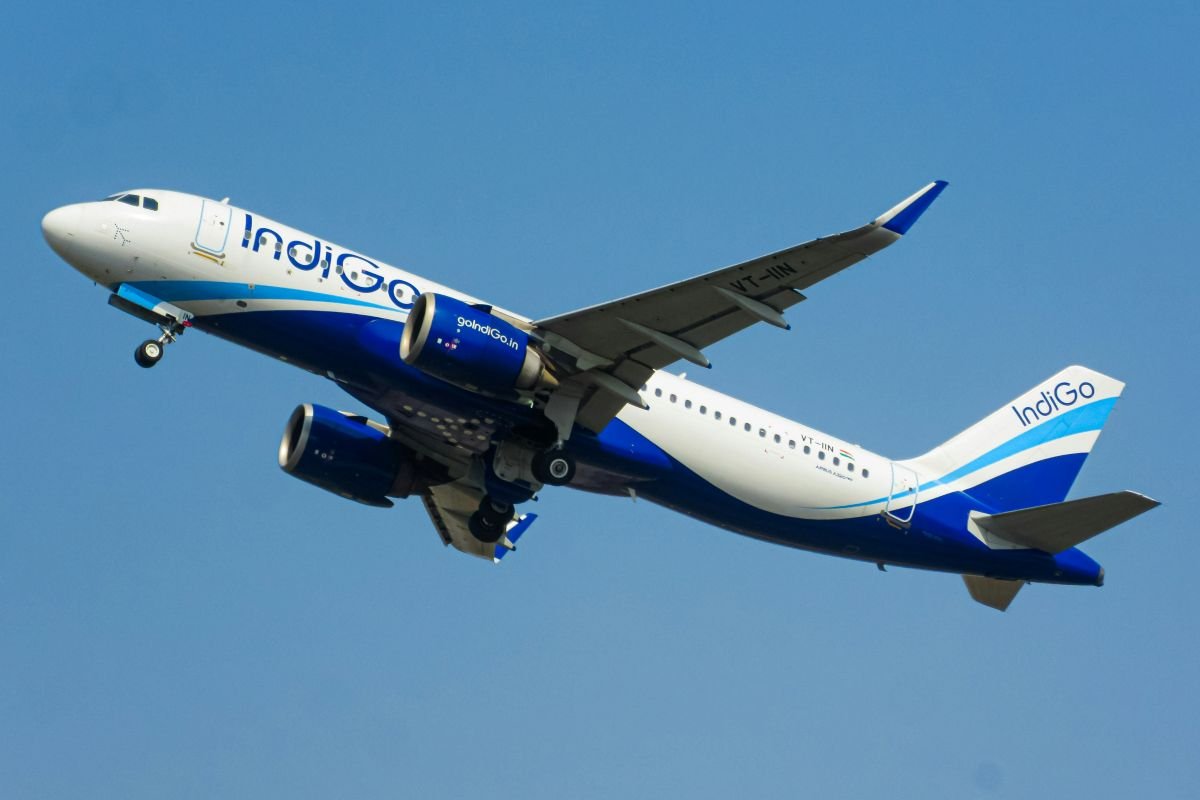
IndiGo’s 11-hour nonstop flights mark a strategic shift in India’s aviation landscape, with direct implications for regional connectivity and logistics costs. These long-haul operations signal how Indian carriers are rethinking routes, aircraft use, and cost structures to link smaller markets directly with global hubs.
IndiGo’s 11-hour nonstop flights represent a time-sensitive development rather than an evergreen trend. The move is rooted in recent fleet expansion, regulatory approvals, and demand patterns emerging in 2025 and early 2026. The tone, therefore, is grounded in current aviation and logistics realities.
Why 11-hour nonstop flights matter for Indian aviation
The introduction of 11-hour nonstop IndiGo flights is not just about longer flying time. It reflects how narrowbody and mid-range widebody aircraft are being deployed to bypass traditional hubs. For Indian aviation, this breaks the long-standing dependence on one-stop connections through metro airports or foreign transit hubs.
Direct long-haul flights reduce total travel time, remove layover uncertainty, and lower missed connection risks. For passengers from Tier-2 cities, this matters significantly. When regional airports are connected directly to overseas destinations through feeder networks, the effective distance between smaller cities and global markets shrinks.
From an airline economics perspective, nonstop flights also improve aircraft utilization. Fewer ground stops mean faster turnaround cycles over a weekly schedule, allowing better revenue extraction from each aircraft.
Impact on regional connectivity beyond metros
One of the most immediate effects of 11-hour nonstop flights is on regional connectivity. While these flights may originate from major hubs initially, their ripple effect benefits smaller cities. Improved long-haul capacity encourages airlines to strengthen domestic feeder routes from Tier-2 and Tier-3 airports.
For example, a business traveler from Indore or Coimbatore can reach an international destination with a single domestic hop instead of multiple layovers. This improves predictability and reduces travel fatigue. Over time, demand data from such feeder routes can justify direct international services from secondary cities.
Airports in non-metro regions also gain bargaining power. As international connectivity improves, airport authorities can attract more cargo operators, maintenance services, and allied businesses, creating a local aviation ecosystem.
Logistics cost implications for cargo and trade
The logistics cost impact of IndiGo’s 11-hour nonstop flights is particularly relevant for high-value and time-sensitive cargo. Air freight pricing is influenced heavily by transit time, handling points, and reliability. Nonstop long-haul routes reduce cargo handling stages, lowering damage risk and insurance costs.
For exporters in pharmaceuticals, electronics components, perishables, and precision engineering, fewer transshipment points mean better shelf life and faster market access. Even marginal time savings translate into working capital efficiency for small exporters operating on tight margins.
On the import side, faster inbound logistics can reduce inventory holding periods. This is especially important for MSMEs dependent on imported inputs. While air freight remains more expensive than sea transport, predictable nonstop routes make air cargo viable for a wider range of goods.
Cost structure advantages for airlines and shippers
IndiGo’s operating model relies on tight cost control, and 11-hour nonstop flights fit into this strategy. Direct routes eliminate airport charges at intermediate hubs, reduce fuel burn associated with takeoff and landing cycles, and simplify crew scheduling.
For shippers, these efficiencies can eventually translate into more stable freight rates. While ticket prices and cargo tariffs may not drop immediately, volatility reduces. Stable pricing helps businesses plan logistics budgets more accurately, especially exporters in Tier-2 regions who often face rate shocks during peak seasons.
Another cost factor is reliability. Missed connections and cargo delays have indirect costs that do not show up on invoices but hurt businesses through penalties and lost customers. Nonstop flights reduce these hidden costs.
Competitive pressure on global and regional carriers
The launch of long-duration nonstop flights also reshapes competition. Foreign carriers that rely on hub-and-spoke models may see pressure on routes connecting India to Europe, West Asia, and parts of East Asia. When passengers and cargo can move directly, the value of intermediate hubs declines.
This competition could force fare rationalisation and service upgrades across the market. For Indian exporters and frequent business travelers, this is a net positive. More options generally lead to better pricing discipline and service consistency.
Domestic competitors may also be pushed to accelerate fleet upgrades and explore similar long-haul strategies. This could further strengthen India’s position as an aviation and logistics hub rather than just a traffic origin market.
Long-term implications for regional economies
Beyond aviation metrics, 11-hour nonstop IndiGo flights can influence regional economic patterns. Improved connectivity attracts foreign buyers, investors, and service providers to non-metro regions. Export-oriented clusters benefit when international travel and cargo become easier.
Tourism is another indirect beneficiary. International tourists accessing regional destinations through efficient connections are more likely to explore beyond major cities. This supports hospitality, transport, and local employment in smaller markets.
However, the scale of impact depends on consistency. Sporadic long-haul operations will not reshape connectivity on their own. Sustained schedules, reliable load factors, and integration with domestic networks are critical for long-term gains.
Takeaways
11-hour nonstop IndiGo flights reduce reliance on foreign transit hubs and shorten total travel time
Regional connectivity improves as Tier-2 and Tier-3 cities benefit from stronger feeder networks
Logistics costs for high-value and time-sensitive cargo become more predictable and efficient
Long-haul nonstop routes increase competitive pressure and strengthen India’s aviation ecosystem
FAQs
What makes 11-hour nonstop flights different from existing international routes?
They eliminate intermediate stops, reducing transit time, handling risks, and operational complexity for both passengers and cargo.
Will these flights directly operate from Tier-2 cities?
Initially, most long-haul flights operate from major hubs, but improved feeder connectivity can lead to future direct services from secondary cities.
How do nonstop flights affect logistics costs?
They lower indirect costs like delays, cargo damage, and inventory holding time, making air freight more viable for certain goods.
Are ticket prices expected to fall due to these flights?
Immediate price drops are unlikely, but increased competition and operational efficiency can stabilise fares over time.












Leave a comment