

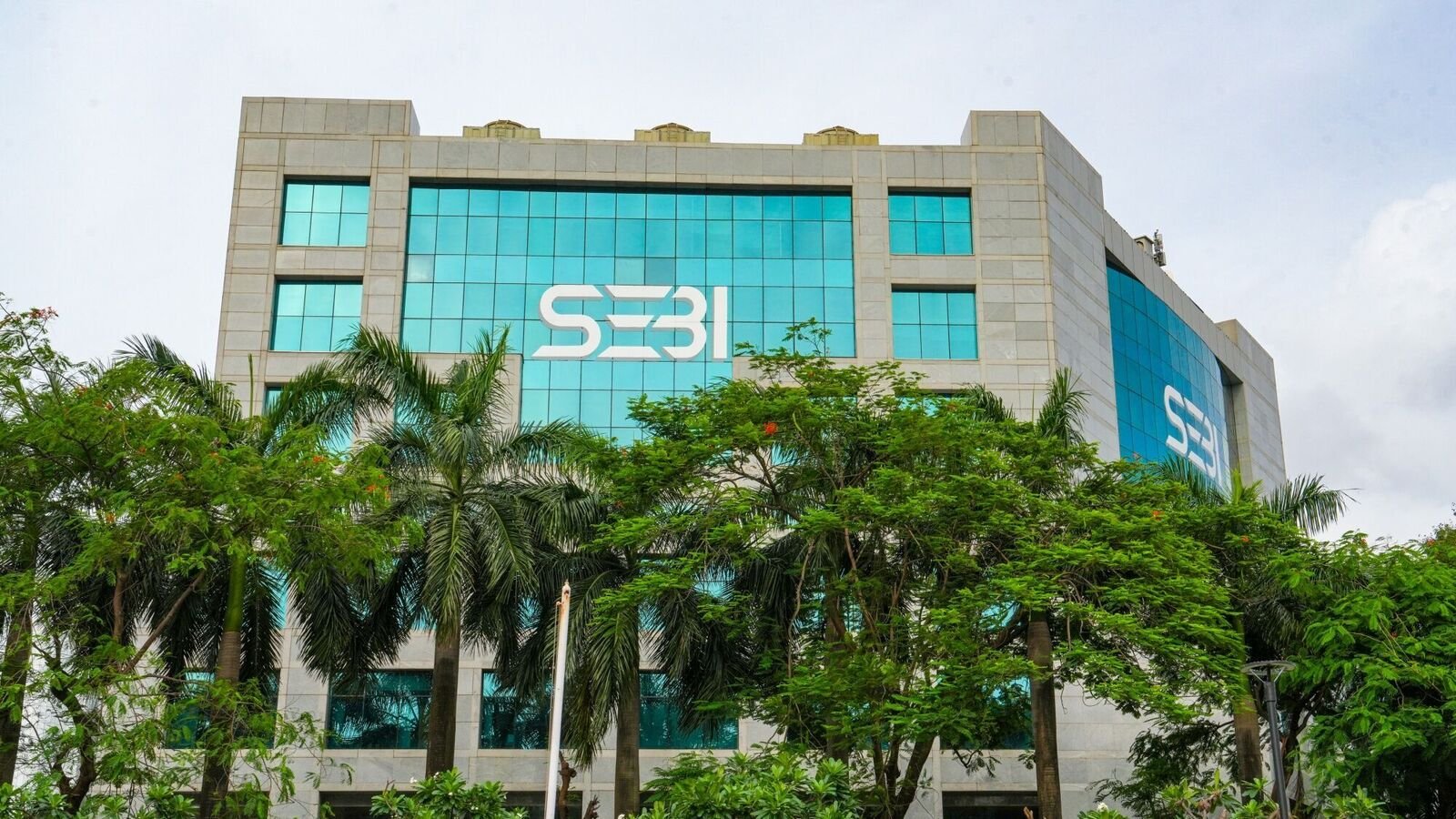
SEBI’s new return verification agency is a time sensitive regulatory development aimed at improving the accuracy of performance claims made by funds, advisors and digital platforms. The move addresses rising concerns around misleading returns and strengthens trust among India’s growing retail investor base.
The initiative comes as more first time investors rely on online tools, influencer recommendations and app based advisory models. Without standardised verification, return figures often vary across platforms, making it harder for investors to evaluate risk. SEBI’s solution introduces a structured mechanism to authenticate reported performance, reduce misrepresentation and increase accountability across the financial ecosystem.
Impact on retail investment trust and transparency
The return verification agency directly influences investor trust because it provides an independent method to validate published performance numbers. This change matters in a market where millions of new investors are joining through low cost digital platforms. Verified returns reduce confusion and ensure that investors are not misled by exaggerated past performance. Platforms offering advisory products will now be required to align their reporting with verified datasets, which increases comparability across funds. This also helps regulators track patterns of misreporting and enforce stricter compliance. As a result, investors can make decisions with more confidence, which supports long term participation in equity and debt markets.
Regulatory expectations and compliance adjustments
Financial advisors, portfolio managers, wealth managers and digital investment apps must update their internal systems to ensure return data is submitted accurately for verification. SEBI expects platforms to maintain consistent calculation methodologies and provide complete datasets to the agency. This improves reporting discipline and reduces incentives to highlight selective time periods that inflate performance. Compliance adjustments may include recalibrating dashboards, updating marketing materials and revising advisory models that rely on historical returns. Firms that have previously emphasised aggressive projections will face tighter scrutiny. Over time, this may lead to a cleaner advisory environment where claims must be supported by verified numbers rather than creative interpretation of data.
Influence on influencer marketing and online finance content
The emergence of unregulated financial content has increased the risk of misinformation, particularly for young investors from tier 2 and tier 3 cities. Return verification creates a clearer benchmark for what can be stated publicly. Influencers and content creators who discuss fund performance will need to align their commentary with verified datasets to avoid regulatory consequences. This will reduce the spread of misleading charts, cherry picked numbers and unrealistic expectations often promoted across social media. Investors searching for performance comparisons will gradually encounter more consistent information, reducing the likelihood of high risk decisions based on inaccurate claims. The shift also encourages responsible financial education content as creators rely on validated figures rather than unverified projections.
Broader impact on investment products and market behaviour
With a verified performance framework in place, investment products that have relied on inconsistent reporting may see reduced traction. Funds with stable, transparent records are likely to gain more investor attention because their historical performance will stand up to verification. For distributors and advisors, the focus may shift towards suitability based recommendations rather than marketing based on past returns. Market behaviour could evolve as investors become less influenced by short term performance spikes and more guided by long term verified data. This supports healthier asset allocation patterns and reduces churn driven by misleading historical numbers. A verified environment also benefits fintech platforms that prioritise compliance and consistency, enabling them to differentiate from players who relied heavily on aggressive performance presentation.
Takeaways
SEBI’s verification agency strengthens trust by validating reported returns
Advisors and platforms must align systems with standardised methodology
Influencer finance content will face higher accountability for accuracy
Verified performance improves long term decision making for retail investors
FAQs
Why did SEBI introduce a return verification agency
It was launched to ensure that fund and advisory performance claims are accurate, consistent and not misleading for retail investors.
How will this help new digital investors
Verified returns provide clarity and reduce confusion caused by inconsistent performance numbers across different platforms and content sources.
Do fintech apps need to change their reporting
Yes, platforms must update their methodologies and ensure data is submitted correctly for verification to comply with regulatory expectations.
Will it affect financial influencers
Influencers discussing returns will need to rely on verified figures to avoid sharing inaccurate or misleading performance claims.












Leave a comment