

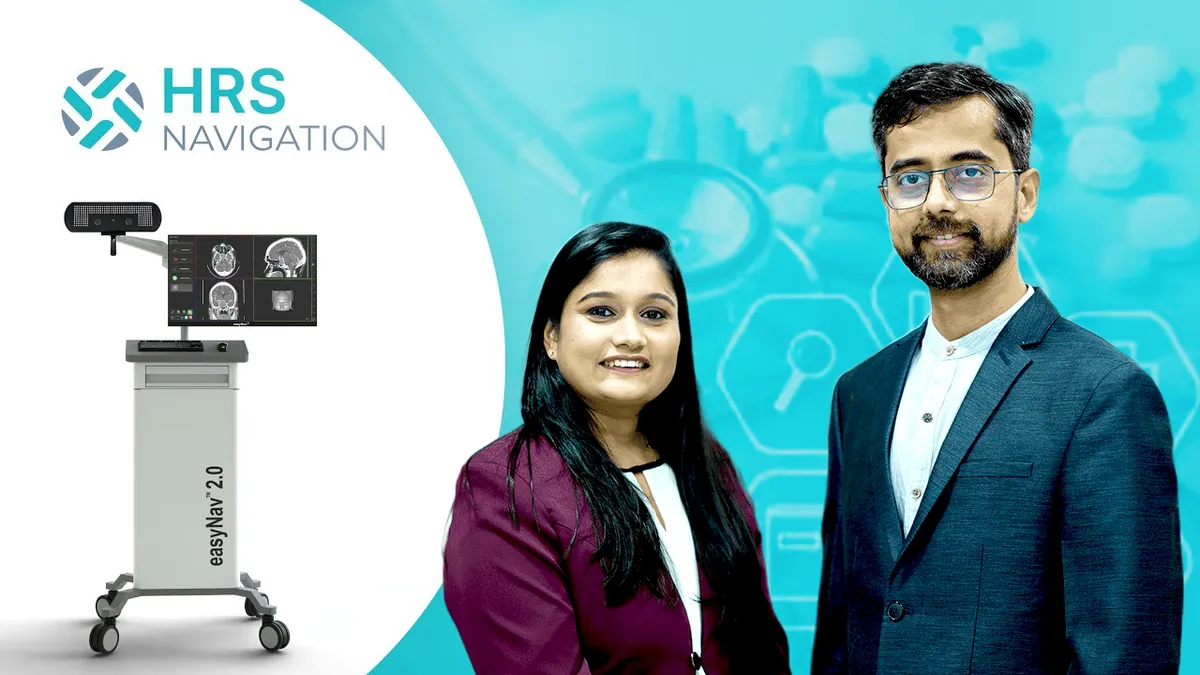
HRS Navigation, a med-tech startup, has raised US $5 million in a Pre-Series A round to expand its health technology solutions. The funding targets under-served regions, aiming to improve access, efficiency, and digital healthcare adoption in Tier-2 and Tier-3 areas.
Funding and Expansion Plans
HRS Navigation’s Pre-Series A funding of US $5 million is earmarked for scaling its med-tech solutions across less-served regions of India. The startup focuses on integrating digital health platforms with navigation and diagnostic technologies, allowing patients and healthcare providers to access timely medical services. This funding will support product development, deployment of devices and software, and partnerships with regional hospitals and clinics. By prioritizing under-served areas, HRS Navigation aims to bridge gaps in healthcare accessibility and digital literacy, especially outside major metro centers.
Targeting Under-Served Regions
Access to quality healthcare remains uneven in India, with Tier-2 and Tier-3 cities often lacking modern diagnostics, telemedicine facilities, and streamlined patient navigation systems. HRS Navigation’s approach addresses these challenges by enabling hospitals and clinics to provide real-time guidance, appointment scheduling, and patient tracking. By focusing on less-served regions, the startup not only increases healthcare accessibility but also helps regional health providers improve efficiency, optimize workflows, and better manage patient volumes in areas where resources are scarce.
Technological Solutions and Innovations
HRS Navigation employs AI-enabled platforms and wearable diagnostic tools to enhance patient care. Real-time data collection, predictive analytics, and seamless integration with hospital management systems ensure accurate monitoring and faster interventions. Digital navigation helps patients find the right specialist, schedule consultations, and receive reminders, reducing delays in treatment. The Pre-Series A funding will accelerate development of these technologies and extend coverage to smaller hospitals and clinics, making advanced healthcare services more reliable and user-friendly in regional towns.
Economic and Healthcare Implications
Expanding med-tech infrastructure in under-served regions has multiple benefits. Hospitals and clinics gain operational efficiency, healthcare staff can focus on patient care rather than administrative tasks, and patients experience faster, more reliable service. Local economies benefit through job creation in technical support, device maintenance, and training programs. By enabling data-driven healthcare solutions, HRS Navigation also contributes to improved health outcomes, disease monitoring, and public health planning in areas traditionally overlooked by advanced healthcare systems.
Challenges and Strategic Considerations
Despite growth potential, deploying health-tech solutions in smaller regions faces challenges such as limited digital literacy, infrastructure constraints, and adoption resistance among older populations. HRS Navigation must coordinate with local health authorities, invest in training programs, and design user-friendly interfaces to ensure seamless adoption. Regulatory compliance, data privacy, and security are also critical factors. Strategic partnerships with local hospitals and government initiatives will be key to overcoming these challenges while scaling operations effectively.
Takeaways
- HRS Navigation raises US $5 million to expand med-tech solutions to less-served regions.
- Tier-2 and Tier-3 hospitals gain access to advanced patient navigation and diagnostic tools.
- Improved healthcare accessibility and operational efficiency benefit both patients and providers.
- Strategic partnerships, training, and regulatory compliance are critical for success.
FAQs
Q1: What is the purpose of HRS Navigation’s funding?
A1: The US $5 million Pre-Series A funding will scale med-tech solutions in under-served regions, enhancing healthcare accessibility and efficiency.
Q2: Which areas will the startup focus on?
A2: HRS Navigation targets Tier-2 and Tier-3 cities with limited access to advanced healthcare technology.
Q3: What technologies are being deployed?
A3: AI-enabled patient navigation, wearable diagnostics, real-time monitoring, and integration with hospital management systems.
Q4: What challenges could affect adoption?
A4: Digital literacy gaps, infrastructure limitations, regulatory compliance, and resistance to new technology in smaller regions.










Leave a comment