

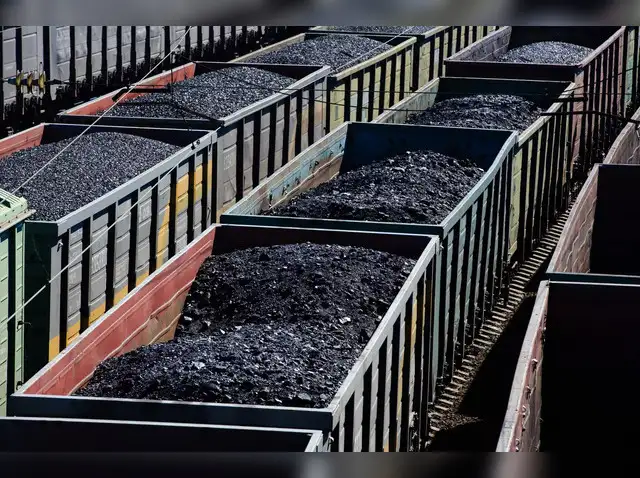
India’s coal export policy shift is a time sensitive development that signals a structural change in how the country manages surplus production, domestic supply security, and energy pricing. The decision has implications for local industries, power costs, and regional economies that depend heavily on coal linked activity.
Short summary
India has begun allowing limited coal exports for the first time in decades as domestic supply stabilises. The move affects power producers, industrial users, and state revenues, while raising questions about energy costs, logistics, and long term fuel strategy for local industries.
What has changed in India’s coal export policy
India’s coal export policy shift marks a departure from its long standing position as a coal deficit nation focused entirely on imports. Improved domestic production, better evacuation infrastructure, and reduced supply bottlenecks have allowed authorities to permit exports of specific grades of coal that are surplus to domestic requirements. This is not a blanket export push but a calibrated move targeting coal types that are less demanded locally or are geographically closer to ports. The policy is designed to monetise excess output while ensuring domestic power plants and industries continue to receive priority supply.
Why the government is allowing coal exports now
The decision is driven by structural improvements in coal availability. Over the past few years, domestic coal production has consistently increased due to expanded mining capacity and faster project clearances. Power plants have reported healthier stock levels compared to previous years when shortages were common. With logistics constraints easing, the government sees an opportunity to earn foreign exchange and reduce wastage of coal that may otherwise remain unsold. This also strengthens India’s position in regional energy trade, particularly in neighbouring countries that rely on imported coal.
Impact on local industries dependent on coal
For local industries such as cement, steel, sponge iron, and brick kilns, the immediate concern is whether coal exports will tighten domestic supply or raise prices. The current policy framework prioritises domestic allocation, meaning exports are allowed only after local demand is met. In the short term, industries are unlikely to face supply disruptions. However, if global coal prices rise sharply, there could be indirect pressure on domestic pricing. Small and medium industrial units in Tier 2 and Tier 3 regions are especially sensitive to input cost fluctuations, making policy monitoring critical.
Effect on power generation and energy costs
Coal based power generation remains the backbone of India’s electricity system. Any perception of reduced availability can influence fuel procurement strategies and power tariffs. At present, the export policy is structured to avoid impacting thermal power plants, which receive assured supplies through long term linkages. As long as this protection remains intact, electricity tariffs for households and small businesses should remain stable. Over the medium term, better monetisation of surplus coal could even support public investment in grid upgrades and renewable capacity, indirectly benefiting energy consumers.
Regional and logistical implications
Coal producing states stand to gain from the export policy through higher royalties, improved mine utilisation, and increased rail and port activity. Regions with port access may see a boost in logistics employment and ancillary services. For inland industrial clusters, transport efficiency becomes a key variable. If coal is moved efficiently without crowding out domestic freight, the impact remains neutral. Poor coordination, however, could increase freight costs and delays, which would disproportionately affect smaller manufacturers operating on thin margins.
Long term signals for India’s energy strategy
India’s coal export policy shift does not indicate a reversal of its clean energy commitments. Instead, it reflects a pragmatic approach to managing resources during the transition phase. Coal will continue to play a role in ensuring energy security while renewables scale up. Allowing limited exports sends a signal that India aims to balance domestic needs with global market opportunities. For industries, this reinforces the importance of improving energy efficiency and gradually diversifying fuel sources to reduce long term cost exposure.
Takeaways
India’s coal export policy allows limited exports without compromising domestic supply priorities
Local industries face minimal short term risk but must watch pricing trends closely
Power tariffs are unlikely to rise as thermal plants remain protected under supply linkages
Coal producing regions may benefit from higher revenue and logistics activity
FAQs
Why is India exporting coal despite being a large consumer
Domestic production has improved enough to create surplus grades that can be exported without affecting local demand.
Will coal exports increase electricity prices for consumers
In the current framework, power plants have assured supply, making immediate tariff increases unlikely.
Which industries are most affected by the policy shift
Coal intensive industries like cement, steel, and small manufacturing units are most sensitive to any pricing or supply changes.
Is this policy permanent or temporary
The policy is calibrated and review based, meaning export permissions can be adjusted depending on domestic demand and market conditions.












Leave a comment