

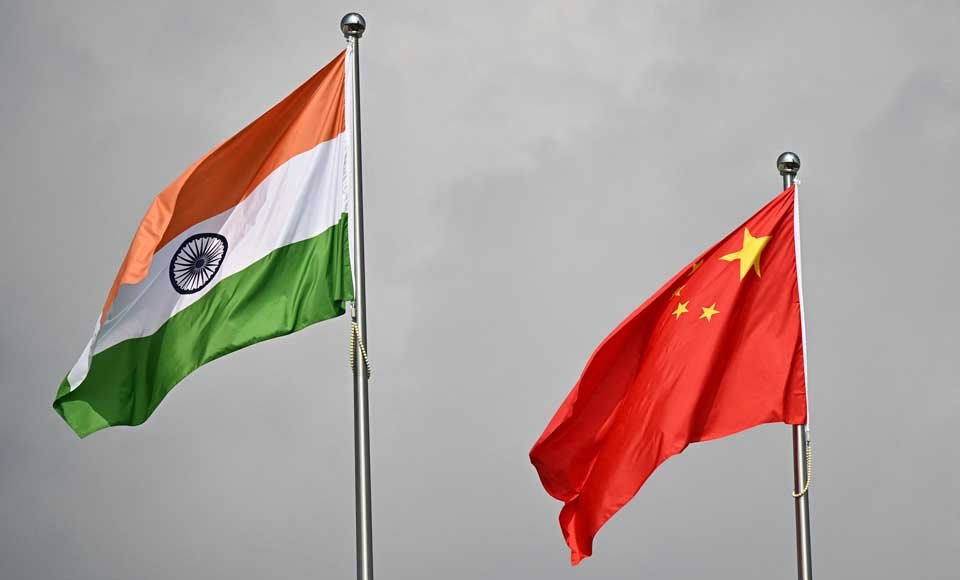
India has begun easing certain investment restrictions for select Chinese stakeholders to support manufacturing growth and supply chain expansion. The policy shift signals a cautious reopening of cross border investments while maintaining security scrutiny under the country’s foreign direct investment framework.
India’s move to relax investment rules for select Chinese stakeholders marks an important development in the country’s foreign direct investment policy. The India Chinese investment rules have remained strict since 2020, when the government introduced tighter scrutiny for investments from countries sharing a land border with India. The latest signals from policymakers indicate that limited approvals may be considered in sectors linked to manufacturing and supply chain development.
The policy adjustment reflects the government’s balancing act between national security considerations and the need to strengthen domestic manufacturing capacity.
Background of India’s Chinese Investment Restrictions
India tightened its FDI policy toward neighboring countries in April 2020. The rule required government approval for investments originating from countries that share land borders with India. The policy change was widely interpreted as a move to monitor Chinese investments more closely during a period of geopolitical tension and economic uncertainty.
Under this framework, investments from China, Hong Kong, and other neighboring jurisdictions could not proceed automatically through the traditional automatic route. Instead, they required review and approval from the Indian government.
Since then, hundreds of investment proposals involving Chinese investors have been examined. Several were delayed or rejected due to national security concerns or sector sensitivities. Technology platforms, digital infrastructure, and strategic sectors faced particularly high scrutiny.
At the same time, many industries have continued to rely on Chinese suppliers, equipment, and investment partnerships, particularly in manufacturing supply chains.
Manufacturing Growth Driving Policy Adjustments
The current policy shift appears to be driven by India’s push to expand manufacturing capacity. Programs such as the Production Linked Incentive scheme have encouraged domestic manufacturing in sectors including electronics, automobiles, pharmaceuticals, and renewable energy.
In many of these sectors, Chinese companies play a significant role in global supply chains. They supply components, manufacturing equipment, and industrial inputs used by factories worldwide.
Allowing selective Chinese investment could help Indian companies accelerate manufacturing expansion, improve supply chain efficiency, and scale production faster.
Industry analysts note that sectors such as electronics assembly, electric vehicle components, solar equipment, and consumer electronics manufacturing could benefit from smoother investment approvals.
For Indian manufacturers operating in Tier 2 and Tier 3 industrial clusters, access to global capital and technology partnerships can be especially important for scaling operations.
Government Approval Process Remains in Place
Although India is easing certain investment restrictions, the government approval route remains in effect. This means investments from Chinese stakeholders will still undergo review before they are cleared.
Officials have indicated that approvals may be granted selectively depending on the nature of the investment, sector involvement, and security implications. Investments linked to sensitive sectors such as telecommunications, data infrastructure, or strategic technology are likely to continue facing stricter scrutiny.
However, manufacturing oriented investments that contribute to domestic production capacity may receive faster approvals if they align with India’s industrial policy objectives.
This selective approach allows policymakers to encourage economic growth while maintaining oversight of foreign capital inflows.
Impact on India’s Startup and Industrial Ecosystem
The policy change may also influence India’s startup and industrial ecosystems. Before the 2020 restrictions, several Indian startups had received capital from Chinese technology investors and venture capital funds.
After the restrictions were introduced, funding flows from Chinese investors slowed sharply. Many startups turned to domestic venture capital firms or investors from the United States, Singapore, and the Middle East.
The gradual reopening of investment approvals may create opportunities for collaboration in manufacturing driven startups, hardware companies, and supply chain technology firms.
For example, electronics manufacturing startups, battery technology companies, and mobility startups could benefit from partnerships that combine capital, manufacturing expertise, and access to global supplier networks.
At the same time, the government is expected to continue emphasizing domestic capability building through initiatives such as Make in India and the semiconductor mission.
Strategic Balance Between Security and Economic Growth
India’s approach to Chinese investment reflects a broader strategy of maintaining economic engagement while safeguarding national security.
The country has steadily increased scrutiny of foreign investments in critical sectors while continuing to encourage capital flows into manufacturing, infrastructure, and industrial development.
As India positions itself as a global manufacturing hub, policymakers must ensure that industries have access to capital, technology, and supply chain partnerships needed for growth.
Selective easing of investment rules for Chinese stakeholders suggests that the government is willing to recalibrate policies when economic priorities require it.
The coming months will likely reveal how many proposals receive approval and which sectors benefit most from the adjusted investment framework.
Takeaways
India has begun selectively easing restrictions on Chinese investments, particularly in manufacturing related sectors.
The approval route for investments from neighboring countries remains in place under India’s FDI policy framework.
Manufacturing expansion and supply chain development are key factors driving the policy adjustment.
The shift reflects a balance between national security concerns and economic growth priorities.
FAQs
Why did India restrict Chinese investments earlier?
India introduced stricter FDI rules in 2020 requiring government approval for investments from countries sharing land borders with India. The move aimed to prevent opportunistic takeovers and strengthen investment oversight.
Is India fully opening its market to Chinese investors again?
No. Investments from Chinese stakeholders still require government approval. The relaxation applies only to selective cases, mainly linked to manufacturing and industrial development.
Which sectors could benefit from this policy change?
Manufacturing sectors such as electronics, electric vehicle components, renewable energy equipment, and industrial supply chains may benefit from faster approvals.
Will Chinese venture capital return to Indian startups?
It is possible in some sectors, especially hardware and manufacturing focused startups, but technology and strategic sectors will likely continue to face stricter scrutiny.










Leave a comment