

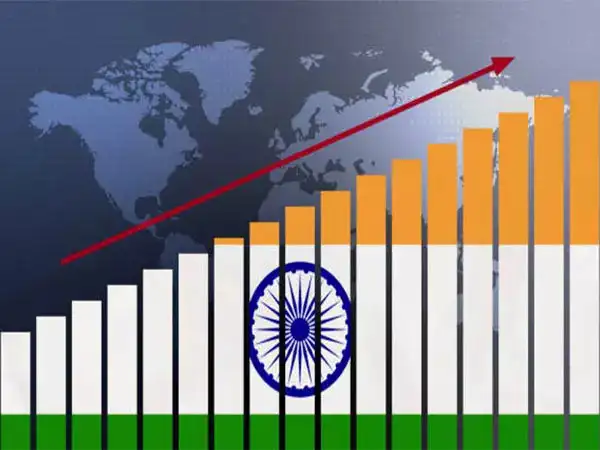
The Indian economy outlook 2026 points to a year of moderated growth, shifting consumption patterns and selective opportunities for regional businesses. While global uncertainties remain, domestic demand, public spending and structural reforms continue to shape how Tier-2 and Tier-3 enterprises can position themselves.
Macroeconomic backdrop shaping 2026 growth
The Indian economy outlook 2026 is time sensitive and rooted in current macroeconomic signals. Growth is expected to remain resilient but uneven across sectors. Inflation has moderated compared to earlier peaks, yet input costs and interest rates remain elevated for many businesses.
Private consumption is stabilising, supported by urban demand, while rural recovery is gradual. For regional businesses, this means cautious optimism rather than aggressive expansion. Government capital expenditure continues to act as a growth anchor, particularly in infrastructure, manufacturing and logistics.
Secondary keywords like India GDP growth outlook and economic headwinds in 2026 are central to understanding the operating environment. Businesses are expected to focus more on efficiency, cash flow discipline and selective investments rather than rapid scale at any cost.
Key growth headwinds for regional businesses
One of the primary headwinds in the Indian economy outlook 2026 is tighter financial conditions. Access to affordable credit remains a challenge, especially for small and mid sized enterprises outside metro cities.
Rising compliance requirements and fragmented implementation at the state and local level add to operational friction. For regional manufacturers and service providers, logistics costs and power reliability continue to impact margins.
Global factors also play a role. Slower growth in major export markets affects sectors like textiles, engineering goods and IT services. Secondary keywords such as global slowdown impact on India and SME credit challenges highlight the pressures faced by regional firms.
These headwinds mean businesses must prioritise cost control, working capital management and customer retention in 2026.
Consumption trends creating selective opportunities
Despite challenges, consumption patterns are evolving in ways that benefit regional businesses. Aspirational spending in Tier-2 and Tier-3 cities remains strong, particularly in categories like affordable housing, healthcare, education, jewellery and branded retail.
Digital adoption has expanded market access for smaller firms. Regional brands can now reach national audiences through marketplaces and social commerce without heavy physical expansion.
Secondary keywords like Tier-2 consumption growth and regional consumer demand align with this shift. Businesses that understand local preferences while maintaining quality and pricing discipline are better positioned to capture demand.
Service sectors such as diagnostics, organised food services and local logistics are also seeing steady traction due to urbanisation in smaller cities.
Infrastructure and public spending as growth enablers
Public investment remains a critical pillar in the Indian economy outlook 2026. Continued spending on roads, railways, industrial corridors and logistics hubs creates indirect opportunities for regional suppliers and contractors.
Manufacturing clusters near emerging infrastructure nodes stand to benefit from improved connectivity and lower transportation costs. For MSMEs, participation in government led supply chains can provide stable demand if compliance and quality standards are met.
Secondary keywords such as infrastructure led growth and public capex impact on SMEs reflect the importance of this trend. Businesses aligned with construction materials, engineering services and logistics support are likely to see sustained order flows.
Digital and formalisation push shaping competitiveness
Digitalisation and formalisation continue to reshape how regional businesses operate. Tax compliance, digital payments and data driven decision making are no longer optional.
Firms that invest in basic enterprise technology, inventory tracking and financial reporting gain better access to credit and partnerships. Informal businesses may find it harder to compete as policy incentives increasingly favour formal entities.
Secondary keywords like MSME formalisation and digital transformation for SMEs highlight a structural shift. The Indian economy outlook 2026 suggests that competitiveness will depend as much on systems and governance as on market demand.
Sector specific opportunities to watch in 2026
Certain sectors offer clearer upside for regional businesses. Manufacturing linked to domestic value chains, renewable energy components, agri processing and healthcare services show long term potential.
Education and skilling services in non metro regions are also expanding as demand for employability rises. Logistics and warehousing near consumption hubs benefit from ecommerce and organised retail growth.
These opportunities require patience and operational strength. Businesses entering these sectors should expect steady returns rather than quick wins.
Strategic priorities for regional enterprises
The Indian economy outlook 2026 rewards preparedness and adaptability. Regional businesses should focus on strengthening balance sheets, improving productivity and building resilient supply chains.
Expansion decisions should be data driven, not sentiment led. Partnerships, cluster based growth and gradual geographic expansion are safer strategies in a mixed macro environment.
Businesses that align with policy direction, infrastructure development and evolving consumption trends are better placed to navigate headwinds and capture opportunities.
Takeaways
- Indian economy outlook 2026 points to resilient but uneven growth
- Regional businesses face credit, cost and global demand headwinds
- Consumption and infrastructure spending offer selective opportunities
- Digital adoption and formalisation are key to long term competitiveness
FAQs
Is 2026 expected to be a high growth year for India?
Growth is expected to remain steady but not aggressive, with sector specific variation.
Which regional businesses are likely to perform better in 2026?
Firms aligned with consumption, infrastructure, healthcare and logistics have stronger prospects.
How important is digital adoption for regional SMEs?
Digital systems improve access to credit, efficiency and market reach, making them critical.
Should regional businesses delay expansion plans in 2026?
Expansion should be selective and data backed rather than broad based or debt heavy.











Leave a comment