

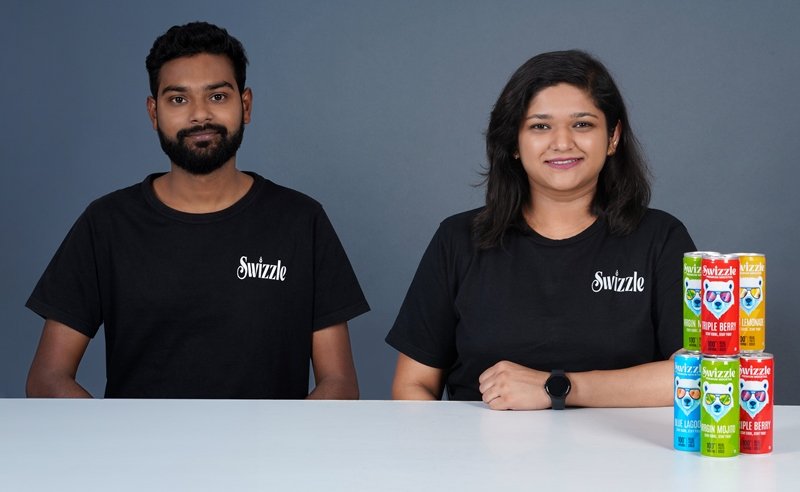
Inside Swizzle’s ₹2 Cr seed raise on IdeaBaaz is a time-sensitive funding development that signals rising micro-angel interest in early-stage startups. The deal highlights how alternative fundraising platforms are enabling smaller cheques, faster decisions, and broader investor participation.
Swizzle’s ₹2 Cr seed raise on IdeaBaaz reflects a shift in how young startups are accessing capital. Instead of relying solely on traditional angel networks or venture funds, founders are increasingly tapping curated pitching platforms that bring together experienced operators and micro-angels. This round underscores changing investor behaviour at the seed stage, where conviction-driven bets are replacing large but cautious cheques.
What Swizzle’s seed round reveals about early-stage funding
Swizzle’s successful fundraise points to sustained appetite for seed-stage deals despite a tighter funding environment. Investors at this stage are prioritising clarity of use case, early customer validation, and founder execution capability. A ₹2 Cr seed round suggests capital discipline rather than excess. The funding is sized to support product refinement, early hiring, and market testing rather than aggressive expansion. This aligns with the broader reset in startup funding where milestones matter more than momentum.
Role of IdeaBaaz in connecting startups and micro-angels
IdeaBaaz has positioned itself as a structured platform for curated startup pitches. Unlike informal angel introductions, such platforms reduce friction by standardising pitch quality and investor access. For Swizzle, raising capital through IdeaBaaz meant exposure to multiple micro-angels rather than dependence on a single lead investor. This model suits founders seeking strategic input alongside capital. For investors, it offers visibility into vetted opportunities without committing to large cheque sizes.
Why micro-angel interest is gaining traction
Micro-angels typically invest smaller amounts but bring operational experience and sector knowledge. Their rising interest reflects both risk management and opportunity creation. By spreading capital across multiple startups, micro-angels reduce concentration risk while staying engaged with innovation. Swizzle’s seed round illustrates how founders can aggregate several micro-cheques into a meaningful round. This trend is particularly visible in platforms, SaaS, and consumer-facing startups where early traction can be evaluated quickly.
What investors likely saw in Swizzle’s business model
While details of Swizzle’s operations remain early-stage, the ability to close a seed round suggests investors saw a clear value proposition and credible execution roadmap. Seed investors today look for focus rather than scale. A defined target customer, early proof points, and realistic go-to-market plans carry more weight than ambitious projections. Swizzle’s ability to secure ₹2 Cr indicates alignment between founder vision and investor expectations in the current market.
Impact on founders raising seed capital
Swizzle’s raise sends a practical signal to other founders. Seed funding is accessible, but it requires preparation and precision. Platforms like IdeaBaaz reward founders who can communicate clearly, respond to scrutiny, and demonstrate learning velocity. The days of raising on narrative alone are largely over. Founders must show why their solution matters now and how capital will be deployed efficiently within defined timelines.
How this shapes the broader startup funding ecosystem
The success of this round highlights the growing role of alternative fundraising mechanisms in India’s startup ecosystem. Micro-angel participation increases capital flow at the bottom of the funnel, which is critical for innovation continuity. As venture funds become selective, these platforms fill a gap by supporting experimentation without excessive dilution. Over time, this could lead to a healthier pipeline of startups graduating to institutional rounds with stronger fundamentals.
Tier-2 and Tier-3 relevance of micro-angel funding
Micro-angel networks are particularly relevant for founders outside major startup hubs. Platforms like IdeaBaaz reduce geographic barriers, allowing startups from smaller cities to access capital and mentorship. Swizzle’s seed raise reinforces the idea that good ideas and execution can attract funding regardless of location. This decentralisation of early-stage capital supports broader ecosystem development beyond metro clusters.
Risks and responsibilities after a micro-angel round
While micro-angel funding offers flexibility, it also introduces complexity. Managing communication with multiple investors requires discipline and transparency. Founders must align expectations early and maintain structured updates. For Swizzle, the post-funding phase will be critical. Execution against stated milestones will determine whether the company can convert seed backing into follow-on interest from larger investors.
What this signals heading into 2026
As the ecosystem heads toward 2026, Swizzle’s seed round reflects a cautious but active early-stage funding environment. Micro-angels and platforms are likely to play a larger role in shaping startup trajectories. Capital will flow to founders who combine focus with adaptability. The emphasis will remain on building durable businesses rather than chasing rapid valuation jumps.
Takeaways
Swizzle’s ₹2 Cr seed raise shows continued appetite for early-stage startups
Micro-angels are emerging as key players in seed funding rounds
Platforms like IdeaBaaz are reducing friction in startup fundraising
Execution discipline now matters more than aggressive scaling narratives
FAQs
What is significant about Swizzle’s ₹2 Cr seed raise?
It highlights active micro-angel participation and alternative fundraising platforms gaining relevance.
Who are micro-angels?
Micro-angels are individual investors who invest smaller amounts and often bring operational expertise.
How does IdeaBaaz support startup fundraising?
It connects curated startups with interested investors through a structured pitching process.
Does micro-angel funding replace venture capital?
No, it complements venture capital by supporting startups at the earliest stages before institutional rounds.












Leave a comment