

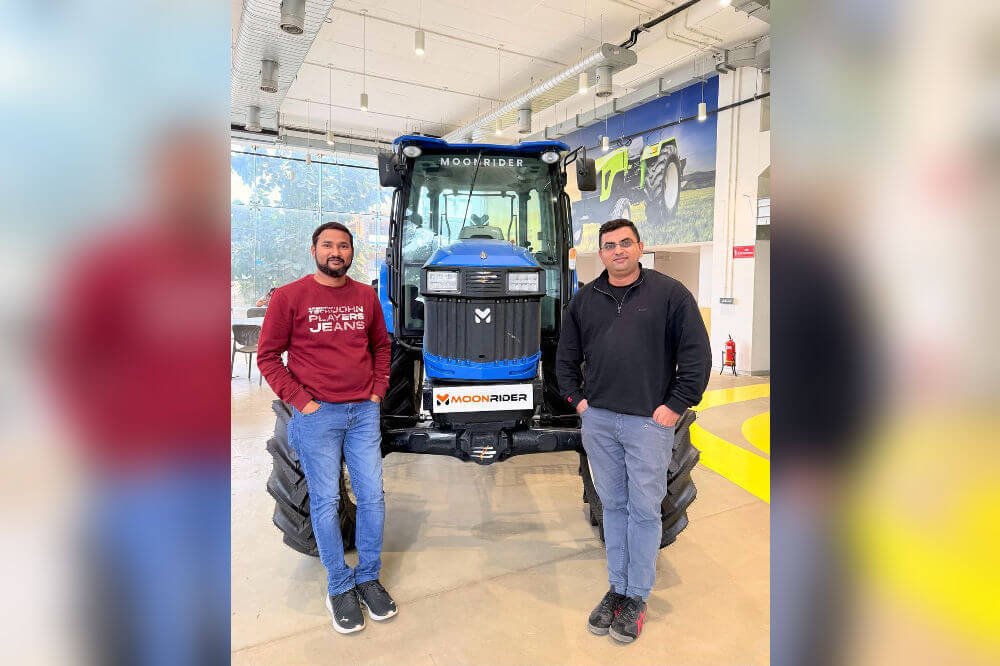
Moonrider raising 6 million dollars to build electric tractors is a time sensitive funding development with major implications for India’s rural economy. The investment signals rising confidence in agritech and clean mobility solutions designed specifically for small and mid sized farmers. As agricultural input costs rise and fuel linked expenses burden rural households, electric tractors offer a pathway to reduce operating costs, improve productivity and modernise farm operations.
The funding strengthens Moonrider’s ability to scale manufacturing, expand trials and develop technology suited to India’s diverse farming conditions across semi urban and rural regions.
Why electric tractors are gaining interest across rural markets
Electric tractors are attracting attention because they address two long standing challenges in rural agriculture: high fuel expenditure and limited access to efficient mechanisation. Diesel prices form a significant share of farming costs, especially during peak seasons. Electric mobility reduces dependence on diesel, allowing farmers to cut operational expenses over the long term.
Electric tractors are also easier to maintain due to fewer moving parts. This matters for farmers in remote villages where access to authorised service centres is limited. Lower maintenance requirements help reduce downtime during critical agricultural periods like sowing and harvesting.
Moonrider’s focus on compact and mid horsepower tractors aligns with the needs of India’s fragmented landholding structure. Smaller tractors with electric drive systems are ideal for narrow farm plots, orchard pathways and horticulture operations common in Tier 2 and Tier 3 districts.
Funding priorities and scaling strategy for Moonrider
The 6 million dollar funding round enables Moonrider to accelerate research, battery optimisation, motor efficiency and production capabilities. Electric tractors require robust powertrain engineering to ensure consistent performance in varied terrains, including hard soil conditions and uneven fields. The company is expected to invest in durability testing, temperature resistance modules and longer duty cycles.
Scaling manufacturing will be central to Moonrider’s growth. Establishing regional assembly units near farming belts helps reduce logistics costs and enables quicker servicing. Proximity to clusters in Punjab, Haryana, Uttar Pradesh, Maharashtra, Tamil Nadu and Karnataka can support faster deployment.
The company may also expand pilot programs where farmers can test electric tractors before adoption. Trials allow farmers to evaluate battery performance, towing capacity and charging cycles in real field conditions. Successful trials build confidence among early adopters in smaller towns.
Economic impact for farmers using electric mobility solutions
Electric tractors can substantially reduce recurring costs for farmers who rely heavily on diesel based equipment. Fuel savings alone can improve profitability for small and marginal farmers. Electric powertrains also deliver consistent torque at lower speeds, which improves efficiency in key farm operations such as ploughing and spraying.
Battery powered tractors can be paired with renewable energy sources like solar charging stations. Rural districts with high sunlight exposure can reduce dependence on grid connectivity. Community charging points or cooperative owned solar hubs allow multiple farmers to share infrastructure.
Reduced noise and vibration levels make electric tractors suitable for orchards, livestock zones and greenhouse farming. This adds value in high intensity agri clusters where precision work is necessary. As adoption increases, cost benefits may extend to secondary activities such as transport of produce, water hauling and rural logistics.
How this combines agritech innovation with EV sector expansion
Moonrider’s model sits at the intersection of agritech and electric vehicle innovation. This reflects a broader shift where startups are combining digital tools, clean mobility and automation to address rural productivity gaps.
Electric tractors can integrate with farm management apps, IoT sensors and GPS based guidance systems. This creates opportunities for precision agriculture, input optimisation and better crop planning. The combination of EV technology and data centric agritech solutions gives farmers access to modern tools without steep learning curves.
The success of such solutions also strengthens India’s EV ecosystem by expanding adoption outside metros. Rural markets represent one of the largest untapped user bases for electric mobility. Successful deployment of electric tractors encourages parallel investment in rural charging networks, battery recycling initiatives and advanced component manufacturing.
Challenges ahead for deployment in rural regions
Widespread adoption of electric tractors still faces challenges. Upfront costs remain higher than traditional models, making financing critical. NBFCs, agri lenders and microfinance institutions will play a key role in improving affordability.
Charging infrastructure varies across regions and requires strategic placement of stations. Ensuring reliable power availability during peak usage seasons is essential. Battery life and replacement costs also influence farmer decisions and must be optimised for long term ownership.
However, these challenges can be addressed through partnerships with state governments, local cooperatives and rural development programs. A combination of subsidies, community charging models and financing support can accelerate adoption.
Takeaways
Moonrider raised 6 million dollars to develop electric tractors for rural India.
Electric mobility reduces farming costs and improves operational efficiency.
Regional manufacturing and trials help scale adoption across farm belts.
Agritech and EV convergence offers long term productivity benefits for farmers.
FAQs
Why are electric tractors important for rural farmers
They lower fuel costs, reduce maintenance requirements and offer better efficiency for small plot and orchard farming.
How will Moonrider use the new funding
The company will expand manufacturing, improve battery and motor technology and increase pilot programs across major agricultural regions.
Is charging infrastructure a challenge in rural areas
Yes, but solar charging stations, cooperative setups and targeted government support can address this gap.
Can electric tractors improve farm productivity
Yes. They provide consistent torque, support precision farming tools and reduce downtime caused by mechanical issues.












Leave a comment