

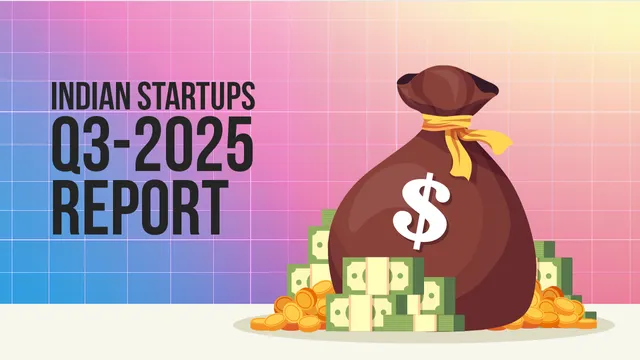
Non-metro startup funding in India has crossed the $3 billion mark, highlighting the growing importance of Bharat in the country’s innovation economy. However, despite this surge in capital inflow, startups outside metro cities continue to face persistent scaling and market access challenges.
Non-metro startup funding has emerged as a key trend in India’s startup ecosystem, with increasing investor attention shifting toward Tier-2 and Tier-3 cities. This development reflects both a diversification of capital and a recognition of untapped market potential beyond traditional hubs like Bengaluru, Mumbai, and Delhi.
Funding Momentum Expands Beyond Metro Cities
The rise in non-metro startup funding is being driven by a combination of lower operating costs, access to niche markets, and a growing pool of local entrepreneurial talent. Cities such as Jaipur, Indore, Coimbatore, Kochi, and Nagpur are witnessing a steady increase in early-stage funding activity.
Investors are actively scouting for startups solving region-specific problems in sectors like agritech, logistics, fintech, and vernacular content. These businesses often demonstrate strong unit economics due to lower customer acquisition costs and deeper market understanding.
Government-backed initiatives such as Startup India and state-level incubation programs have also played a role in enabling this shift. Improved digital infrastructure and wider internet penetration have further strengthened the foundation for startups in smaller cities.
Early-Stage Capital Drives Tier-2 Startup Growth
A significant portion of the $3 billion funding in non-metro regions is concentrated in seed and early-stage rounds. Angel networks, micro-VCs, and family offices are leading this charge, betting on founders building for Bharat markets.
This trend indicates confidence in the long-term potential of regional startups, but it also reveals a structural gap. While early-stage funding is becoming more accessible, growth-stage capital remains limited outside metro ecosystems.
As a result, many promising startups either relocate to metro cities to raise larger rounds or struggle to scale operations due to lack of follow-on funding. This imbalance continues to be one of the biggest bottlenecks in the non-metro startup ecosystem.
Scaling Challenges Limit Long-Term Growth Potential
Despite strong funding momentum, scaling remains a major hurdle for startups in Bharat. Key challenges include limited access to experienced talent, weaker investor networks, and lower visibility compared to metro-based companies.
Hiring senior leadership in areas like technology, marketing, and operations is particularly difficult in smaller cities. Many startups are forced to adopt hybrid models, maintaining operations in non-metro locations while building leadership teams in metros.
Market expansion is another challenge. Startups focused on regional markets often face difficulties in expanding nationally due to differences in consumer behaviour, language, and distribution networks.
Additionally, access to mentorship and industry connections is still concentrated in major startup hubs, creating an uneven playing field.
Sectoral Opportunities Remain Strong in Bharat Markets
Despite these challenges, the opportunity landscape in non-metro India remains significant. Startups in sectors such as agritech, rural fintech, healthtech, and edtech are addressing real problems with scalable solutions.
For example, fintech startups are leveraging digital public infrastructure like UPI and Aadhaar to provide credit and payment solutions in underserved regions. Similarly, agritech platforms are improving supply chain efficiency and farmer income through data-driven insights.
The rise of vernacular internet users is also creating new opportunities for content, commerce, and SaaS platforms tailored to regional audiences. These sectors are likely to attract continued investor interest in the coming years.
Investor Strategy Shifts Toward Bharat-Focused Startups
Investors are increasingly recognising that the next wave of growth will come from Bharat rather than metro-centric markets. This has led to the emergence of funds specifically targeting non-metro startups.
However, investment strategies are becoming more cautious. Investors are focusing on sustainable growth, profitability, and strong governance rather than aggressive expansion.
This shift reflects lessons learned from the broader startup funding correction in recent years. It also aligns with the need to build resilient businesses that can operate effectively in diverse and price-sensitive markets.
The Road Ahead for Non-Metro Startup Ecosystem
The crossing of the $3 billion funding mark is a significant milestone, but it is only the beginning of a larger transformation. For non-metro startups to scale successfully, structural gaps in funding, talent, and ecosystem support need to be addressed.
Collaboration between government, investors, and industry stakeholders will be critical in building a more balanced startup ecosystem. Initiatives focused on mentorship, skill development, and infrastructure can help bridge existing gaps.
As India’s digital economy continues to expand, non-metro regions are expected to play a central role in driving innovation and inclusive growth. The challenge lies in converting early momentum into long-term, sustainable success.
Takeaways
Non-metro startup funding has crossed $3 billion, signalling strong investor interest in Bharat markets
Early-stage funding is rising, but growth-stage capital remains a key gap
Scaling challenges include talent shortages, limited networks, and market expansion barriers
Sectoral opportunities in fintech, agritech, and vernacular platforms continue to attract investment
FAQs
Why is funding increasing in non-metro startups?
Investors are targeting untapped markets, lower costs, and startups solving region-specific problems.
What are the biggest challenges for these startups?
Scaling issues such as access to talent, follow-on funding, and national market expansion.
Which sectors are leading growth in Bharat startups?
Fintech, agritech, healthtech, and vernacular digital platforms are प्रमुख sectors.
Will non-metro startups overtake metro ecosystems?
They are expected to complement rather than replace metros, contributing significantly to overall ecosystem growth.









Leave a comment