

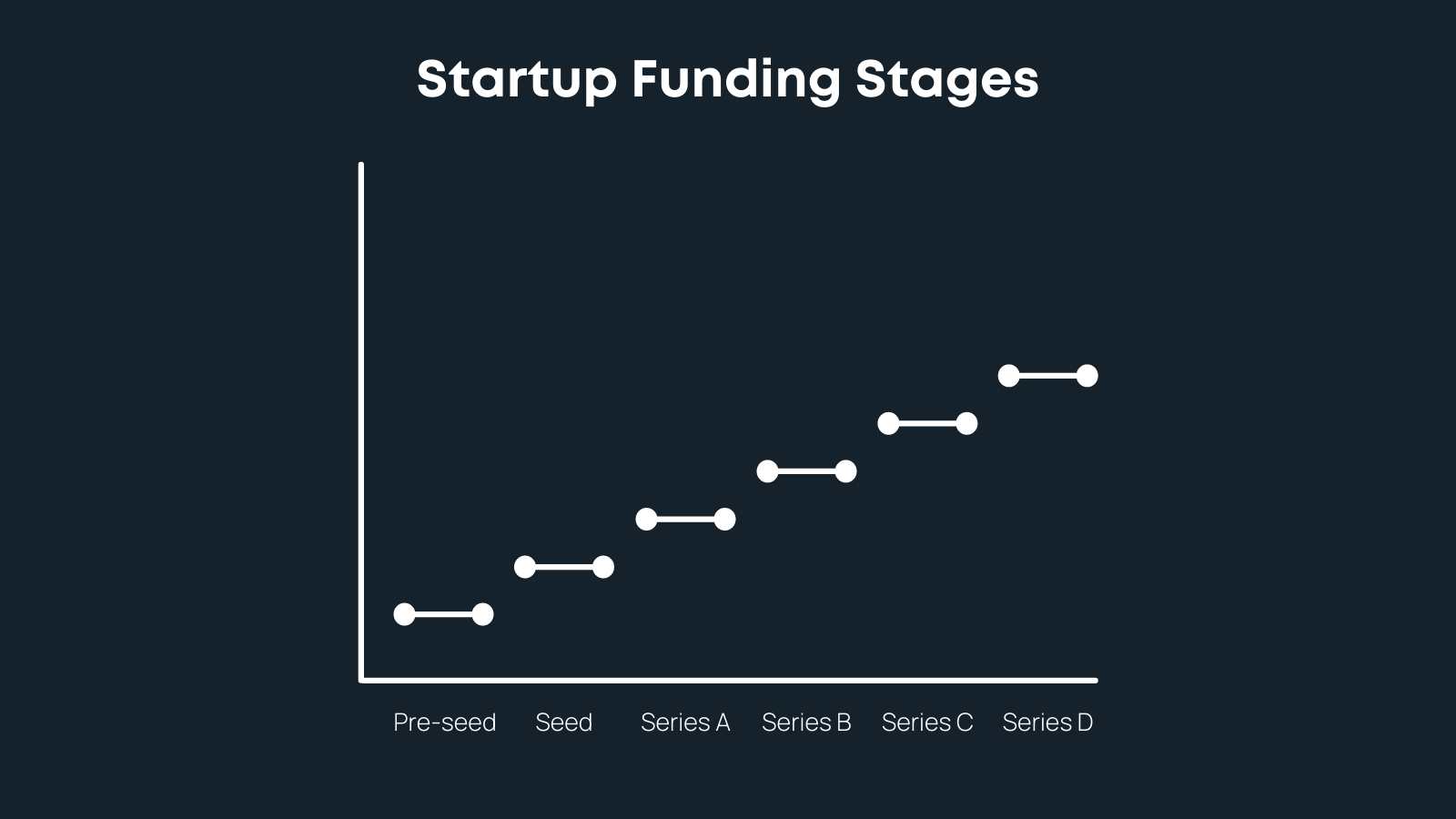
Pre seed and early stage money flows are returning across the Indian startup ecosystem as investors refocus on foundational innovation, disciplined execution and sustainable growth. The shift indicates a reset in how startups are built, funded and scaled after a period of market correction and tighter investment cycles.
Investor sentiment stabilises and early capital returns
Investor sentiment has stabilised after several quarters of caution. The return of pre seed and early stage funding reflects renewed confidence in young founders and problem solving ideas. During the funding slowdown, investors prioritised profitability and governance, leaving less room for experimental ventures. In 2025, stronger macro signals and improving exit visibility have reopened early stage investment channels.
Micro VCs, accelerators and angel networks are increasing cheque sizes for first time founders. Their focus has shifted toward companies with clear use cases, verifiable demand and lean cost structures. Startups that demonstrate early market validation with smaller budgets stand out as investors now value capital efficient models.
This resurgence marks the beginning of a broader ecosystem reset. The earlier cycle rewarded rapid scale and burn. The current cycle rewards frugality, clarity and execution strength. Founders who adapt to this shift will build more resilient businesses.
Why early stage financing models are gaining traction
Early stage financing models are gaining traction because they allow investors to enter at favourable valuations and nurture companies before competition intensifies. Pre seed investments offer higher long term upside and create deeper partnerships between founders and investors.
Funds dedicated to early stage ventures often include hands on support such as product mentorship, go to market planning and leadership training. These resources help founders avoid early missteps and build structured operations. As compliance and financial governance have become central expectations, early stage support ensures startups align with regulatory norms from the start.
The return of smaller cheques also encourages wide experimentation. Markets such as climate tech, health tech, AI tooling, vernacular content and small business automation offer multiple avenues for early innovation. Investors prefer entering these categories early to shape founders’ journeys and maximise future value.
Shift in founder behaviour and operational discipline
Founder behaviour has evolved significantly. During previous high liquidity phases, many teams scaled prematurely without proving unit economics. The reset has encouraged more disciplined approaches to hiring, customer acquisition and product development.
Founders now prioritise profitability timelines and realistic growth plans. Stronger focus on core problem solving has reduced spending on costly expansions. Early customers are treated as strategic partners, helping teams refine offerings faster.
Operational discipline also extends to financial planning. Startups are adopting structured budgeting systems and clearer reporting frameworks. These shifts reduce investor risk and create transparency that strengthens future fundraising cycles. Next generation founders who embrace disciplined systems attract more interest during pre seed evaluations.
Rise of non metro founders and diversified innovation
The return of early stage capital is supporting the rise of non metro founders who often operate in cost efficient environments. Founders in Tier 2 and Tier 3 cities are launching startups in domains such as mobility, agriculture, logistics, retail tech and regional fintech. These sectors require strong local insights that metro founders may not possess.
As investors broaden geographic focus, capital is flowing into emerging hubs where infrastructure upgrades and remote work models make startup building viable. Angel networks and regional accelerator programs are enabling first generation entrepreneurs to access mentorship and initial capital without relocating.
Diversified innovation also reflects the needs of India’s broader economy. Solutions that address rural supply chain issues, small business digitisation and regional commerce have high adoption potential. Early stage investors see value in backing founders who understand these markets firsthand.
Why ecosystem reset positions startups for long term stability
A reset typically follows periods of excess. The current shift positions startups for long term stability by encouraging sustainable growth and reducing dependency on frequent funding rounds.
With capital returning at the earliest stages, more founders can test ideas thoroughly before committing to scale. This reduces the likelihood of costly pivots at later stages. Well structured early operations also attract global investors who value disciplined execution.
The reset strengthens public market prospects for future IPO candidates. Companies built with solid foundations, predictable revenue streams and strong governance are more likely to succeed in the long term. The ecosystem thus becomes more credible and globally competitive.
Takeaways
Pre seed and early stage funding is returning after a cautious period
Investors prefer disciplined, capital efficient models with validated demand
Non metro founders gain visibility as early capital decentralises
The ecosystem reset encourages long term stability and stronger governance
FAQs
Why is early stage funding making a comeback
Investors see improved market stability, better exit opportunities and stronger founder discipline, all of which support early stage deployment.
How is founder behaviour changing in the new cycle
Founders are focusing on profitability, lean operations and core customer needs rather than aggressive expansion.
Are smaller cities benefiting from the funding resurgence
Yes, regional founders are attracting early stage capital due to strong cost advantages and deeper understanding of local markets.
What does the reset mean for future startups
It sets a foundation for sustainable growth, better governance and more scalable companies that can attract long term capital.












Leave a comment