


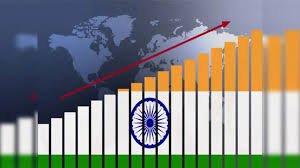
Private sector growth slows to 10 month low as recent activity indicators point to weakening momentum across manufacturing and services. The slowdown has triggered fresh debate on India’s economic outlook for 2026, especially for businesses, employment, and investment sentiment outside major metros.
Private sector growth slows to 10 month low at a time when businesses were expecting a steadier recovery. Recent data shows a visible cooling in new orders, output expansion, and hiring intentions across large and small firms. While the economy is not contracting, the pace of expansion has moderated enough to raise questions about demand strength going into 2026.
What the 10 month low in private sector growth signals
The slowdown reflects softer demand conditions rather than a structural breakdown. Both manufacturing and services reported slower expansion compared to earlier months. New business inflows have eased, particularly from export oriented segments and discretionary domestic spending.
Rising input costs, cautious consumer behavior, and tighter financial conditions have played a role. Businesses are seeing longer sales cycles and more price sensitive customers. For many firms, especially in Tier 2 and Tier 3 cities, growth has shifted from expansion mode to consolidation mode.
Manufacturing activity shows visible cooling
Manufacturing output growth has slowed as factories adjust production schedules to align with demand. Sectors linked to consumer durables, construction materials, and light engineering have seen reduced order inflows.
Inventory levels remain manageable, but firms are cautious about building stock ahead of clearer demand signals. Capital expenditure plans have not been cancelled, but timelines are being pushed forward. Smaller manufacturers dependent on domestic markets are more affected than export heavy units.
Services sector growth loses momentum
Services, which had been a key driver of growth, are also seeing moderation. Segments such as retail, logistics, hospitality, and professional services reported slower expansion in recent months.
Consumer facing services are feeling the impact of cost of living pressures and cautious household spending. Corporate services are affected by delayed decision making and tighter budgets. However, essential services and technology led offerings remain relatively stable compared to discretionary segments.
Employment and hiring trends soften
Slower private sector growth is translating into cautious hiring behavior. Companies are prioritizing productivity and cost control over headcount expansion. While layoffs are not widespread, fresh hiring has slowed, particularly for entry level and non critical roles.
In Tier 2 and Tier 3 cities, this trend affects local job markets more visibly. MSMEs and service providers are opting for flexible staffing and contract based work rather than permanent additions. Wage growth remains selective and performance linked.
Financial conditions and cost pressures
Higher borrowing costs continue to weigh on private sector sentiment. Although interest rates have stabilized, the cumulative impact of past tightening is still being felt. Access to affordable credit remains uneven, especially for small businesses.
Input cost pressures have eased in some areas but remain elevated in energy, logistics, and imported components. Companies are focusing on margin protection through efficiency improvements rather than aggressive pricing increases.
What this means for India’s economic outlook in 2026
The 10 month low in private sector growth suggests that 2026 may begin on a cautious note. Economic growth is expected to remain positive, but not without challenges. Consumption recovery will depend on inflation trends, income growth, and employment stability.
Investment activity is likely to continue selectively, led by infrastructure, manufacturing scale up, and technology driven sectors. However, broad based private capex may take longer to accelerate unless demand visibility improves.
Policy expectations and business sentiment
Businesses are looking for policy continuity and targeted support rather than broad stimulus. Faster government spending, smoother credit flow to MSMEs, and infrastructure execution are seen as key stabilizers.
Export competitiveness, supply chain resilience, and domestic demand revival will shape sentiment over the next few quarters. Companies are planning conservatively, focusing on balance sheet strength and operational efficiency.
Is the slowdown a warning sign or a pause
While the slowdown warrants attention, it does not signal a crisis. India’s economy continues to benefit from structural drivers such as urbanization, digital adoption, and manufacturing diversification.
The current phase appears to be a pause after a period of strong expansion. The key risk lies in prolonged demand weakness rather than short term volatility. If global conditions stabilize and domestic consumption improves, private sector growth could regain momentum during 2026.
Takeaways
Private sector growth has slowed to its weakest pace in ten months
Manufacturing and services both show signs of demand moderation
Hiring and investment decisions have turned cautious, not contractionary
Economic growth in 2026 remains positive but faces near term headwinds
FAQs
What does a 10 month low in private sector growth mean
It indicates that business activity is still expanding but at a slower pace compared to previous months.
Are jobs at risk due to slower private sector growth
Widespread job losses are unlikely, but hiring has slowed and companies are becoming selective.
Which sectors are most affected
Consumer facing manufacturing and services segments are feeling the slowdown more than essential and export focused sectors.
Will growth improve in 2026
Growth could improve if demand strengthens, inflation eases, and financial conditions become more supportive.









Leave a comment