

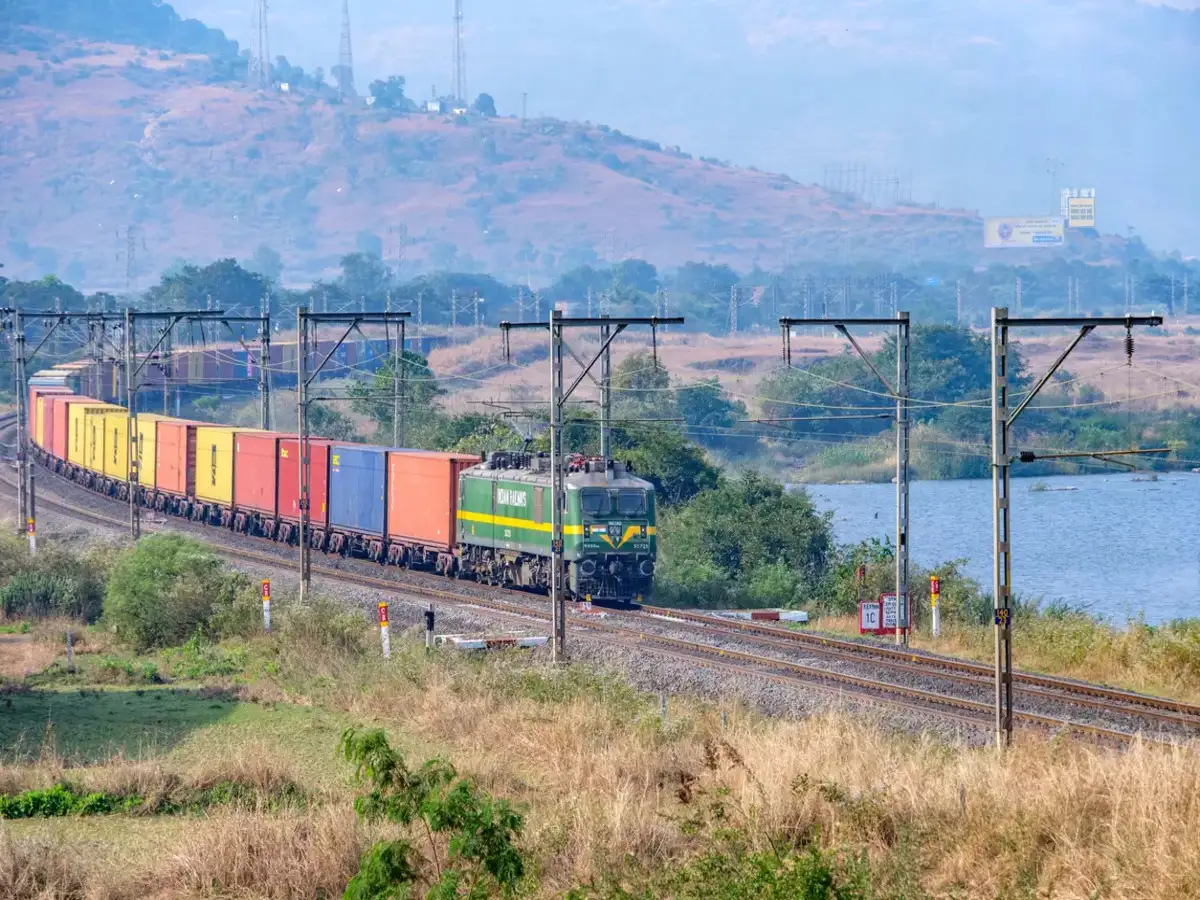
Railways parcel business reforms are a time sensitive policy development aimed at reviving freight volumes and improving last mile logistics across India. The relaxed norms directly affect regional logistics players, small transporters, and local businesses that depend on cost efficient cargo movement.
Short summary
Indian Railways has eased parcel business norms to attract higher freight volumes and improve utilisation of its vast network. The changes are expected to lower entry barriers for regional logistics players, improve connectivity for Tier 2 and Tier 3 markets, and reduce dependence on road transport.
What the railways parcel business reforms include
The railways parcel business reforms focus on simplifying booking procedures, relaxing volume commitments, and allowing more flexibility in parcel aggregation. Earlier, parcel services were often structured around bulk contracts that favoured large logistics companies. The new framework allows smaller players to book space with fewer procedural hurdles and reduced minimum load requirements. Railways has also streamlined documentation and made scheduling more predictable, which improves planning for businesses moving time sensitive goods. These steps signal a shift from a rigid, centralised model to a more market responsive parcel logistics approach.
Why Indian Railways is pushing parcel reforms now
Indian Railways is under pressure to improve non fare revenue while reducing congestion on road networks. Parcel services offer higher margins compared to bulk commodities like coal and iron ore. At the same time, road freight costs have risen due to fuel prices, tolls, and compliance expenses. By reforming parcel norms, railways aims to capture a larger share of small and medium cargo movements that currently rely on trucks. The policy also aligns with broader government goals of improving logistics efficiency and reducing carbon emissions from transport.
Impact on regional logistics players
For regional logistics players, the railways parcel business reforms reduce structural disadvantages. Small operators in Tier 2 and Tier 3 cities often lack the scale to meet earlier volume thresholds. With relaxed norms, they can now aggregate parcels from multiple clients and move them via rail without committing to large contracts. This improves margins and expands service coverage. Courier firms, agri logistics operators, and MSME focused transporters stand to gain the most. Rail based parcel movement also allows regional players to compete with national logistics brands on price for medium distance routes.
Benefits for local industries and small businesses
Local industries such as textiles, auto components, handicrafts, and processed food depend on reliable and affordable logistics. Rail parcel reforms lower freight costs for non bulk goods, making it viable to serve distant markets without raising product prices. Small manufacturers in industrial clusters can dispatch goods in smaller lots instead of waiting to accumulate truckload volumes. This improves cash flow and reduces inventory holding time. For agricultural producers, especially in perishables with longer shelf life, rail parcels provide a safer and more economical alternative to road transport.
Operational and infrastructure challenges to watch
While the policy intent is positive, execution will determine outcomes. Parcel handling infrastructure varies widely across stations. Smaller stations may lack mechanised loading facilities or dedicated parcel sheds. Coordination between booking offices, train schedules, and last mile delivery partners remains critical. Regional logistics players will need to invest in planning and tracking systems to fully leverage rail services. Any delays or inconsistencies could offset cost advantages. Capacity constraints during peak seasons also need careful management to avoid crowding out regular passenger operations.
Long term implications for India’s logistics ecosystem
Railways parcel business reforms could gradually rebalance India’s freight mix by shifting suitable cargo from roads to rail. This benefits the economy through lower logistics costs and reduced highway congestion. Over time, better parcel volumes may justify investments in dedicated parcel trains and upgraded terminals. For regional logistics players, early adoption creates an opportunity to build rail centric service models and lock in clients before competition intensifies. The reforms also encourage collaboration between railways and private operators, which could reshape how goods move across non metro India.
Takeaways
Relaxed railways parcel norms lower entry barriers for regional logistics players
Small businesses gain access to cheaper and more predictable freight options
Rail based parcel movement can reduce dependence on high cost road transport
Execution quality will determine how widely the benefits are realised
FAQs
What are railways parcel business reforms aimed at
They are designed to simplify booking, reduce volume constraints, and attract more parcel traffic to rail transport.
Who benefits the most from these reforms
Regional logistics players, MSMEs, courier companies, and small manufacturers in Tier 2 and Tier 3 cities benefit the most.
Will rail parcel services replace road logistics
No. Rail parcels complement road transport, especially for medium and long distance routes where cost efficiency matters.
Are these reforms permanent
The changes are policy driven and may evolve based on demand, performance, and operational feedback.












Leave a comment