

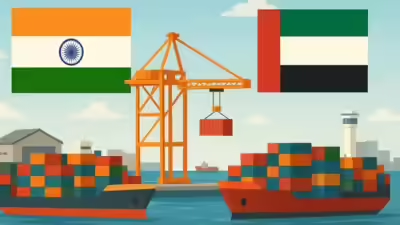
India UAE CEPA revisions have introduced new terms that affect small exporters and gold trading hubs in Tier 2 and Tier 3 towns. The updated framework aims to streamline trade, improve transparency and reduce misuse of tariff benefits, which directly influences sectors that rely on predictable import and export cycles.
India and the UAE modified specific provisions in the Comprehensive Economic Partnership Agreement after a technical review. The changes focus on gold import procedures, data sharing, quota management and checks on tariff arbitrage. Since a large portion of India’s jewellery manufacturing and gold processing activity sits outside metros, the adjustments carry measurable implications for smaller commercial clusters.
What The New CEPA Terms Change For Gold Trade
Gold imports form a significant component of CEPA related activity. Under the revised terms, India and the UAE will operationalise a data exchange mechanism to verify shipments and prevent the misuse of quotas. Import quota utilisation will be tracked more closely and future allocations are expected to remain aligned with domestic demand patterns.
For gold trading hubs in towns such as Rajkot, Coimbatore, Thrissur, Amritsar and parts of Rajasthan, this additional layer of monitoring adds predictability. These regions rely on steady bullion inflow for manufacturing jewellery that eventually moves to export markets or domestic retail networks. Clarity on quotas helps manufacturers plan inventory and protect margins from sudden price swings caused by administrative uncertainty. The shift also helps reduce discrepancy driven arbitrage that previously placed smaller wholesalers at a disadvantage.
Impact On Small Exporters Using CEPA Benefits
While CEPA opened tariff reductions for several product categories, many small and medium exporters had struggled with documentation, country of origin rules and compliance requirements. The revised framework emphasises stricter validation of origin certificates and improved digital exchange of commercial data between authorities on both sides.
Stricter validation raises the compliance bar but also improves the credibility of goods entering the UAE under preferential tariffs. For small exporters in textile, engineering goods, food processing and handicrafts clusters in Surat, Jaipur, Ludhiana, Moradabad and Tiruppur, credibility matters because the UAE often acts as a gateway to wider GCC markets. Better compliance from India strengthens long term trade relationships and reduces the risk of consignments facing delays at ports.
Exporters who manage structured documentation and meet origin requirements gain a cleaner path to tariff benefits. Those who earlier relied on fragmented paperwork or intermediaries may need to upgrade processes but can expect improved market access once these systems settle.
Why Tier 2 And Tier 3 Towns Feel The Impact Strongly
A large percentage of India’s micro and small enterprises operate outside metropolitan zones. These firms depend on predictable trade rules to manage working capital cycles. Even small regulatory adjustments can influence cash flows, export pricing and contract timelines.
Gold processing and jewellery manufacturing units in Tier 2 cities work on narrow margins. Predictable import costs reduce pressure on artisans and reduce risk for wholesalers who supply domestic and export retailers. Similarly, small exporters benefit from better rule clarity because they typically do not have legal teams or advanced logistics support. Transparent procedures reduce hidden operational costs and help them quote competitive prices.
The revised CEPA norms also align with the broader objective of distributing trade gains beyond major hubs. When documentation standards improve, smaller enterprises that maintain compliant operations gain a relative advantage. Larger exporters already possess advanced systems, but smaller firms stand to benefit more from simplified and digitised compliance pathways.
Opportunities And Challenges Ahead
The opportunities stem from improved trust between both countries and better oversight of high value commodities like gold. A cleaner system improves long-term trade stability and supports manufacturers planning expansion. However, challenges remain in the form of costlier compliance, need for technology adoption and adaptation to new digital procedures.
Gold trading hubs will need to monitor quota announcements closely and align import planning with updated tracking systems. Exporters must upgrade internal processes to ensure they meet enhanced origin verification norms. Those who scale these requirements early gain preferential access and more reliable turnaround times in UAE markets.
Takeaways
Revised CEPA terms add transparency to gold import quotas and help stabilise supply for smaller manufacturing hubs.
Stricter origin verification supports long term credibility of Indian exports entering UAE and GCC markets.
Tier 2 and Tier 3 exporters benefit from clearer procedures but must upgrade documentation and compliance systems.
Gold trading towns gain predictability on inventory planning which helps protect margins for small manufacturers.
FAQs
What changes in CEPA affect gold traders the most
Stricter quota tracking and data sharing between India and the UAE make gold imports more predictable and reduce misuse. This improves planning for jewellery manufacturers in smaller towns.
How do small exporters benefit from the revised rules
Better clarity on documentation, origin certification and tariff eligibility helps compliant exporters secure faster clearances and reliable access to UAE markets.
Does the revised CEPA increase compliance burden
Yes, compliance requirements rise slightly, but long term benefits include improved trust, reduced delays and better market access for structured exporters.
Why are Tier 2 and Tier 3 towns more affected
Most small exporters and gold manufacturing clusters are located outside metros, so any change in trade procedures directly affects their working capital, pricing and inventory cycles.












Leave a comment