

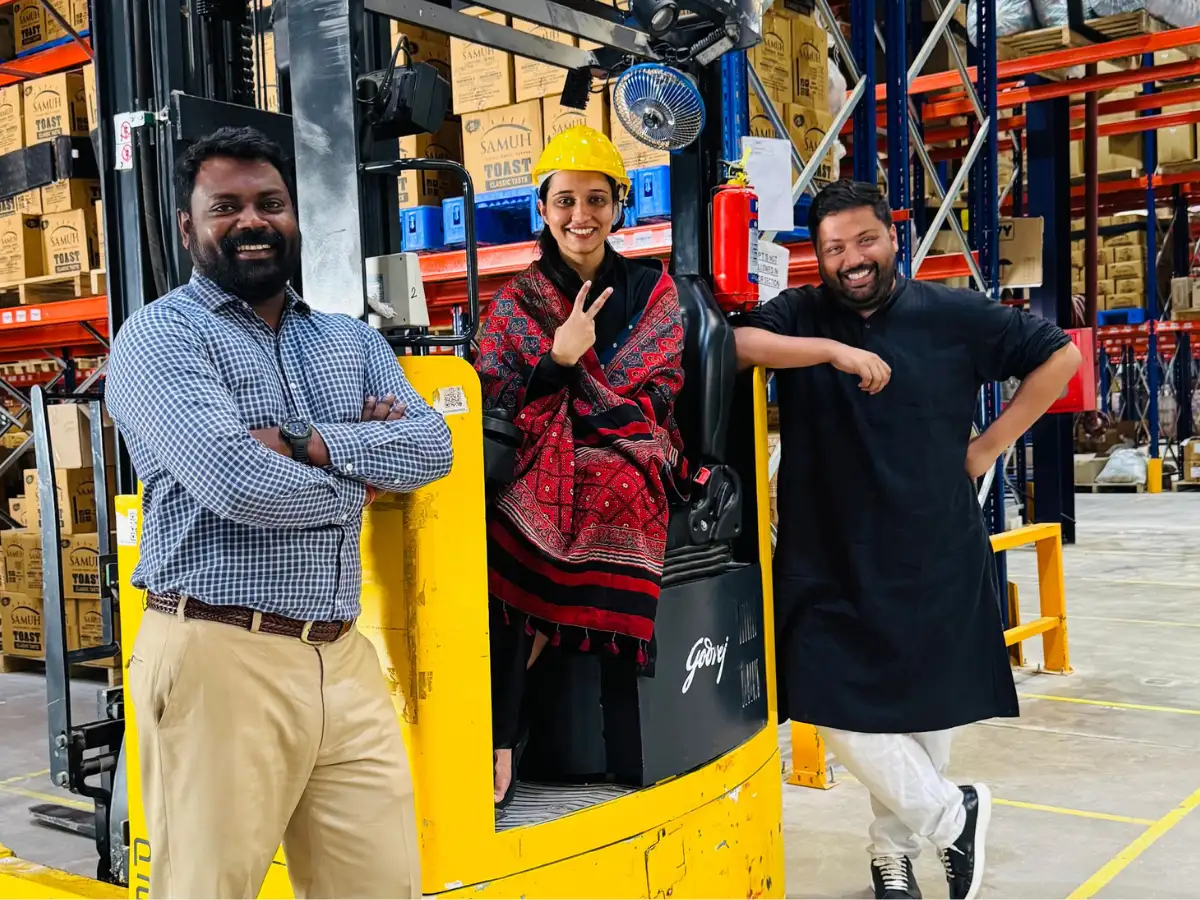
India’s rural commerce startup Rozana is reportedly approaching a $200 million valuation after securing fresh investment. The funding reflects growing investor interest in rural supply chains and digital commerce platforms serving small towns and villages across India.
India’s rural commerce startup Rozana is gaining attention in the venture capital ecosystem after reports that the company is nearing a $200 million valuation following a new funding round. The development highlights rising investor confidence in rural commerce platforms that focus on connecting manufacturers and suppliers directly with rural retailers and consumers.
Founded to modernize rural supply chains, Rozana operates a digital commerce platform designed for small retailers and community group buying networks. The startup aims to address inefficiencies in rural distribution by aggregating demand from villages and small towns and linking them with large suppliers.
Rural Commerce Platforms Attract Venture Capital Interest
The fresh investment in Rozana reflects a broader trend in venture capital funding where investors are increasingly exploring rural commerce opportunities. India’s rural market represents a large consumption base, with nearly two thirds of the population living outside major metropolitan cities.
Traditional distribution networks in rural areas often rely on multiple intermediaries, leading to higher costs and limited product availability. Rural commerce platforms attempt to solve this problem by digitizing supply chains and enabling group buying models.
Rozana has built its business model around community driven commerce. The platform works with local leaders or micro entrepreneurs who collect orders from villages and place bulk purchases through the app. This system allows companies to distribute products more efficiently while providing lower prices to rural consumers.
The model has gained traction among venture capital investors who see significant growth potential in rural markets.
Rozana’s Business Model and Rural Supply Chain Strategy
Rozana focuses on aggregating demand from rural households and retailers through community buying networks. Instead of relying solely on individual online orders, the platform organizes group purchases within villages. This approach reduces logistics costs and increases order volumes.
Local community leaders play a central role in the system. These leaders act as coordinators who gather orders from households, place bulk orders through the Rozana platform, and distribute products when deliveries arrive. The model combines elements of social commerce, rural distribution, and digital marketplaces.
The company works with fast moving consumer goods brands and suppliers to ensure product availability in rural markets. By reducing intermediaries in the supply chain, the platform aims to deliver goods at lower prices compared with traditional retail channels.
For suppliers and consumer brands, platforms like Rozana provide a direct route into underserved rural markets where distribution has historically been fragmented.
Why Investors Are Betting on Rural Commerce Startups
The growing valuation of Rozana signals strong investor interest in startups that target rural consumption. According to industry estimates, rural India accounts for a substantial share of national consumption in categories such as packaged food, personal care, and household goods.
Digital infrastructure improvements are also accelerating rural commerce growth. Increasing smartphone penetration, improved mobile internet connectivity, and the expansion of digital payment systems have made it easier for rural consumers to participate in online commerce.
Government initiatives focused on digital inclusion and rural entrepreneurship have further strengthened this trend. As more rural communities gain access to digital services, startups that can build scalable distribution networks in these regions are attracting venture capital funding.
Investors believe that companies operating in rural commerce can unlock new demand by bridging the gap between manufacturers and rural buyers.
Competition in India’s Rural Commerce Ecosystem
Rozana is not the only startup targeting rural distribution and digital commerce. Several companies are experimenting with similar models to reach small town and village markets.
Some startups focus on rural retail networks, helping small kirana stores source inventory directly from suppliers. Others use social commerce or community buying models to aggregate demand from local communities.
Large ecommerce companies are also expanding their presence in rural markets through logistics partnerships and regional distribution centers. However, rural focused startups often have an advantage because they design their products and logistics systems specifically for smaller towns and villages.
By building networks of local coordinators and community groups, platforms like Rozana are able to operate effectively in regions where traditional ecommerce delivery models may struggle.
What Rozana’s Valuation Means for the Startup Ecosystem
The news that Rozana is approaching a $200 million valuation highlights a shift in India’s startup ecosystem. For many years, venture capital investment concentrated heavily on urban consumer apps and fintech platforms.
However, investors are now paying closer attention to startups that address real world supply chain challenges and underserved markets. Rural commerce platforms fall into this category because they attempt to modernize a large but fragmented sector.
If the current funding momentum continues, rural commerce could become a major investment theme in the coming years. Startups that successfully build reliable supply chains, strong community networks, and scalable logistics infrastructure may see increasing investor interest.
Rozana’s growth suggests that rural focused business models can attract substantial capital when they demonstrate traction and market demand.
Takeaways
Rozana is nearing a $200 million valuation after raising fresh funding, highlighting investor interest in rural commerce startups.
The company uses a community group buying model to aggregate rural demand and improve supply chain efficiency.
Rural commerce platforms are attracting venture capital as digital adoption grows in small towns and villages.
India’s large rural consumption market presents a major opportunity for startups focused on distribution and digital commerce.
FAQs
What is Rozana?
Rozana is an Indian rural commerce startup that connects suppliers with rural consumers and retailers through community group buying networks and digital platforms.
Why are investors interested in rural commerce startups?
Investors see strong growth potential in rural markets due to rising consumption, increasing smartphone penetration, and improvements in digital payments and connectivity.
How does Rozana’s business model work?
The platform aggregates orders from villages through local coordinators who collect demand and place bulk orders with suppliers using the Rozana app.
What does Rozana’s valuation indicate about the startup ecosystem?
The rising valuation suggests that venture capital investors are increasingly focusing on startups that address supply chain challenges and rural market opportunities.











Leave a comment