

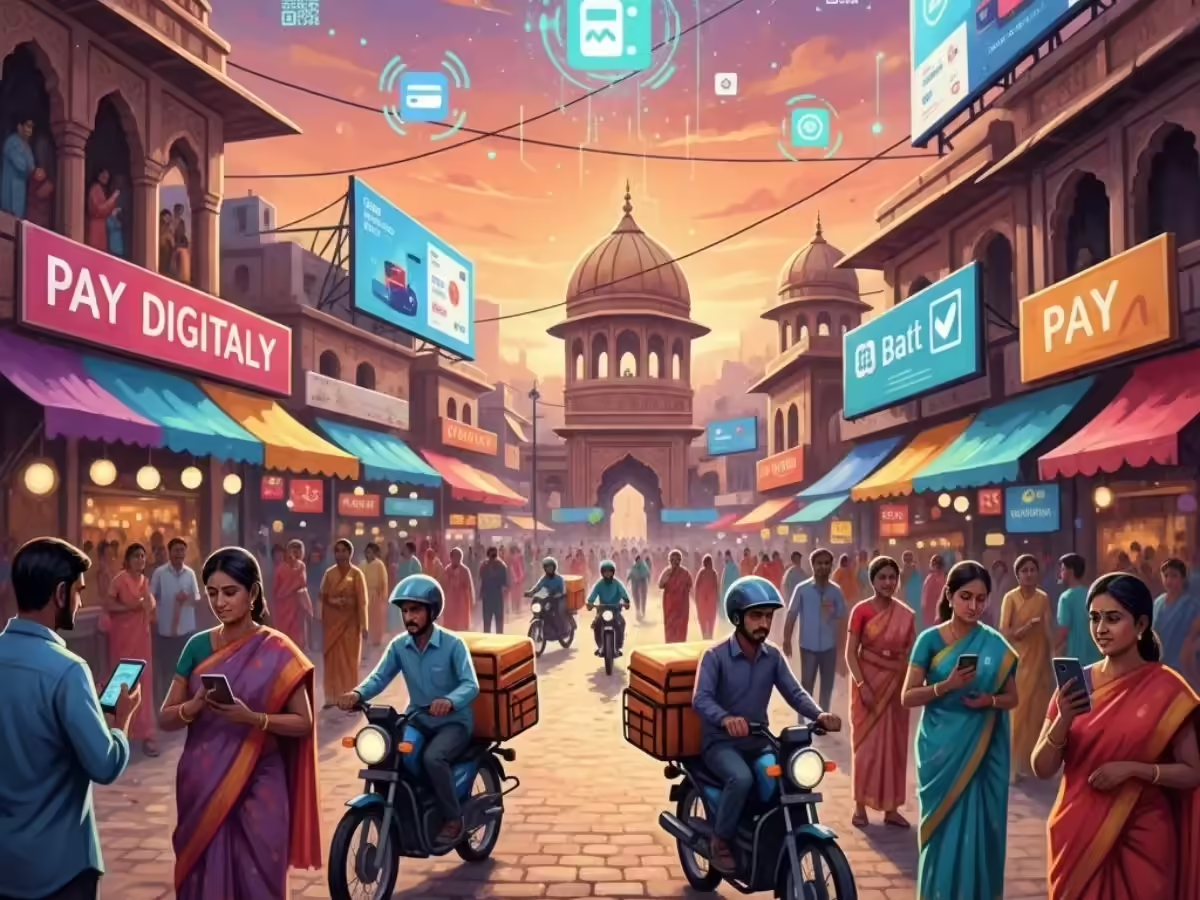
Rural India is emerging as a critical growth engine for small and medium enterprises, supported by improved connectivity, digital adoption, and policy support. This shift is opening new opportunities for businesses to scale beyond urban markets and tap into underserved regions.
Rural India’s role in the next wave of SME expansion is becoming increasingly significant as businesses look beyond saturated urban markets. With rising demand, better infrastructure, and digital penetration, rural regions are now contributing actively to India’s small business growth story.
Rising Demand in Rural Markets Fuels SME Growth
One of the strongest drivers of SME expansion in rural India is the steady increase in consumption. Rural households are spending more on consumer goods, financial services, and digital products, creating new market opportunities for small businesses.
Government initiatives such as rural employment programs, direct benefit transfers, and agricultural support schemes have improved income stability in many regions. This has led to higher purchasing power and demand for goods and services.
Secondary keyword focus like rural market growth India highlights how consumption trends are shifting, making rural areas attractive for SME expansion.
Digital Penetration Transforming Rural Business Landscape
Digital adoption has played a major role in enabling SMEs to operate and expand in rural India. Affordable smartphones, low-cost internet, and digital payment systems have connected rural consumers and businesses to the broader economy.
Platforms like UPI have simplified transactions, while e-commerce and social commerce are allowing SMEs to reach customers beyond their immediate geography. Small businesses in rural areas are now leveraging digital tools for marketing, sales, and supply chain management.
This digital transformation is reducing the gap between urban and rural markets, making it easier for SMEs to scale operations.
Infrastructure Development Supporting Expansion
Infrastructure improvements are another key factor shaping rural SME growth in India. Better road connectivity, rural electrification, and logistics networks have made it easier for businesses to operate in smaller towns and villages.
Government programs focusing on rural infrastructure development have improved access to markets and reduced transportation costs. This has encouraged SMEs to set up manufacturing units and distribution networks closer to rural demand centers.
Secondary keyword focus like rural infrastructure SME growth India reflects how physical connectivity is enabling business expansion in non-metro regions.
Government Policies Encouraging Rural Entrepreneurship
Policy support has been crucial in promoting rural entrepreneurship. Schemes such as Mudra loans, Stand-Up India, and Startup India have provided financial assistance and incentives to small businesses in rural areas.
These initiatives aim to improve access to credit, encourage self-employment, and support micro-enterprises. State governments are also introducing localized policies to promote rural industries such as food processing, handicrafts, and agro-based businesses.
As a result, more entrepreneurs are emerging from rural backgrounds, contributing to the SME ecosystem.
Role of Agro-Based and Local Industries
Rural India has a strong base of agro-based and traditional industries that are now evolving into organized SME businesses. Sectors such as food processing, dairy, textiles, and handicrafts are seeing increased formalization and scale.
These industries benefit from proximity to raw materials and lower operational costs. With better access to markets and financing, rural SMEs are moving up the value chain and improving profitability.
This trend is also supporting local employment and reducing migration to urban areas.
Challenges Facing Rural SME Expansion
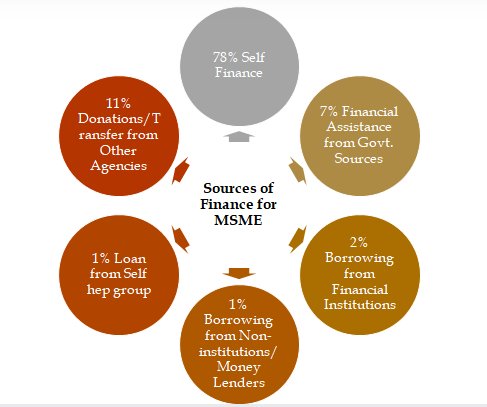
Despite the positive momentum, rural SMEs face several challenges. Limited access to formal credit, lack of skilled workforce, and lower awareness of regulatory requirements can hinder growth.
Supply chain inefficiencies and dependence on local markets also remain concerns for many businesses. While digital tools are helping bridge some gaps, there is still a need for capacity building and financial literacy programs.
Ensuring consistent policy implementation and improving access to institutional support will be key to overcoming these challenges.
What This Means for India’s Economic Growth
The growing role of rural India in SME expansion represents a shift toward more inclusive economic development. By enabling businesses to grow in non-metro regions, India can reduce regional disparities and create balanced growth.
For companies, rural markets offer untapped potential and long-term growth opportunities. For policymakers, the focus must remain on strengthening infrastructure, improving credit access, and supporting skill development.
Secondary keyword focus like inclusive growth SME India reflects how rural expansion is shaping the future of India’s economy.
Key Takeaways
- Rural India is becoming a major driver of SME expansion due to rising demand and digital adoption
- Improved infrastructure and policy support are enabling businesses to scale in non-metro regions
- Agro-based and local industries are playing a key role in rural economic growth
- Challenges such as credit access and skill gaps need to be addressed for sustained expansion
FAQs
Q1. Why is rural India important for SME expansion?
Rural India offers growing demand, lower costs, and untapped markets, making it attractive for small businesses.
Q2. How is digital technology helping rural SMEs?
Digital tools enable online payments, marketing, and access to wider markets, helping businesses scale efficiently.
Q3. What sectors are driving rural SME growth?
Agro-based industries, food processing, textiles, and handicrafts are key contributors.
Q4. What challenges do rural SMEs face?
Limited access to credit, skill shortages, and supply chain issues are common challenges.










Leave a comment