

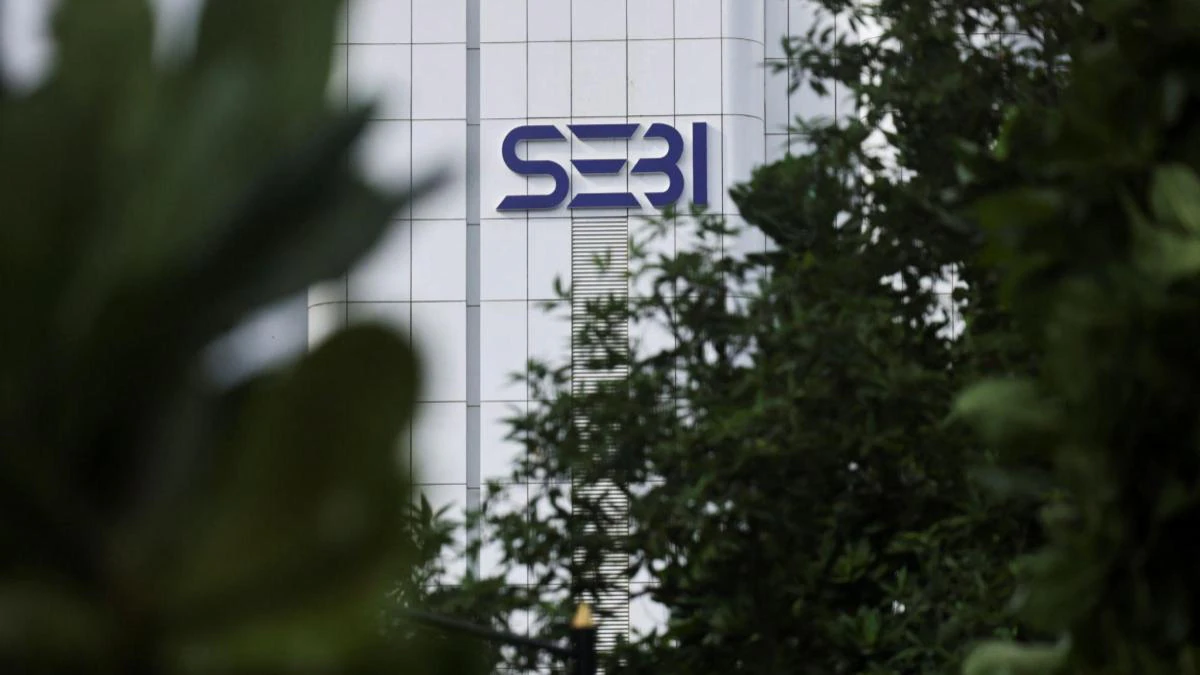
SEBI’s decision to extend IPO deadlines comes amid ongoing global economic uncertainty, offering relief to Indian companies planning public listings. The move is expected to help firms better time their market entry and manage valuation risks.
SEBI IPO Deadline Extension and Market Context
SEBI extending IPO deadlines is a time-sensitive regulatory response to volatile global conditions. Over the past year, equity markets have faced pressure from inflation concerns, geopolitical tensions, and fluctuating investor sentiment. These factors have directly impacted IPO activity in India.
Under existing rules, companies that receive SEBI approval for an IPO must launch within a fixed timeframe, typically 12 months. However, with unstable market conditions, many firms were at risk of missing this window or listing at unfavorable valuations.
By allowing extensions, SEBI is giving companies flexibility to wait for more stable market conditions. This ensures that businesses are not forced into premature listings that could impact both issuers and investors.
Impact on Indian Companies Planning IPOs
For Indian companies, especially startups and mid-sized firms, IPO timing plays a critical role in valuation and investor response. The extension reduces pressure on companies that had already filed draft red herring prospectuses but were delaying launches due to weak market sentiment.
Sectors such as technology, fintech, and new-age consumer brands are particularly sensitive to market cycles. Many of these companies depend on growth narratives and investor confidence, both of which can be affected during uncertain periods.
The extension allows such firms to recalibrate their strategies. They can focus on improving financial metrics, strengthening governance, and aligning valuations with realistic market expectations.
Global Uncertainty and IPO Market Trends
Global uncertainty has been a key driver behind cautious investor behavior. Rising interest rates in major economies, ongoing geopolitical conflicts, and uneven economic recovery have led to reduced risk appetite among institutional investors.
In this environment, IPO markets globally have seen slower activity compared to peak years. India has remained relatively resilient, but even domestic investors have shown selective participation.
SEBI’s move reflects an understanding of these external pressures. By aligning regulatory timelines with market realities, the regulator is attempting to maintain stability in the primary market ecosystem.
What It Means for Investors and Market Stability
From an investor perspective, the extension is a positive signal. It reduces the likelihood of rushed IPOs entering the market without adequate preparation or realistic pricing.
Historically, IPOs launched during volatile periods tend to underperform post-listing. This affects retail investor confidence and can lead to broader market caution.
By allowing companies to delay, SEBI is indirectly supporting better-quality listings. Investors can expect offerings that are more aligned with market conditions and backed by stronger fundamentals.
This also contributes to long-term market stability. A steady pipeline of well-prepared IPOs is preferable to a surge of poorly timed listings.
Broader Implications for India’s Capital Markets
The decision highlights SEBI’s evolving approach towards market regulation. Instead of rigid timelines, there is a shift towards adaptive policies that respond to changing economic conditions.
For India’s capital markets, this is significant. It reinforces the perception of a mature regulatory framework that balances issuer flexibility with investor protection.
In the long term, such measures can enhance India’s attractiveness as a listing destination. Companies may feel more confident about going public, knowing that regulatory support exists during uncertain periods.
This is particularly relevant as India aims to position itself as a global investment hub while supporting domestic entrepreneurship.
Takeaways
SEBI has extended IPO deadlines to address global market volatility
Companies now have flexibility to delay listings and protect valuations
Investors benefit from better-timed and more stable IPO offerings
The move strengthens confidence in India’s regulatory framework
FAQs
Why did SEBI extend IPO deadlines?
SEBI extended deadlines to help companies avoid listing during unfavorable market conditions caused by global uncertainty.
Who benefits from this decision?
Both companies planning IPOs and investors benefit, as it allows for better timing and more stable listings.
Does this affect all companies planning IPOs?
It mainly impacts companies that have already received approval but are yet to launch their IPO within the standard timeframe.
Will IPO activity slow down because of this?
In the short term, some delays may occur, but it can lead to stronger and more successful IPOs in the long run.









Leave a comment