

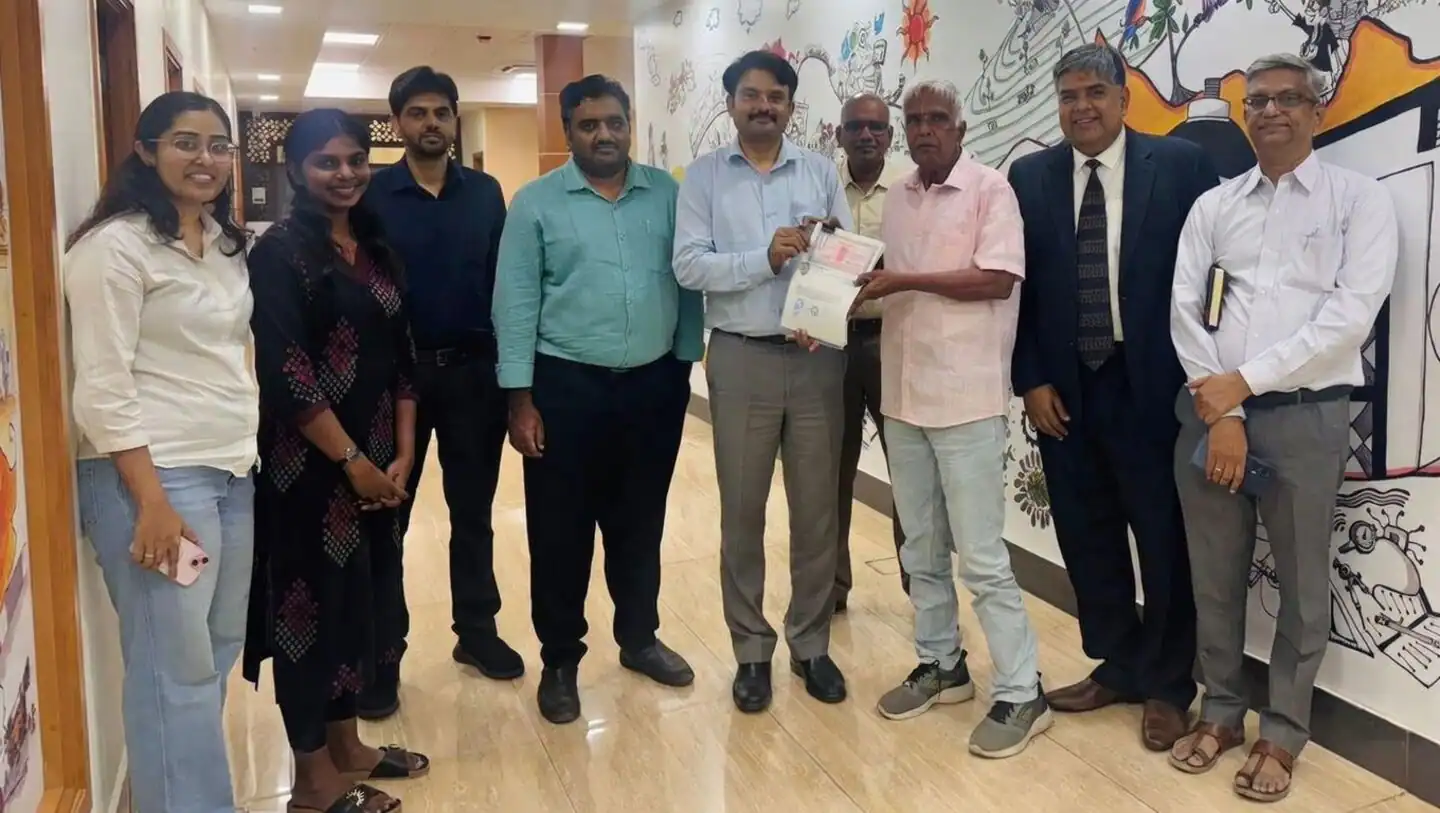
Semiconductor startup Aheesa has raised ₹20 crore from the Tamil Nadu Emerging Sector Seed Fund to accelerate chip design innovation. The investment highlights growing state government support for semiconductor startups as India works to strengthen its domestic electronics and semiconductor ecosystem.
Semiconductor startup Aheesa has secured ₹20 crore in funding from the Tamil Nadu Emerging Sector Seed Fund, signaling increasing public sector support for India’s semiconductor industry. The funding will help the company strengthen chip design capabilities, expand research activities, and develop semiconductor technologies aligned with India’s growing electronics manufacturing ambitions.
The investment reflects a broader effort by Indian states and the central government to encourage semiconductor innovation and reduce reliance on imported chip technologies.
Aheesa Funding from Tamil Nadu Emerging Sector Seed Fund
The Aheesa funding round marks an important development for the emerging semiconductor startup ecosystem in India. The Tamil Nadu Emerging Sector Seed Fund was created to support startups working in advanced technology sectors including semiconductors, deeptech, robotics, and electronics.
Through this funding program, the Tamil Nadu government aims to encourage innovation driven startups that can contribute to the state’s technology and manufacturing economy.
The ₹20 crore investment will help Aheesa accelerate product development and expand its engineering capabilities. Semiconductor startups often require significant investment in research, specialized design tools, and skilled engineering teams.
By providing early stage capital, the fund is helping technology entrepreneurs build solutions that could strengthen India’s semiconductor supply chain.
Semiconductor Innovation Becoming a National Priority
Semiconductor innovation has become a major focus for policymakers in India. Global supply chain disruptions in recent years exposed the risks of relying heavily on imported chips for electronics manufacturing.
Semiconductors are essential components in a wide range of products including smartphones, automobiles, consumer electronics, and industrial equipment. As India expands its electronics manufacturing sector, domestic semiconductor capabilities are becoming increasingly important.
The central government has launched several initiatives to promote semiconductor manufacturing and design. Incentive programs, financial support schemes, and partnerships with global technology companies are aimed at building a strong semiconductor ecosystem.
Startups like Aheesa play a crucial role in this strategy by developing chip design technologies that can support domestic innovation.
Role of Tamil Nadu in India’s Electronics Industry
Tamil Nadu has emerged as one of India’s leading electronics and manufacturing hubs. The state hosts several major electronics production facilities and attracts investments from global technology companies.
Cities such as Chennai, Coimbatore, and Hosur have strong industrial infrastructure and skilled engineering talent. This makes the region an attractive location for semiconductor design startups and electronics manufacturing companies.
The Tamil Nadu government has launched multiple initiatives to support advanced technology sectors including semiconductor design, electric mobility, and deeptech innovation.
Funding programs like the Emerging Sector Seed Fund are designed to nurture early stage startups that can contribute to the state’s technology ecosystem.
By supporting semiconductor startups, Tamil Nadu aims to strengthen its position as a key player in India’s electronics manufacturing value chain.
Importance of Semiconductor Design Startups
Semiconductor design startups focus on creating the architecture and functional design of computer chips used in electronic devices. While manufacturing chips requires expensive fabrication plants, chip design can be developed by specialized engineering teams using advanced software tools.
India already has strong expertise in semiconductor design services. Many global technology companies operate design centers in Indian cities, employing thousands of engineers.
Startups entering this field are attempting to build proprietary chip designs that can be used in sectors such as consumer electronics, automotive systems, telecommunications, and artificial intelligence applications.
Companies like Aheesa may contribute to building domestic intellectual property in semiconductor technologies. This can reduce reliance on foreign designs and support India’s long term technology independence.
Challenges for Semiconductor Startups in India
Despite growing support, semiconductor startups face several challenges. Developing advanced chip designs requires access to expensive software tools, specialized testing infrastructure, and highly skilled engineers.
In addition, semiconductor development cycles can be long and capital intensive. Startups may require multiple funding rounds before their technologies reach commercial deployment.
Access to semiconductor fabrication facilities can also be limited. Many startups rely on international foundries to manufacture their chip designs because domestic manufacturing capacity is still developing.
Government programs and state level initiatives therefore play a critical role in supporting early stage semiconductor innovation.
Future Outlook for India’s Semiconductor Ecosystem
The funding received by Aheesa reflects a broader shift toward strengthening India’s semiconductor ecosystem. With rising demand for electronics and digital technologies, the country is investing heavily in building domestic capabilities across the semiconductor value chain.
Startups, research institutions, and technology companies are all contributing to this effort. Semiconductor design innovation can help create new intellectual property and support the development of future technologies such as artificial intelligence, telecommunications infrastructure, and smart devices.
State government initiatives such as Tamil Nadu’s Emerging Sector Seed Fund demonstrate how regional policies can complement national programs focused on semiconductor development.
As more startups enter the semiconductor sector, India may gradually expand its role in the global electronics and chip technology industry.
Takeaways
Semiconductor startup Aheesa has raised ₹20 crore from the Tamil Nadu Emerging Sector Seed Fund.
The funding will support chip design innovation and engineering development.
Semiconductor technology has become a major priority for India’s industrial and technology policy.
State government programs are helping early stage deeptech startups access critical funding.
FAQs
What does semiconductor startup Aheesa do?
Aheesa focuses on semiconductor chip design technologies used in electronic devices and advanced computing systems.
What is the Tamil Nadu Emerging Sector Seed Fund?
It is a government backed funding program designed to support startups working in advanced technology sectors such as semiconductors, robotics, and deeptech.
Why is semiconductor development important for India?
Semiconductors are essential components in modern electronics. Developing domestic capabilities helps reduce dependence on imports and strengthens technology independence.
How can semiconductor startups benefit India’s economy?
Startups developing chip technologies can create intellectual property, generate high skilled jobs, and support the growth of India’s electronics manufacturing industry.












Leave a comment