

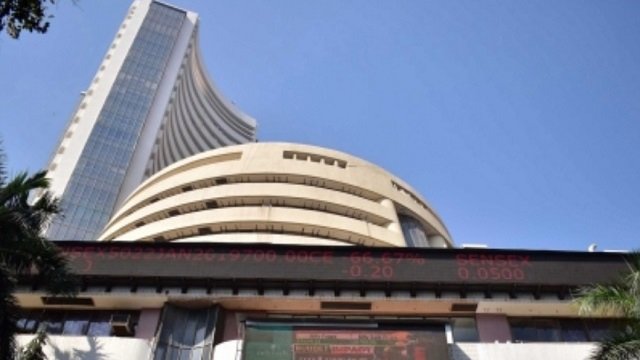
Indian stock markets opened higher with the Sensex trading close to 78,300 as investors remained cautiously optimistic despite global geopolitical concerns. Positive domestic cues and selective buying in banking and IT stocks helped markets hold gains during early trading hours.
The Sensex near 78,300 became the key market highlight as Indian equities opened higher despite geopolitical tensions affecting global markets. Investors balanced international uncertainty with strong domestic economic indicators and steady institutional inflows.
Indian stock market opens higher with Sensex near 78,300
The Sensex near 78,300 reflected resilience in the Indian stock market during early trading hours as benchmark indices opened in positive territory. The BSE Sensex gained modestly while the Nifty 50 also traded above key psychological levels.
Market participants remained cautious due to geopolitical tensions globally, particularly developments related to international conflicts and economic uncertainty. Despite these pressures, domestic equities showed relative strength compared with several global markets.
Banking and financial stocks played an important role in supporting the market. Major lenders and financial institutions saw buying interest as investors continued to focus on India’s strong credit growth and stable banking sector outlook.
Technology stocks also contributed to early gains as global demand for digital services remained stable. IT companies continue to benefit from long term outsourcing trends, even as short term currency and demand fluctuations influence valuations.
Global geopolitical tensions create cautious sentiment
Global geopolitical tensions remain a major factor influencing investor sentiment across financial markets. Conflicts and diplomatic disputes often lead to volatility in commodities, currencies and equities.
Recent developments in global geopolitics have increased uncertainty for investors worldwide. Such tensions typically trigger cautious trading behavior as investors reassess risk exposure across asset classes.
However, India’s equity markets have demonstrated relative resilience compared with some international markets. Strong domestic demand, improving corporate earnings and steady macroeconomic indicators have helped cushion the impact of global uncertainties.
Institutional investors often evaluate both global risks and domestic growth prospects before allocating capital. India continues to attract attention because of its large consumer market, expanding digital economy and ongoing infrastructure development.
Banking and financial stocks support market momentum
Banking and financial sector stocks have been key drivers of market momentum in recent months. Public and private sector banks have reported healthy loan growth supported by strong demand from retail borrowers and businesses.
The financial sector remains one of the most heavily weighted segments in Indian stock indices. As a result, movements in banking stocks often have a significant impact on overall market direction.
Improved asset quality and declining levels of non performing assets have strengthened investor confidence in the sector. Credit growth across retail loans, housing finance and small business lending continues to remain robust.
Analysts believe financial stocks may continue to attract investor interest because they directly benefit from India’s economic expansion. Strong balance sheets and improving profitability have also supported valuations.
Domestic economic factors remain supportive
Despite global uncertainty, several domestic factors continue to support Indian equity markets. Economic growth projections for India remain among the strongest globally, driven by consumption, infrastructure spending and government reforms.
The expansion of digital payments and financial inclusion has strengthened economic activity across urban and semi urban regions. Tier 2 and Tier 3 cities are increasingly contributing to consumption growth, which benefits multiple sectors including retail, banking and technology.
Government initiatives focused on manufacturing, infrastructure and startup innovation are also expected to support long term growth. These structural drivers help maintain investor confidence even during periods of global volatility.
Market experts often emphasize that while geopolitical risks can influence short term movements, domestic economic fundamentals play a larger role in long term market trends.
Investors remain cautious but optimistic
Investor behavior in the current market environment reflects cautious optimism. Market participants are closely monitoring global developments while continuing to track corporate earnings and economic data.
Foreign institutional investors sometimes reduce exposure during periods of geopolitical uncertainty, which can create short term volatility in emerging markets. However, domestic institutional investors and retail participants have increasingly helped stabilize Indian markets.
India’s growing retail investor base has become a significant factor in market liquidity. Systematic investment plans through mutual funds have created steady inflows into equities.
As a result, Indian markets often experience faster recoveries compared with earlier periods when global events had a stronger influence on local sentiment.
The performance of key sectors such as banking, technology, infrastructure and consumer goods will remain crucial in determining market direction in the coming weeks.
Takeaways
The Sensex opened near 78,300 as Indian markets showed resilience despite global geopolitical tensions.
Banking and financial stocks played a major role in supporting early market gains.
India’s strong domestic economic fundamentals continue to attract investor interest.
Growing participation from retail and domestic institutional investors is stabilizing market volatility.
FAQs
Why did the Sensex open near 78,300 despite global tensions?
Strong domestic economic indicators, stable banking sector performance and selective buying by investors helped Indian markets remain positive.
How do geopolitical tensions affect stock markets?
Geopolitical conflicts create uncertainty for investors, often leading to volatility in global markets, commodities and currencies.
Which sectors supported the market during early trading?
Banking, financial services and information technology stocks contributed significantly to early gains in the market.
Are Indian markets less affected by global events now?
Global developments still influence markets, but stronger domestic fundamentals and higher retail participation have improved resilience.












Leave a comment