


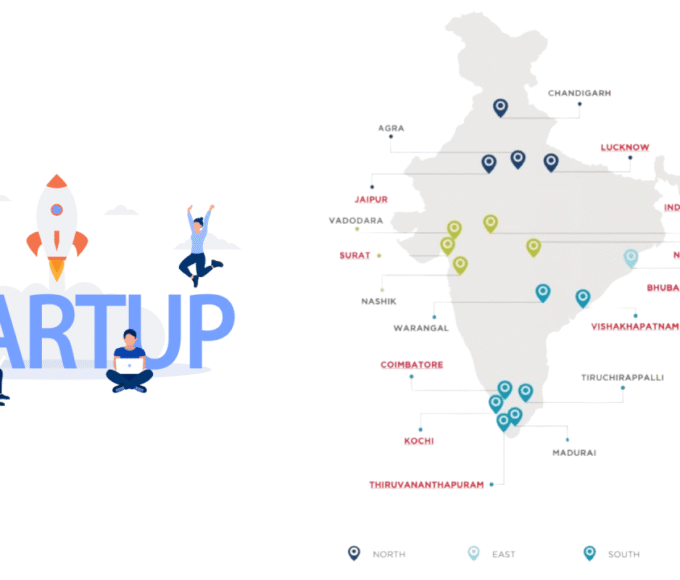
The business landscape in India is experiencing a significant shift, with more growth moving from major metropolitan cities to smaller towns and rural areas. This transition is fueled by changing consumer behaviors, improved infrastructure, and a growing middle class outside urban centers. For local entrepreneurs, this represents a new frontier for business opportunities, and understanding the dynamics of this shift is key to success. As smaller towns become increasingly important economic hubs, entrepreneurs must adapt to these evolving trends to capture emerging markets and stay competitive.
Why Growth is Shifting Beyond Metros
Several factors are driving the migration of business opportunities from metros to smaller towns. Firstly, the economic landscape in India has been evolving. With increased digital connectivity and the expansion of e-commerce platforms, even people in Tier-2 and Tier-3 towns now have access to a wide range of goods and services. This digital revolution has allowed businesses to tap into new, previously underserved markets where the demand for quality products and services is on the rise.
Additionally, government policies aimed at boosting rural and semi-urban development are playing a pivotal role. Initiatives like the Make in India campaign, which encourages manufacturing, and the Startup India initiative, which provides funding and mentorship to small businesses, have directly benefited small-town entrepreneurs. These policies not only improve infrastructure but also create incentives for businesses to set up operations outside large metros.
The Rise of the Middle Class in Small-Town India
The growing middle class in small towns is another critical factor behind the business boom. With improved access to education, rising incomes, and better employment opportunities, many individuals in smaller towns now have purchasing power that was once reserved for city dwellers. This shift is creating a more vibrant consumer base in Tier-2 and Tier-3 cities, which is enticing businesses to consider these areas for expansion.
In addition to the increased purchasing power, cultural shifts are also at play. Younger generations in these towns are more open to new trends, technologies, and modern business practices. They are not only consuming more but are also becoming active participants in shaping the local business environment through digital platforms. This makes these towns a fertile ground for businesses looking to target the next wave of consumers in India.
Opportunities for Local Entrepreneurs in Small-Town India
For local entrepreneurs, the boom in small-town businesses presents several key opportunities. The first is the potential to capture market share in sectors that are growing rapidly, such as retail, technology services, education, and healthcare. As these towns continue to urbanize and their consumer bases become more sophisticated, there is an increasing demand for modern retail stores, educational institutions, and healthcare facilities. Entrepreneurs who can meet these demands with innovative solutions will have a distinct advantage.
Moreover, as e-commerce and logistics networks expand into smaller towns, entrepreneurs can tap into these systems to launch online businesses. E-commerce platforms enable entrepreneurs to reach a broader audience without the need for a physical storefront. This is especially advantageous for businesses in towns that may not have the infrastructure to support traditional retail outlets but can thrive with an online presence.
Challenges and What Local Entrepreneurs Should Watch
While the growth potential is vast, local entrepreneurs must be mindful of several challenges. One of the biggest obstacles is competition from established players in urban markets who are increasingly targeting smaller towns. With the rise of e-commerce giants and larger retail chains expanding into these areas, smaller businesses may find it difficult to differentiate themselves.
Another challenge is the infrastructure gap. While the government has made strides in improving roads, electricity, and internet connectivity, some smaller towns still lack reliable services. Entrepreneurs must consider these factors when setting up operations to ensure they can meet customer expectations.
Lastly, understanding local preferences and cultural nuances is crucial. What works in a metro may not necessarily work in a smaller town. Local entrepreneurs must take the time to tailor their products and services to the needs of the community, offering personalized solutions that resonate with local tastes and values.
Takeaways
- The growth of small-town businesses is being driven by improved digital connectivity, government support, and the rise of the middle class.
- Small towns offer significant opportunities in sectors like retail, healthcare, education, and e-commerce.
- Entrepreneurs need to focus on understanding local consumer preferences and adapting to regional demands.
- Challenges such as competition from larger players and infrastructure limitations should be factored into business planning.
FAQs
Q: Why is business growth shifting beyond metropolitan cities?
A: Business growth is shifting due to improved digital access, rising incomes in small towns, government initiatives supporting regional development, and a growing consumer base outside of metros.
Q: What sectors offer the most opportunity for entrepreneurs in small towns?
A: Retail, healthcare, education, and e-commerce are some of the fastest-growing sectors in small towns, with increasing demand for modern services and products.
Q: What challenges do entrepreneurs face when operating in smaller towns?
A: Entrepreneurs face challenges like competition from larger companies, infrastructure gaps, and the need to understand and adapt to local consumer preferences and cultural nuances.
Q: How can local entrepreneurs stand out in growing small-town markets?
A: By offering personalized solutions, adapting to local needs, leveraging digital platforms, and ensuring consistent product quality, local entrepreneurs can successfully differentiate themselves.










Leave a comment