

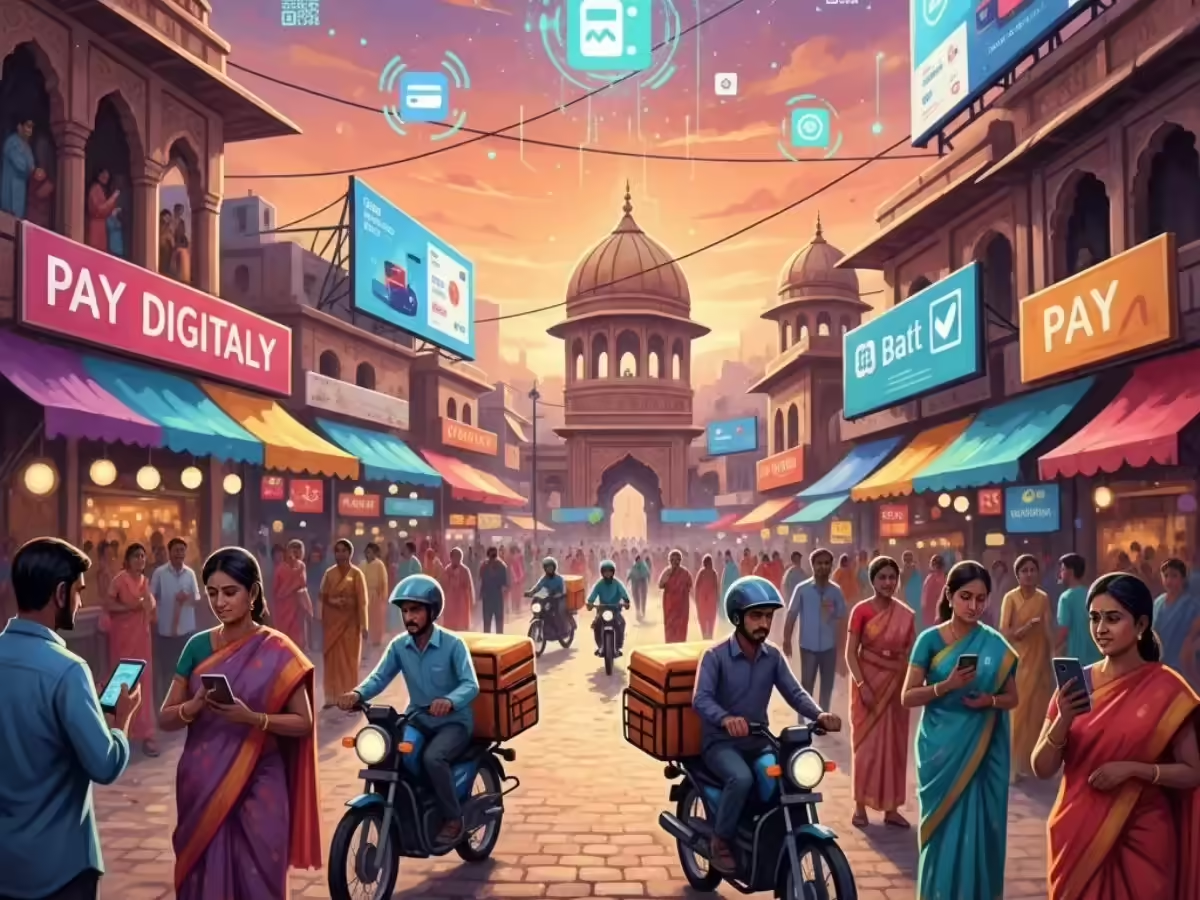
Small town India is emerging as a powerful growth engine for consumer brands in 2026. Rising incomes, rapid smartphone adoption, and expanding retail networks are pushing companies to prioritize Tier 2 and Tier 3 cities as key markets for long term expansion.
Small town India driving growth for consumer brands in 2026 is becoming one of the most significant shifts in the country’s consumer economy. Brands across sectors such as fashion, electronics, packaged food, and beauty products are seeing strong demand from Tier 2 and Tier 3 cities. These markets are benefiting from improved connectivity, rising disposable income, and wider access to digital platforms that enable consumers to discover and purchase branded products.
As a result, companies that previously focused mainly on metro cities are redesigning their distribution, marketing, and product strategies to serve smaller urban centers.
Rising Incomes in Tier 2 and Tier 3 Cities
Small town consumer growth is closely linked to rising income levels in non metro regions. Over the past decade, several Tier 2 cities such as Indore, Surat, Nagpur, Lucknow, and Coimbatore have experienced economic expansion driven by manufacturing, services, and infrastructure development.
Job opportunities in sectors such as information technology services, logistics, education, and retail have created a growing middle class in these regions. Government investments in highways, industrial corridors, and urban development projects have also supported economic activity.
As household incomes rise, spending patterns are evolving. Consumers in smaller cities are allocating more money toward lifestyle products, personal electronics, fashion apparel, and home improvement goods.
Many first time buyers in these markets are moving from unbranded products to recognized national and international brands.
Digital Commerce Expanding Access to Brands
Digital commerce growth has played a major role in connecting consumer brands with small town India. The expansion of affordable smartphones and low cost mobile internet has enabled millions of consumers to access e commerce platforms for the first time.
Online marketplaces such as Flipkart, Amazon India, and Meesho have invested heavily in logistics infrastructure that reaches smaller towns and semi urban areas. Faster delivery times and reliable payment systems have encouraged more consumers to shop online.
Digital payments have also accelerated adoption. Unified Payments Interface has made it easier for customers to complete transactions without relying on cash on delivery.
For consumer brands, online channels provide a cost effective way to reach customers in areas where physical retail presence may still be limited.
Retail Networks Expanding in Smaller Cities
Physical retail expansion remains an important part of the small town consumer growth story. Organized retail chains, franchise stores, and shopping malls are increasingly entering Tier 2 and Tier 3 markets.
Retailers are adapting store formats to suit local purchasing patterns. Smaller store footprints, region specific product selections, and competitive pricing strategies help brands appeal to local consumers.
For example, fashion retailers often introduce collections designed specifically for regional preferences. Electronics retailers may focus on entry level smartphones and home appliances that match local budgets.
Franchise models are particularly effective in smaller cities because local entrepreneurs can operate stores while benefiting from national brand recognition and supply chains.
Regional Marketing Strategies Becoming Essential
Brands targeting small town India are increasingly adopting localized marketing strategies. Advertising campaigns designed for metro audiences do not always resonate with consumers in smaller cities.
Regional language communication is therefore becoming a priority. Brands are investing more in advertising campaigns that use local languages, cultural references, and region specific storytelling.
Social media influencers from smaller cities are also playing an important role in brand promotion. Local creators often have stronger credibility among regional audiences compared with national celebrities.
In addition, brands are participating in community events such as local festivals, college programs, and mall promotions to build direct engagement with consumers.
Product Innovation for Small Town Consumers
Companies are also adapting product design and pricing strategies to match the needs of small town consumers. Smaller packaging sizes, affordable price points, and value focused product lines are increasingly common.
For example, fast moving consumer goods companies often introduce sachet packaging or smaller packs that allow consumers to try branded products at lower prices.
Electronics companies are launching budget friendly devices with features that meet everyday needs rather than premium specifications.
These strategies help brands attract new customers who may be entering the organized consumer market for the first time.
Long Term Implications for India’s Consumer Market
The rise of small town India as a consumer powerhouse is expected to shape the future of India’s retail landscape. Market analysts believe that a large share of consumption growth in the coming decade will originate outside the largest metropolitan areas.
Companies that understand local preferences and build strong distribution networks in smaller cities will have a competitive advantage.
This shift also reflects broader economic changes. As infrastructure improves and employment opportunities spread beyond metros, smaller cities are becoming centers of economic activity and consumer spending.
For consumer brands, this means that the next phase of growth will likely be driven by households in Tier 2 and Tier 3 cities rather than traditional urban hubs.
Takeaways
Small town India is becoming a major driver of growth for consumer brands in 2026.
Rising incomes and digital connectivity are increasing demand for branded products in Tier 2 and Tier 3 cities.
E commerce platforms and improved logistics are expanding brand reach in smaller towns.
Localized marketing and affordable product strategies are helping brands attract new consumers.
FAQs
Why are consumer brands focusing on small town India?
Small towns and Tier 2 cities are experiencing rising incomes and growing consumer demand, offering strong expansion opportunities compared with saturated metro markets.
How is e commerce influencing small town consumption?
Online marketplaces provide access to branded products even in areas with limited physical retail presence, enabling consumers to shop easily using smartphones and digital payments.
Which sectors benefit most from small town consumer growth?
Fashion, electronics, fast moving consumer goods, beauty products, and home appliances are among the sectors seeing strong demand from smaller cities.
Will small town markets continue growing in the future?
Yes. Continued infrastructure development, internet penetration, and employment growth are expected to sustain consumer spending in these regions.










Leave a comment