

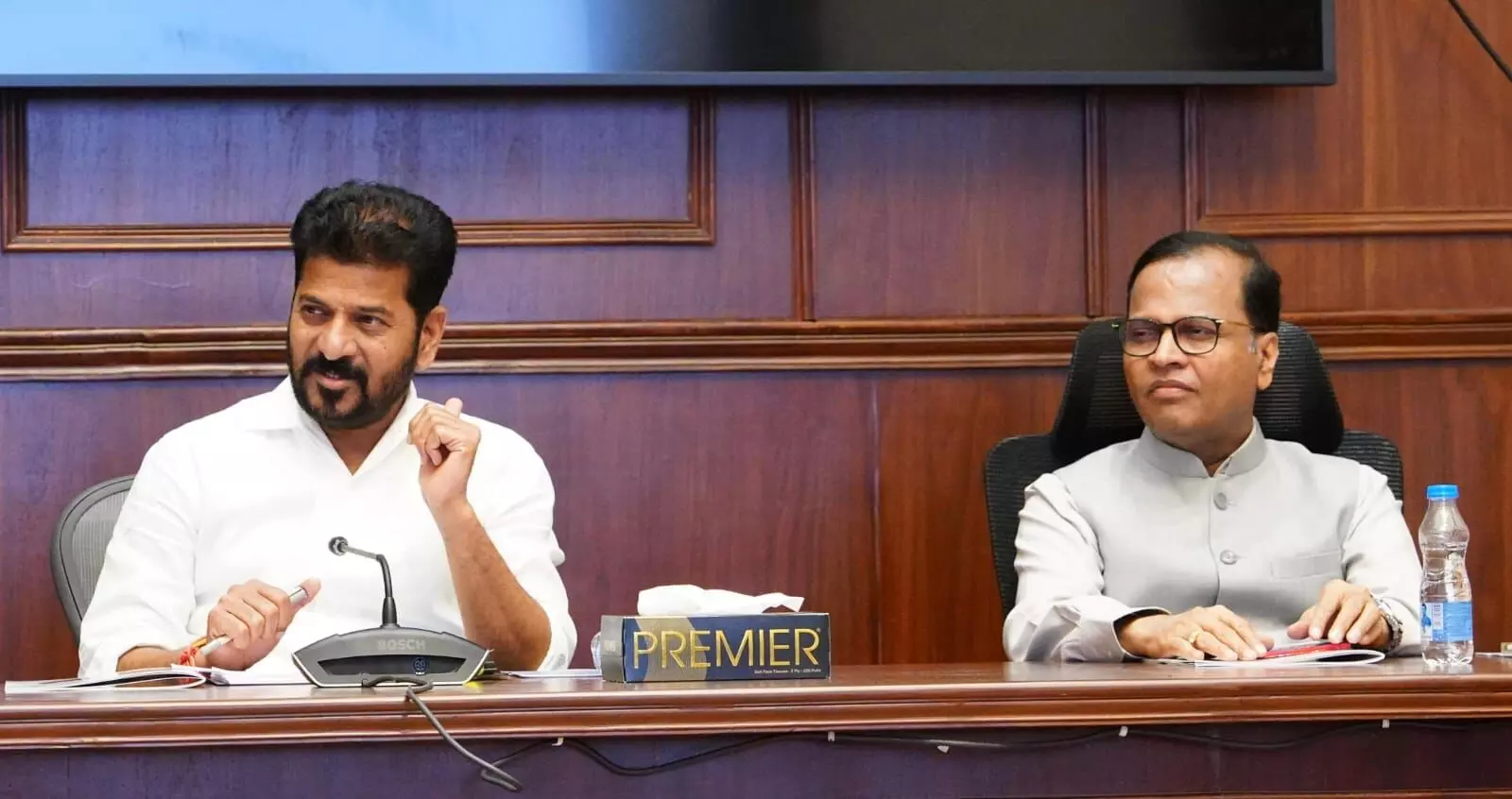
Telangana’s plan to build a ₹2,500 crore CSR corpus is drawing attention across India’s policy and business circles. The move reflects a structured approach to channel corporate social responsibility funds into large-scale development projects with measurable outcomes.
Telangana’s ₹2,500 crore CSR fund initiative marks a significant shift in how corporate social responsibility is being integrated into state-led development. The state government’s effort to aggregate CSR contributions into a centralized corpus positions Telangana as a potential model for structured and scalable corporate funding in India.
Telangana CSR Fund Aims to Centralize Corporate Contributions
The Telangana CSR fund is designed to pool voluntary contributions from corporates into a unified corpus managed with state oversight. Traditionally, CSR spending in India has been fragmented, with companies independently selecting projects based on their priorities and compliance needs under the Companies Act, 2013.
By proposing a centralized approach, Telangana aims to align CSR spending with broader developmental goals such as education, healthcare, rural infrastructure, and skill development. This shift could improve efficiency and reduce duplication of efforts, especially in sectors where coordinated funding can create larger impact.
Secondary keyword focus like state-led CSR model in India highlights how governments are beginning to play a more active role in directing corporate social investments.
Why ₹2,500 Crore CSR Corpus Matters for Development
A ₹2,500 crore CSR corpus represents a significant financial pool that can be deployed strategically across priority sectors. For a state like Telangana, which has rapidly grown as a technology and industrial hub, this initiative leverages its corporate presence to support social infrastructure.
The scale of funding allows for long-term projects rather than short-term CSR activities. Large infrastructure initiatives in rural areas, government schools, and public health systems can benefit from sustained funding rather than isolated interventions.
The Telangana CSR fund also creates opportunities for public-private collaboration where corporate expertise can complement government execution capabilities.
Shift from Compliance to Strategic CSR Spending
CSR in India has often been viewed as a compliance requirement rather than a strategic investment. However, initiatives like Telangana’s CSR corpus indicate a transition toward more outcome-driven CSR spending.
Companies contributing to the fund may benefit from streamlined processes, better project visibility, and measurable impact metrics. Instead of managing multiple small projects, corporates can participate in larger initiatives aligned with state priorities.
Secondary keyword focus like CSR policy transformation India becomes relevant as regulatory frameworks and state initiatives evolve to encourage more structured engagement.
Impact on Tier-2 and Rural Development
One of the most important aspects of the Telangana CSR initiative is its potential impact on Tier-2 and rural regions. CSR funds often remain concentrated in urban or semi-urban areas where corporates operate.
A centralized CSR model enables better allocation of resources to underserved regions. Rural infrastructure, digital education, healthcare facilities, and livelihood programs can receive targeted investments through coordinated planning.
This approach could also reduce regional disparities by ensuring that CSR funds are not limited to specific geographies but distributed based on development needs.
Challenges in Implementing a State-Led CSR Model
While the Telangana CSR fund presents a strong framework, its success will depend on execution, transparency, and corporate participation. Companies may have concerns about reduced control over how their CSR contributions are utilized.
Ensuring transparency in fund allocation and project outcomes will be critical to building trust among stakeholders. Clear governance structures, third-party audits, and regular reporting can help address these concerns.
Another challenge is maintaining flexibility for companies that prefer to continue their own CSR initiatives while contributing to the central corpus.
Could Telangana’s CSR Model Be Replicated Nationwide
If successfully implemented, Telangana’s CSR initiative could serve as a blueprint for other states. States with strong industrial bases such as Gujarat, Maharashtra, and Karnataka may explore similar models to channel CSR funds into priority sectors.
The idea of pooling CSR resources aligns with India’s broader development goals, especially in areas where large-scale funding is required. However, replication would depend on state-specific policies, corporate ecosystems, and governance capabilities.
Secondary keyword focus like CSR funding model India reflects growing interest in innovative approaches to corporate social responsibility.
What This Means for India’s Corporate and Policy Ecosystem
Telangana’s ₹2,500 crore CSR push signals a broader shift toward collaborative development models involving government and corporates. It reflects an evolving understanding that CSR can move beyond compliance to become a strategic tool for nation-building.
For businesses, it offers an opportunity to participate in high-impact projects with clear outcomes. For policymakers, it provides a framework to better utilize corporate resources for public welfare.
The initiative also reinforces the importance of accountability and transparency in managing large CSR funds, which will be critical for long-term success.
Key Takeaways
- Telangana plans to create a ₹2,500 crore CSR corpus to centralize corporate contributions
- The initiative aims to align CSR spending with state development priorities
- Tier-2 and rural areas could benefit from more structured CSR allocation
- Transparency and corporate trust will be key to the model’s success
FAQs
Q1. What is Telangana’s ₹2,500 crore CSR fund?
It is a proposed centralized corpus that pools corporate social responsibility contributions to fund large-scale development projects across the state.
Q2. How is this different from traditional CSR spending?
Unlike fragmented CSR activities by individual companies, this model focuses on coordinated and strategic allocation of funds.
Q3. Which sectors will benefit from this CSR initiative?
Education, healthcare, rural infrastructure, and skill development are expected to be key focus areas.
Q4. Can other states adopt this CSR model?
Yes, if successful, the model can be replicated by other states with strong corporate ecosystems and governance frameworks.











Leave a comment