


India’s Tier 2 consumption boom is reshaping the country’s economic landscape as smaller cities become major drivers of demand across sectors. Rising incomes, digital access and improved infrastructure are enabling businesses to tap new markets beyond traditional metropolitan hubs.
India’s Tier 2 consumption boom has become one of the most important trends shaping business growth in the country. Smaller cities are emerging as powerful consumption centers as income levels rise, internet access expands and brands increasingly target customers beyond major metropolitan regions.
Rising purchasing power in Tier 2 cities
India’s Tier 2 consumption boom is largely fueled by growing purchasing power in smaller urban centers. Cities such as Indore, Jaipur, Lucknow, Nagpur, Coimbatore and Surat have witnessed steady economic growth over the past decade.
Economic development in these cities has been driven by expansion in sectors like manufacturing, services, education and information technology. As employment opportunities increase, household incomes have also improved.
Higher disposable income has translated into stronger demand for consumer goods, automobiles, smartphones and financial services. Several market studies have shown that consumption growth in smaller cities is often faster than in larger metros where markets are already saturated.
Consumer brands and retailers have begun recognizing this shift. Many companies now design products and pricing strategies specifically for customers in emerging urban markets.
Digital connectivity enabling new consumer markets
Digital connectivity has played a central role in accelerating consumption growth in Tier 2 cities. Affordable smartphones and low cost mobile data have enabled millions of consumers to access online platforms for shopping, entertainment and financial services.
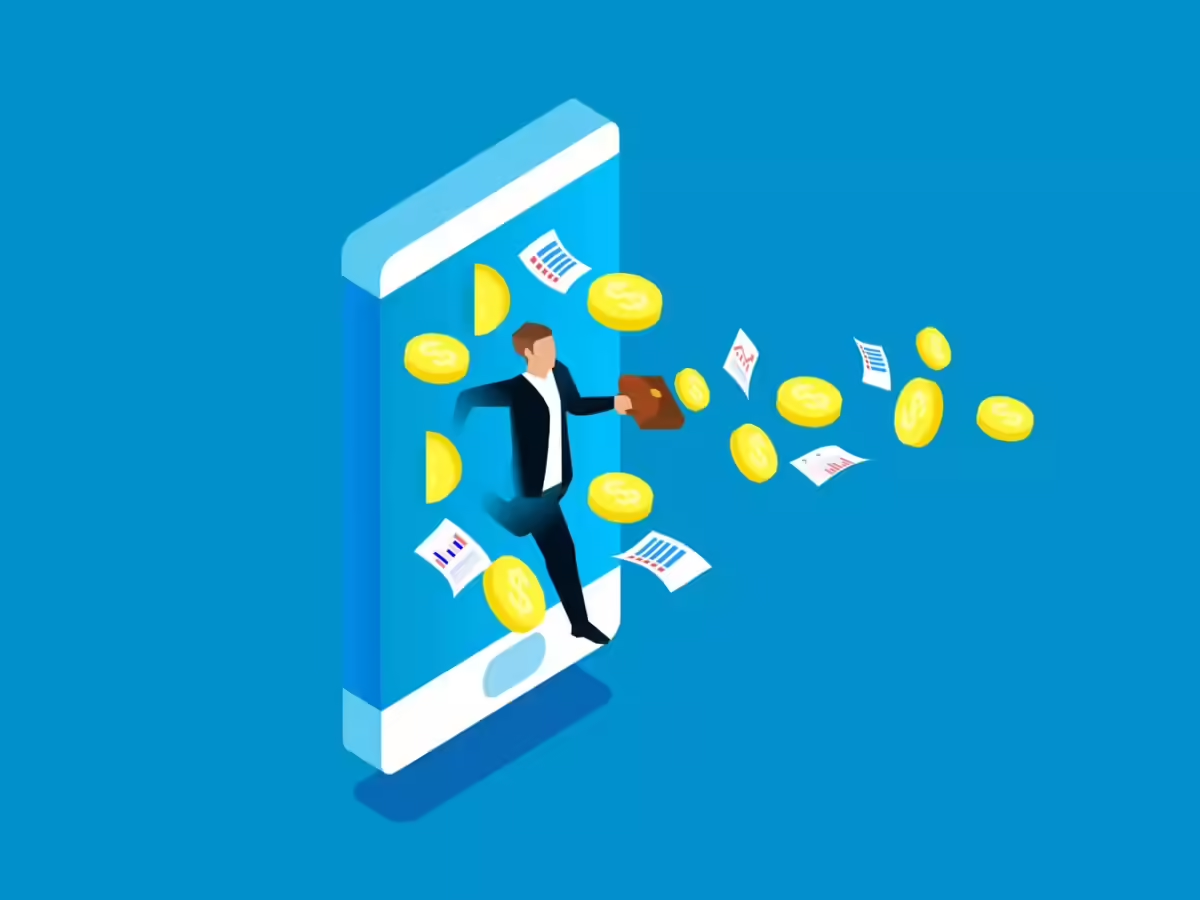
India’s rapid expansion of digital payments has also supported this transformation. Platforms built on the Unified Payments Interface have made digital transactions easy even for first time users.
E commerce companies have been among the biggest beneficiaries of this trend. Online marketplaces are now receiving a large share of new customers from smaller cities and towns rather than traditional metropolitan areas.
Logistics infrastructure has improved significantly as well. Faster delivery networks allow e commerce companies to serve customers in remote locations more efficiently, making online shopping a practical option across the country.
Businesses expand strategies for non metro markets
Companies across industries are adjusting their strategies to capture the opportunity created by Tier 2 consumption growth. Consumer goods firms are launching region specific products that match local preferences and purchasing patterns.
Automobile manufacturers are expanding dealership networks in smaller cities to reach first time buyers. Two wheeler and entry level car segments often see strong demand from emerging urban markets where mobility needs are rising.
Financial institutions are also targeting these regions through expanded banking services, microfinance programs and digital lending platforms. As more people enter the formal financial system, demand for loans, insurance and investment products increases.
Retail chains and shopping malls have also started expanding in smaller cities. Organized retail penetration remains relatively low in many of these markets, which creates room for future growth.
Role of infrastructure development and urbanization
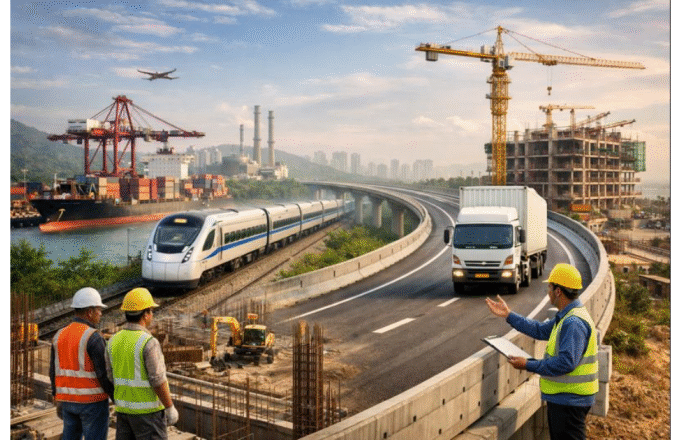
Infrastructure investment has played an important role in strengthening the economic potential of Tier 2 cities. Government programs focused on highways, airports, industrial corridors and smart city development have improved connectivity and business activity.
Better transportation networks reduce logistics costs and attract investment into regional manufacturing and service industries. Improved infrastructure also supports real estate development and urban expansion.
Urbanization trends are further contributing to rising consumption. As people migrate from rural areas to smaller urban centers for jobs and education, demand for housing, consumer goods and services increases.
Educational institutions and healthcare facilities in Tier 2 cities are also expanding, which attracts more residents and boosts economic activity.
E commerce and startups targeting emerging markets
Startups and digital platforms have played a key role in unlocking the potential of Tier 2 markets. Many technology companies now design their platforms with regional language support and simplified interfaces to attract new users.
Food delivery services, online grocery platforms and mobility apps have expanded aggressively in smaller cities. These services create new consumption patterns and encourage customers to adopt digital lifestyles.
Direct to consumer brands have also recognized the importance of non metro markets. Social media marketing and influencer driven campaigns often target audiences in regional languages to build brand awareness.
The growth of creator economies and digital entrepreneurship in smaller cities is another emerging trend. Local businesses increasingly use online platforms to reach customers across India.
Why Tier 2 cities are critical for India’s economic future
India’s long term economic growth will depend heavily on consumption expansion beyond major metropolitan areas. While cities like Mumbai, Delhi and Bengaluru remain important economic hubs, their consumer markets are already relatively mature.
In contrast, Tier 2 and Tier 3 cities represent large untapped markets with rising aspirations. Young populations, improving incomes and expanding digital access are creating favorable conditions for sustained demand growth.
Businesses that successfully understand regional preferences and adapt their strategies accordingly are likely to benefit the most from this transformation.
The shift toward smaller cities reflects a broader change in India’s economic geography where growth is becoming more distributed across multiple urban centers rather than concentrated in a few large metros.
Takeaways
Tier 2 cities are becoming major drivers of consumption growth in India’s economy.
Rising incomes, digital connectivity and infrastructure development are fueling demand.
Businesses across sectors are expanding strategies to target emerging urban markets.
E commerce platforms and startups are accelerating consumer adoption in smaller cities.
FAQs
What are Tier 2 cities in India?
Tier 2 cities are mid sized urban centers that are smaller than major metros but have growing economic activity and population, such as Jaipur, Indore and Lucknow.
Why are Tier 2 cities important for businesses?
These cities represent large untapped markets with rising incomes and increasing consumer demand for goods and services.
How is digital technology influencing consumption in smaller cities?
Affordable smartphones, low cost data and digital payments have enabled consumers in smaller cities to access e commerce and online services.
Which industries benefit most from Tier 2 consumption growth?
Consumer goods, automobiles, e commerce, financial services and digital platforms are among the sectors experiencing strong demand from these markets.







Leave a comment