

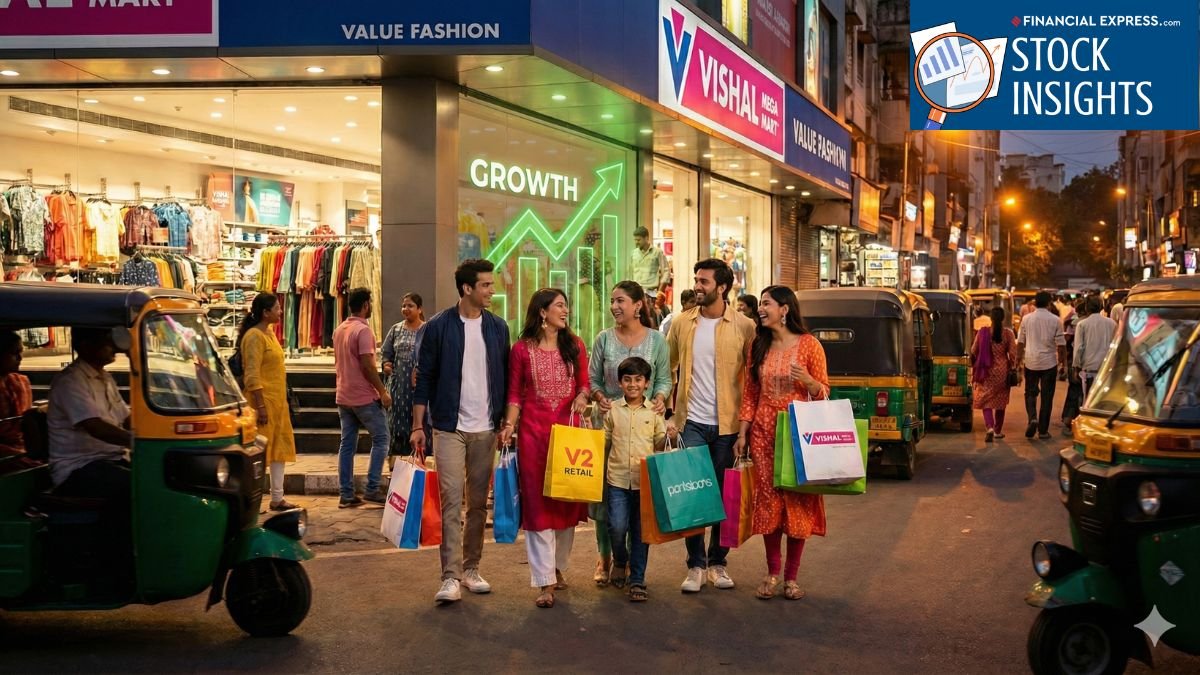
Consumer spending in Tier 2 cities is transforming India’s retail and entertainment industries. Rising incomes, digital adoption, and expanding infrastructure are driving strong demand beyond major metros, prompting brands, retailers, and entertainment companies to redesign their growth strategies around smaller urban markets.
India’s Tier 2 consumption boom is becoming one of the most important forces shaping the country’s retail and entertainment sectors. Companies across e commerce, retail chains, cinema operators, and digital entertainment platforms are increasingly focusing on Tier 2 and Tier 3 cities as demand from these regions grows rapidly. Improved internet access, higher disposable income, and changing lifestyle aspirations are encouraging consumers in smaller cities to spend more on fashion, electronics, entertainment, and travel.
Businesses that once prioritized metro markets are now redesigning distribution, pricing, and marketing strategies to capture this emerging consumer base.
Rising Disposable Income Driving Tier 2 Consumer Growth
The Tier 2 consumption boom is closely linked to rising disposable income in smaller cities. Economic growth, government infrastructure investments, and expanding service sectors have created new employment opportunities in these regions.
Cities such as Indore, Lucknow, Coimbatore, Nagpur, and Surat have seen steady growth in income levels over the past decade. Many professionals working in sectors such as information technology services, manufacturing, education, and logistics are now based outside the largest metropolitan areas.
As household incomes grow, consumer spending patterns are changing. Families are allocating more money toward lifestyle products, branded goods, and leisure activities.
Retailers report that demand for smartphones, home appliances, apparel, and beauty products has grown significantly in Tier 2 markets. Many brands now launch products simultaneously across metros and smaller cities instead of delaying distribution.
Retail Expansion Strategies Focus on Smaller Cities
Retail expansion in India is increasingly targeting Tier 2 markets as companies seek new growth opportunities. Large shopping malls, organized retail chains, and franchise outlets are expanding into smaller urban centers where competition is less intense than in major metropolitan areas.
Retail brands are adjusting store formats and pricing strategies to match local purchasing power. For example, several fashion and electronics retailers are introducing smaller stores with carefully selected product ranges tailored to regional preferences.
E commerce companies have also accelerated investments in logistics networks to reach customers in smaller towns. Warehousing infrastructure, last mile delivery services, and regional fulfillment centers are being expanded to improve delivery times.
Digital payment adoption has further strengthened online retail growth in Tier 2 regions. Unified Payments Interface transactions have made it easier for consumers to purchase goods online without relying on cash on delivery.
Entertainment Industry Sees Strong Demand Outside Metros
The Tier 2 consumption boom is also reshaping India’s entertainment industry. Cinema operators, streaming platforms, and event organizers are increasingly focusing on audiences in smaller cities.
Multiplex chains have expanded aggressively into Tier 2 markets over the past decade. New cinema complexes are opening in cities where traditional single screen theatres once dominated.
Streaming platforms are also witnessing significant growth in these regions. Affordable smartphones and lower data costs have allowed millions of consumers to access digital entertainment for the first time.
Regional language content has become a key driver of this growth. Films and series in languages such as Tamil, Telugu, Kannada, Bengali, and Marathi attract strong audiences in smaller cities and towns.
Entertainment companies are responding by increasing investments in regional storytelling and locally relevant content.
Brands Adapting Marketing for Tier 2 Audiences
Marketing strategies are evolving as companies try to connect with consumers in Tier 2 markets. Traditional advertising approaches designed for metropolitan audiences do not always resonate with consumers in smaller cities.
Brands are increasingly focusing on regional language marketing campaigns and local cultural themes. Influencer marketing using regional creators has also become popular, especially on social media platforms.
Offline promotional activities such as local events, college festivals, and mall activations remain important in these markets. Many brands combine digital campaigns with community level engagement to build stronger brand recognition.
Retail and entertainment companies are also relying heavily on data analytics to understand purchasing behavior in smaller cities. This helps businesses design targeted promotions and product offerings.
Infrastructure and Connectivity Accelerating Growth
Infrastructure improvements have played an important role in enabling the Tier 2 consumption boom. New highways, improved railway connectivity, and expanding airport networks are making smaller cities more accessible for businesses and consumers.
Urban development projects are also transforming these regions. Shopping malls, multiplexes, co working spaces, and residential townships are expanding rapidly in many Tier 2 cities.
Digital infrastructure has been equally important. Affordable mobile internet access has connected millions of consumers to online services including e commerce, streaming platforms, and digital payments.
These changes are creating a new consumer economy in smaller cities that is increasingly comparable to metropolitan markets.
Long Term Impact on India’s Consumer Economy
The growing importance of Tier 2 consumption is likely to reshape India’s consumer economy over the next decade. Market analysts estimate that a large share of future consumption growth will come from smaller cities rather than traditional metro hubs.
Companies that successfully adapt to these markets can unlock significant long term growth opportunities. This includes tailoring products, pricing strategies, and marketing campaigns to match regional preferences.
For sectors such as retail, entertainment, and digital commerce, the shift toward Tier 2 markets represents one of the most important structural changes in India’s business landscape.
As consumer aspirations continue rising across smaller cities, businesses that understand local demand patterns will be better positioned to capture the next wave of economic growth.
Takeaways
Tier 2 cities are becoming major drivers of consumer spending in India’s retail and entertainment sectors.
Rising disposable incomes and digital adoption are increasing demand for branded goods and entertainment services.
Retailers and e commerce companies are expanding logistics networks and store presence in smaller cities.
Regional content and localized marketing strategies are helping brands connect with Tier 2 audiences.
FAQs
What is driving the Tier 2 consumption boom in India?
Rising incomes, better infrastructure, digital connectivity, and growing aspirations among consumers in smaller cities are driving higher spending on retail products and entertainment.
Why are companies focusing on Tier 2 cities now?
Metro markets are becoming saturated while smaller cities offer strong growth potential with lower competition and increasing consumer demand.
How is the entertainment industry benefiting from Tier 2 growth?
Cinema chains, streaming platforms, and regional content producers are seeing strong audience growth in smaller cities due to affordable smartphones and internet access.
Which sectors are benefiting most from Tier 2 consumption growth?
Retail, e commerce, consumer electronics, entertainment, fashion, and food delivery sectors are among the biggest beneficiaries.







Leave a comment