


Tier 2 India is emerging as a business growth hub as metro cities face saturation in costs and competition. Companies are increasingly expanding into smaller cities to tap new markets, reduce expenses, and access a growing base of consumers and talent.
Tier 2 India Business Growth Gains Strategic Importance
Tier 2 India business growth has moved from being a secondary trend to a central strategy for companies across sectors. Rising operational costs in metro cities such as Mumbai, Bengaluru, and Delhi have pushed businesses to look beyond traditional hubs.
Smaller cities offer lower real estate costs, reduced employee expenses, and less competitive pressure. This creates a more sustainable environment for both startups and established companies to scale operations.
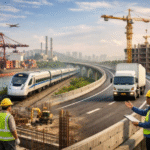
In addition, improving infrastructure, including better roads, internet connectivity, and logistics networks, has made it easier for businesses to operate efficiently in these regions. Government initiatives supporting regional development have further accelerated this shift.
Metro Saturation Forces Companies to Rethink Expansion
Metro saturation India is becoming a key factor influencing corporate decision-making. High rentals, traffic congestion, and talent attrition have increased the cost of doing business in major urban centers.
As markets in metros become crowded, customer acquisition costs have also risen significantly. Companies are finding it harder to differentiate themselves in highly competitive environments.
In contrast, Tier 2 cities present relatively untapped markets. Businesses can build brand presence more easily and capture early customer loyalty. This shift is visible in sectors such as retail, fintech, edtech, and quick commerce, where companies are expanding aggressively into smaller cities.
Digital Adoption Accelerates Tier 2 Market Expansion
Digital growth in Tier 2 cities has been a major enabler of this transformation. With widespread smartphone usage and affordable data plans, consumers in smaller cities are increasingly engaging with online platforms.
Apps like Flipkart and Amazon have reported strong user growth from non-metro regions. This shift has encouraged businesses to invest in digital-first strategies targeting these markets.
Online payments, driven by platforms such as PhonePe, have further simplified transactions and boosted consumer confidence in e-commerce.
As a result, companies can now reach customers in Tier 2 cities without heavy investments in physical infrastructure, making expansion more cost-effective.
Talent Pool in Smaller Cities Attracts Employers
Tier 2 workforce India is becoming an attractive asset for companies looking to scale efficiently. Educational institutions in cities like Indore, Nagpur, and Coimbatore are producing skilled graduates across engineering, management, and technology fields.
Many professionals are also choosing to stay in their hometowns due to improved local opportunities and better quality of life. This reduces attrition rates and helps companies build stable teams.
Remote work and hybrid models have further enabled businesses to tap into talent pools beyond metros. Companies can now hire skilled employees from multiple locations without requiring relocation.
Startups and Local Entrepreneurship on the Rise
Startup ecosystem Tier 2 India is witnessing steady growth as local entrepreneurs identify opportunities unique to their regions. These startups often focus on solving real problems such as logistics, agriculture, healthcare access, and regional commerce.
Government-backed initiatives and incubation centers are supporting this growth by providing funding, mentorship, and infrastructure. As a result, more founders are choosing to build businesses in their home cities rather than moving to metros.
This trend is creating a more balanced startup ecosystem across the country. It is also encouraging innovation that is tailored to local needs rather than one-size-fits-all solutions.
Challenges That Still Need Attention
Despite strong growth, Tier 2 cities face certain challenges that businesses must navigate. Infrastructure gaps, though improving, still exist in areas such as public transport and warehousing.
Access to capital remains another concern, especially for startups outside major investment hubs. Many investors continue to prefer metro-based companies due to proximity and familiarity.
Additionally, brand awareness and consumer trust can take longer to build in smaller markets. Companies need to invest in localized marketing and customer engagement strategies to succeed.
What This Shift Means for India’s Economic Future
The rise of Tier 2 India as a business hub reflects a broader decentralization of economic activity. It reduces pressure on metro cities while creating new opportunities for growth across regions.
For the Indian economy, this shift can lead to more inclusive development. Job creation, infrastructure expansion, and increased consumption in smaller cities can drive long-term growth.
Businesses that adapt early to this trend are likely to gain a competitive advantage. Understanding local markets, building regional strategies, and leveraging digital tools will be key to success.
Key Takeaways
• Tier 2 India is emerging as a major business growth hub due to metro saturation
• Lower costs and untapped markets are attracting companies to smaller cities
• Digital adoption is enabling businesses to scale efficiently in non-metro regions
• Talent availability and local entrepreneurship are strengthening regional ecosystems
FAQs
Why are companies expanding into Tier 2 cities in India?
They offer lower costs, less competition, and access to new customer bases compared to saturated metro markets.
Which sectors are growing in Tier 2 India?
E-commerce, fintech, edtech, retail, and logistics are seeing strong expansion in smaller cities.
Is infrastructure sufficient in Tier 2 cities?
It is improving rapidly, but some gaps still exist, particularly in transport and logistics.
How does this trend impact the Indian economy?
It promotes balanced regional growth, creates jobs, and reduces pressure on metro cities.










Leave a comment