

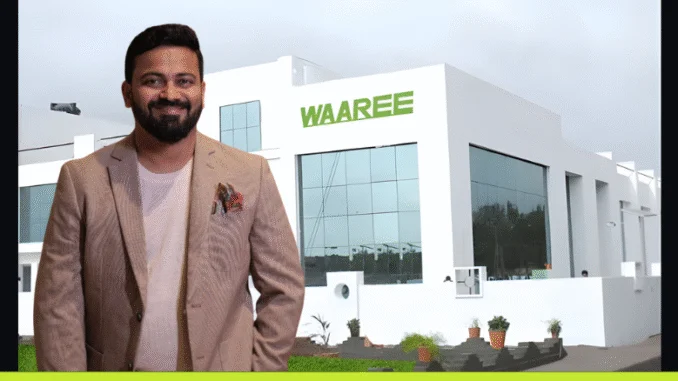
Waaree Energy Storage Systems has secured ₹325 crore in funding to scale its battery manufacturing operations. The investment aims to strengthen India’s energy storage capabilities and create opportunities for energy firms in Tier-2 and Tier-3 markets, boosting regional adoption of renewable solutions.
Funding and Expansion Plans
Waaree Energy Storage Systems recently closed a ₹325 crore funding round aimed at enhancing its battery manufacturing infrastructure. The company specializes in lithium-ion and advanced energy storage solutions, which are essential for electric mobility, solar integration, and backup power systems. This funding enables Waaree to expand production capacity, develop R&D facilities, and accelerate deployment of energy solutions beyond major metro cities, targeting emerging regional markets where demand for reliable storage is rising.
Impact on Energy Firms Beyond Metro Markets
Tier-2 and Tier-3 cities often face challenges in energy storage infrastructure, limiting adoption of renewables and electric vehicles. Waaree’s expansion can address this gap by providing local firms access to high-quality battery solutions. Smaller energy companies and solar installers can leverage increased availability to offer dependable services without relying solely on metro-based suppliers. This regional expansion not only enhances energy security but also stimulates local entrepreneurship and strengthens supply chains.
Technological Advancements in Battery Manufacturing
Waaree Energy is investing in cutting-edge manufacturing technologies, including modular battery design, smart energy management systems, and advanced quality control processes. By integrating these technologies, the company ensures higher efficiency, longer lifespan, and improved safety standards for batteries. Regional energy firms can benefit from access to such advanced solutions, enabling them to deploy large-scale solar projects, EV charging infrastructure, and microgrid systems, particularly in underserved areas where reliable energy storage is crucial.
Economic and Employment Implications
The expansion is expected to create significant employment opportunities in local communities, including technical and manufacturing roles. Beyond direct employment, regional energy ecosystems stand to gain from ancillary services such as logistics, maintenance, and installation. The investment also encourages skill development in battery technology and renewable energy solutions, equipping the workforce in smaller cities with expertise in cutting-edge energy systems.
Challenges and Strategic Considerations
Despite strong growth potential, challenges remain. Supply chain constraints for raw materials, workforce training, and infrastructure readiness in Tier-2 and Tier-3 regions can impact execution. Waaree Energy must coordinate with local authorities, industrial associations, and technical institutes to ensure smooth expansion. Strategic planning, regulatory compliance, and robust distribution networks will be crucial to successfully reach non-metro markets and establish a reliable energy storage ecosystem.
Takeaways
- Waaree Energy secures ₹325 crore to expand battery manufacturing operations.
- Tier-2 and Tier-3 energy firms gain access to advanced storage solutions.
- Expansion supports renewable adoption, electric mobility, and regional energy security.
- Focus on workforce development and supply chain readiness is essential for success.
FAQs
Q1: What is the purpose of Waaree Energy’s funding?
A1: The ₹325 crore investment will scale battery manufacturing and enhance energy storage solutions for regional markets.
Q2: How will Tier-2 and Tier-3 markets benefit?
A2: Local energy firms will gain access to reliable batteries, supporting renewable projects and electric mobility initiatives.
Q3: What technologies are being implemented in manufacturing?
A3: Modular battery design, smart energy management, and advanced quality control for safer, longer-lasting batteries.
Q4: What challenges could affect the expansion?
A4: Raw material supply constraints, workforce training, and infrastructure readiness in smaller cities may impact execution.












Leave a comment