

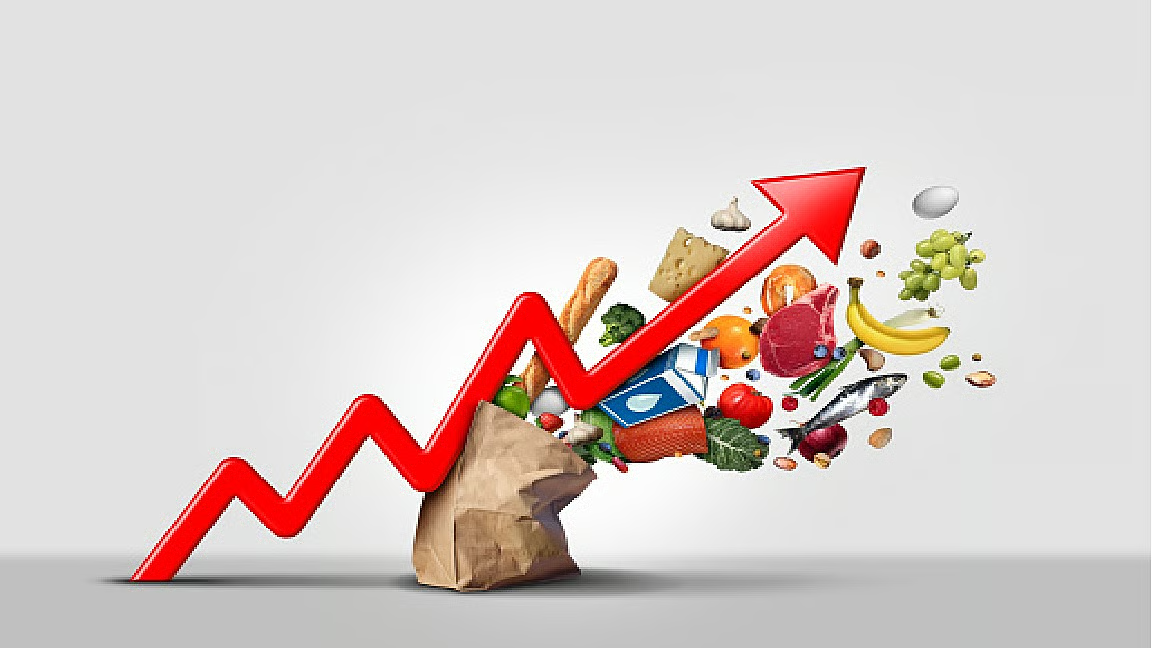
The weakening rupee and its link to rising inflation is a time sensitive economic development that directly affects commodity prices across Tier 2 and Tier 3 markets. The combination of currency stress and higher import costs is already influencing wholesale rates, logistics expenses and consumer level pricing for essential goods.
Import linked commodity inflation and rising procurement costs
A weaker rupee increases the landed cost of imported commodities such as crude oil, edible oil, pulses, fertilisers and key metal inputs. Tier 2 and Tier 3 markets depend heavily on national distributors who import or source through import aligned supply chains. When the rupee loses value, these distributors adjust their pricing to reflect higher dollar denominated costs. For example, crude oil imports influence diesel pricing and edible oil imports determine the base cost for cooking oil and packaged food manufacturing. Smaller city wholesalers often operate with limited margin buffers which makes them more sensitive to currency driven price revisions. In many regional mandis, procurement costs for staples rise before retail markets can fully adjust.
Fuel price volatility and logistics cost pressures
Transporters and logistics operators face higher diesel expenses during phases of currency weakness because India relies on imported crude. Even if retail fuel prices do not increase immediately, many logistics companies revise freight rates in anticipation of higher input costs. Tier 2 and Tier 3 supply chains are more vulnerable because routes are longer and delivery density is lower compared to metros. For instance, vegetable traders in eastern and northern districts often rely on intercity trucks that charge per kilometre rates linked to diesel trends. When logistics costs rise, wholesalers pass the burden to retailers who in turn adjust consumer prices. This dynamic is seen clearly in the movement of vegetables, cement, steel materials and FMCG goods.
Impact on essential commodities consumed in small towns
Essential commodities such as pulses, cereals, edible oil, sugar and packaged food items show price sensitivity to currency fluctuations. Pulses have partial import dependence and often react quickly when global prices combine with rupee weakness. Edible oil is among the most exposed categories because India imports a large share of palm oil and soybean oil. In Tier 2 and Tier 3 towns where consumers buy smaller pack sizes, even modest price increases affect household budgets. Retailers frequently reduce promotional offers or shift to locally produced alternatives when imported raw materials become expensive. This creates visible changes in product assortment on supermarket shelves and kirana stores.
Manufacturing and small industries facing cost escalation
Many small industries in smaller cities depend on imported machinery parts, metal components or chemical inputs. Currency depreciation raises their input costs which directly affects production cycles. Sectors such as textiles, auto components, packaging and food processing face higher working capital needs during currency stress. Manufacturers often reduce order sizes or delay procurement to manage volatility. These decisions create downstream effects for traders who stock industrial goods. Higher input prices also influence the final pricing of consumer products manufactured in these regions. For example, plastic goods, hardware items and basic electronics assembled in small industrial clusters reflect higher component costs when the rupee weakens.
Consumer behaviour shifts and demand changes in regional markets
Households in smaller cities typically operate with strict monthly budgets. When essential commodities become costlier, consumers reduce discretionary purchases and shift to lower priced alternatives. They often switch from branded edible oils to local labels or from premium snacks to economy packs. Big ticket purchases such as appliances, electronics or furniture get delayed. This shift slows demand in categories that rely on festive sales or seasonal surges. Retailers respond by offering smaller pack sizes, limited time discounts or alternative product ranges. The combined effect of currency weakness and inflation usually results in a slow and steady change rather than sudden market disruption.
Policy environment and inflation management outlook
The Reserve Bank of India tracks currency movements closely because they influence imported inflation. If the rupee shows persistent weakness, monetary policy may tilt towards tighter conditions to contain inflation expectations. For small town markets, this environment affects credit costs for traders and MSMEs. Government measures such as duty adjustments on edible oil, pulses or raw materials can provide temporary relief. However, structural dependence on imports means commodity prices in Tier 2 and Tier 3 markets remain susceptible to global currency trends. Long term stability requires diversification of supply chains, increased domestic production and improved storage and logistics infrastructure.
Takeaways
Weaker rupee increases import linked commodity costs in small towns.
Logistics expenses rise as diesel linked freight rates move upward.
Consumers adjust spending patterns as essential items become costlier.
Small industries face higher input costs and tighter working capital cycles.
FAQs
Which commodities get costlier first when the rupee weakens
Edible oil, pulses, crude linked products and metal based inputs typically move first because of strong import dependence.
Why are Tier 2 and Tier 3 markets more exposed to logistics cost changes
These markets rely on longer delivery routes and have lower delivery density which increases per kilometre freight costs when diesel prices rise.
Do retailers in small towns have flexibility to absorb price hikes
Margins are tight, so retailers pass most cost increases to consumers. They adjust pack sizes and product mixes to maintain affordability.
Can policy measures ease inflation caused by currency stress
Duty cuts or temporary subsidies can soften the impact, but long term stability requires strengthening domestic production and reducing import reliance.












Leave a comment