

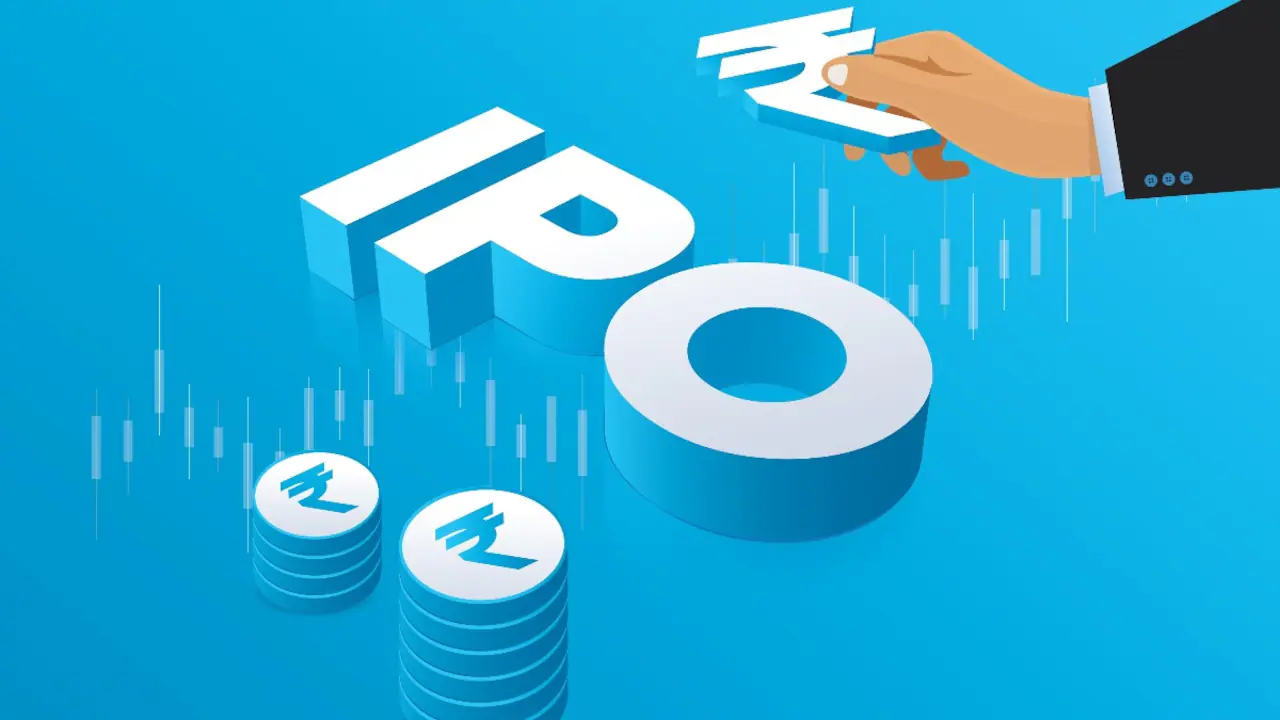
India’s IPO rush led by companies like Meesho and Wakefit is a time sensitive trend that reflects the country’s shifting consumption patterns and rising confidence in digital first consumer brands. The momentum shows how middle class demand, regional growth and online behaviour are reshaping business models. It also raises an interesting question for creators and studios exploring business focused storytelling: can these developments become compelling content for future drama series.
The surge of consumer startups entering public markets signals a maturing ecosystem where demand is distributed across both metro and non metro households.
Why consumer startups are leading the latest IPO wave
Secondary keyword: digital commerce expansion
Digital commerce has expanded significantly over the past five years. Meesho’s model of enabling small sellers, homemakers and micro entrepreneurs reflects how value conscious consumption has spread into Tier 2 and Tier 3 cities. Wakefit’s rise in the home furnishing category shows strong demand for branded lifestyle products at affordable price points. Their decision to go public indicates stability in revenue, wider customer adoption and long term market potential.
The IPO rush highlights that India’s consumption base is no longer limited to metros. Customers from smaller towns now constitute a large share of digital orders and repeat purchases. This motivates consumer startups to scale faster, strengthen supply chains and diversify portfolios before entering public markets.
The listing interest from retail investors further signals trust in consumer categories that deliver essential products or enhance quality of life.
How India’s evolving consumption story is reflected in these listings
Secondary keyword: middle class demand shift
The success of companies like Meesho and Wakefit reflects a deeper transformation driven by rising aspirations of middle class families. Consumption patterns show a greater willingness to spend on convenience, home comfort and lifestyle upgrades. The pandemic accelerated this shift as households invested more in home products, tech enabled services and online shopping.
Meesho capitalised on the informal retail economy, helping millions of small sellers reach customers across the country. Wakefit built trust through transparent pricing, fast delivery and customer centric design. Their growth demonstrates how companies that address functional needs with affordability and reliability can build scalable businesses in India.
This trend shows that consumer brands targeting middle income households are moving from niche status to mainstream relevance. Their ability to address mass market preferences positions them well for public markets.
Why these developments could inspire business drama content
Secondary keyword: startup storytelling trends
India’s startup journeys offer strong narrative potential for business drama series. Stories of consumer brands achieving IPO scale represent a mix of ambition, rivalry, operational challenges and grassroots entrepreneurship. These narratives carry emotional depth and commercial stakes similar to global business dramas that explore founder journeys and economic shifts.
Meesho’s storyline of empowering small town entrepreneurs, navigating competitive marketplaces and managing rapid scale offers rich storytelling dimensions. Wakefit’s journey of building a brand around sleep science, customer trust and manufacturing innovation provides another compelling arc.
The broader IPO rush captures tensions around valuation pressures, investor expectations, public scrutiny and the shift from startup agility to corporate governance. These elements mirror themes commonly explored in business centric content, making the Indian consumption story an attractive canvas for long form storytelling.
Studios increasingly seek narratives rooted in real economic transformation. India’s evolving consumption landscape, driven by technology and accessible products, offers a backdrop that resonates with a wide audience.
What this IPO phase means for future consumer brands
Secondary keyword: market readiness for listings
The entry of more consumer startups into public markets sets new benchmarks for operational discipline, financial transparency and product maturity. Brands planning future listings will need stronger compliance frameworks, predictable cash flows and geographically diverse demand bases.
The IPO run also influences capital allocation. Investors may channel more funds into consumer categories showing high adoption in non metro regions. This reinforces the importance of building trust, managing supply chains effectively and developing scalable digital ecosystems.
For founders, the public listing trend signals that Indian markets are now receptive to consumer brands built around everyday needs rather than purely high tech or luxury categories. This widens opportunities for companies solving functional problems at mass market scale.
Could India’s consumption journey shape larger cultural narratives
Secondary keyword: cultural shift in consumer behaviour
The rise of consumer startups reflects changing cultural attitudes toward convenience, affordability and lifestyle enhancement. Families in smaller towns aspire to the same quality standards as metros, and digital platforms have reduced access gaps. This creates a unified national market with diverse regional preferences.
These cultural shifts can influence how audiences perceive business stories. A business drama rooted in India’s consumption boom would resonate because it mirrors real life transitions experienced by millions of households. The emotional and economic stakes behind these changes make the narrative relatable and compelling.
As India moves into a new phase of consumer expansion, its business stories may gain global relevance. The IPO journeys of Meesho and Wakefit could mark the beginning of a storytelling era centred on India’s economic evolution.
Takeaways
IPO rush reflects India’s shifting middle class consumption patterns
Consumer startups gain traction due to digital adoption and regional demand growth
Business drama creators can draw compelling narratives from real startup journeys
Public market readiness raises operational expectations for future consumer brands
FAQs
Why are consumer startups going public now?
Improved demand stability, strong digital adoption and widened customer bases across smaller cities have enabled consumer startups to meet public market requirements.
What does the IPO trend say about India’s consumption story?
It shows rising aspiration levels, increased spending on convenience and lifestyle products, and strong trust in homegrown digital first brands.
Can these startup journeys inspire business content?
Yes. The mix of ambition, challenges, growth pressure and market transformation provides strong material for business drama storytelling.
Will more consumer startups pursue IPOs soon?
Likely yes, as companies investing in financial discipline, mass market positioning and hybrid distribution models become better suited for public markets.










Leave a comment