

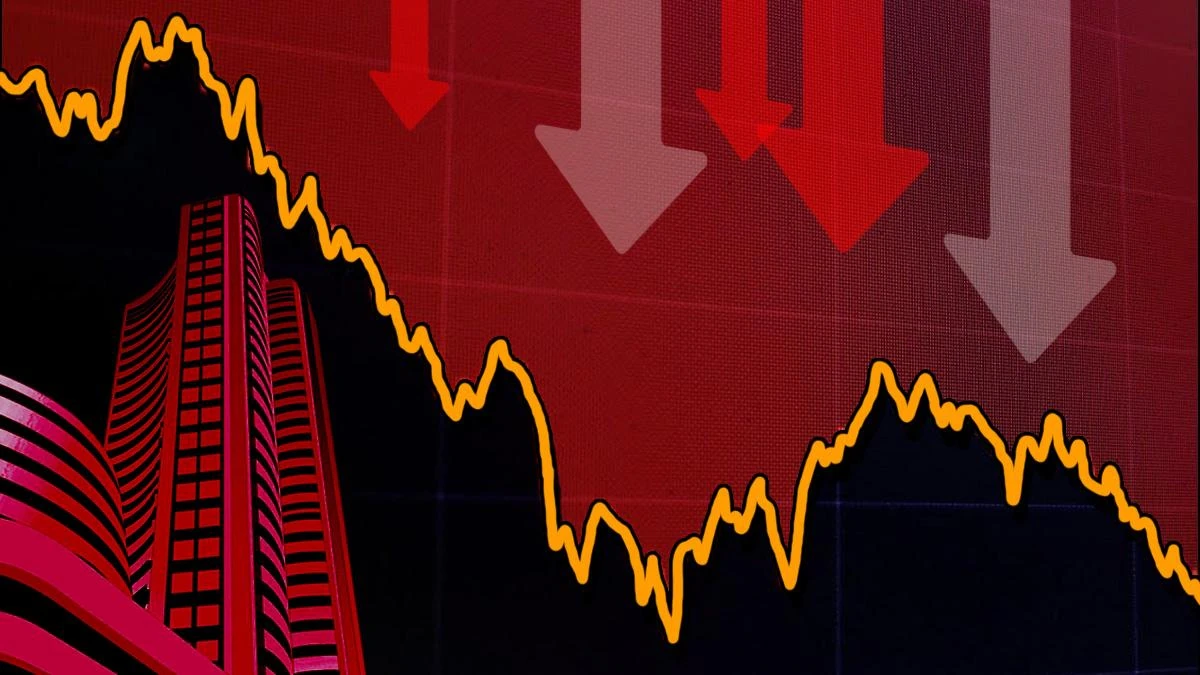
Indian Energy Exchange Ltd has seen quiet price movements recently as investors reassess the company’s volume outlook, regulatory environment and future role in India’s power market structure. For small town investors who often invest through SIPs and long term portfolios, understanding these shifts is important before making allocation decisions.
The Indian Energy Exchange, commonly known as IEX, operates the leading electronic power trading platform in the country. It enables power distribution companies, industrial buyers and generators to trade electricity on short duration markets. The stock has historically been viewed as a structural growth play tied to India’s increasing electricity demand and transition toward market based power pricing. However, recent price movement is linked to both regulatory discussions and changes in the short term power market growth rate.
Understanding the recent market movement
IEX share price movement has been influenced by adjustments in trading volumes across its Day Ahead Market and Real Time Market segments. While India’s overall electricity consumption has been rising, the share of power procured through exchanges fluctuates depending on supply conditions, seasonal demand and long term contract agreements.
Periods of high coal availability and increased long term power supply reduce the need for spot market purchases. When state distribution companies secure more contracted supply at fixed tariffs, exchange volumes can temporarily slow. Investors read these volume patterns closely, leading to quiet but notable price adjustments.
However, the structural driver remains intact. Over the long term, India is moving toward a more flexible, market-linked electricity system with greater share of renewable energy. This requires balancing supply and demand more dynamically, which supports power exchange activity.
Regulatory discussions shaping sentiment
Regulatory developments have played a significant role in investor perception. Discussions around market coupling, which would allow a centralized mechanism to determine electricity prices across all exchanges, raised questions about IEX’s pricing power and competitive advantage. While no final decision has been implemented, the discussions introduced uncertainty for some investors.
Additionally, policymakers have explored new market instruments such as capacity markets and longer duration contracts that could co-exist with existing short term markets. The outcome of these discussions may affect the revenue model for exchanges. Small investors should note that regulatory changes in the power sector are typically gradual. Structural reforms go through multi-stage consultation and implementation phases. This means market reactions often reflect sentiment rather than immediate operational shifts.
Growth opportunities in renewable and real time markets
The future growth story for IEX is linked to renewable energy expansion. As more solar and wind capacity enters the grid, electricity supply becomes more variable across hours and seasons. Real Time Market volumes on exchanges have already increased in recent years because distribution companies need flexible procurement to handle renewable fluctuations.
If India meets its renewable installation targets over the next decade, short term markets will likely play a larger role in grid balancing. This creates a positive long term tailwind for exchange-based trading. Products like Green Day Ahead Market and Renewable Energy Certificates also add new revenue layers. For patient long horizon investors, these elements form the core strategic rationale behind IEX.
What small town investors should look for
Small town investors who approach equity markets through mutual funds or direct brokerage apps should evaluate IEX as a long term utility market infrastructure play rather than a momentum stock. The key signals to monitor include:
• Quarterly trading volume trends across Day Ahead, Real Time and Green Market segments.
• Regulatory announcements from the Central Electricity Regulatory Commission.
• Expansion in renewable capacity and grid modernization projects.
• Growth in participation from commercial and industrial buyers.
Instead of reacting to price fluctuations, investors can benefit from reviewing fundamentals such as margins, operating leverage and cash reserves. IEX operates with high profitability and low debt, which reduces downside risk during market slowdowns.
Takeaways
• IEX share movement is influenced by trading volume shifts and regulatory discussions rather than demand collapse.
• Long term power market reforms and renewable integration support exchange-based trading growth.
• Small town investors should treat IEX as a long horizon structural play, not a short term trade.
• Tracking regulatory announcements and market volume patterns is more important than reacting to weekly price changes.
FAQ
Why has IEX stock moved quietly instead of sharply?
The movement reflects gradual volume and sentiment shifts rather than major business model changes. Power market adjustments tend to happen steadily, not in sudden jumps.
Does regulatory uncertainty pose a long term risk?
Regulatory reforms can influence competitive structure, but changes in the power sector are typically phased. Long term demand and renewable integration continue to support exchange usage.
Is IEX still a growth company?
Yes, but growth is tied to the pace of India’s renewable expansion and market-based power procurement. Growth is likely steady rather than rapid.
How should small investors approach investing in IEX?
Focus on long term fundamentals, portfolio allocation balance and steady monitoring of market volume trends instead of reacting to short term price swings.











Leave a comment