

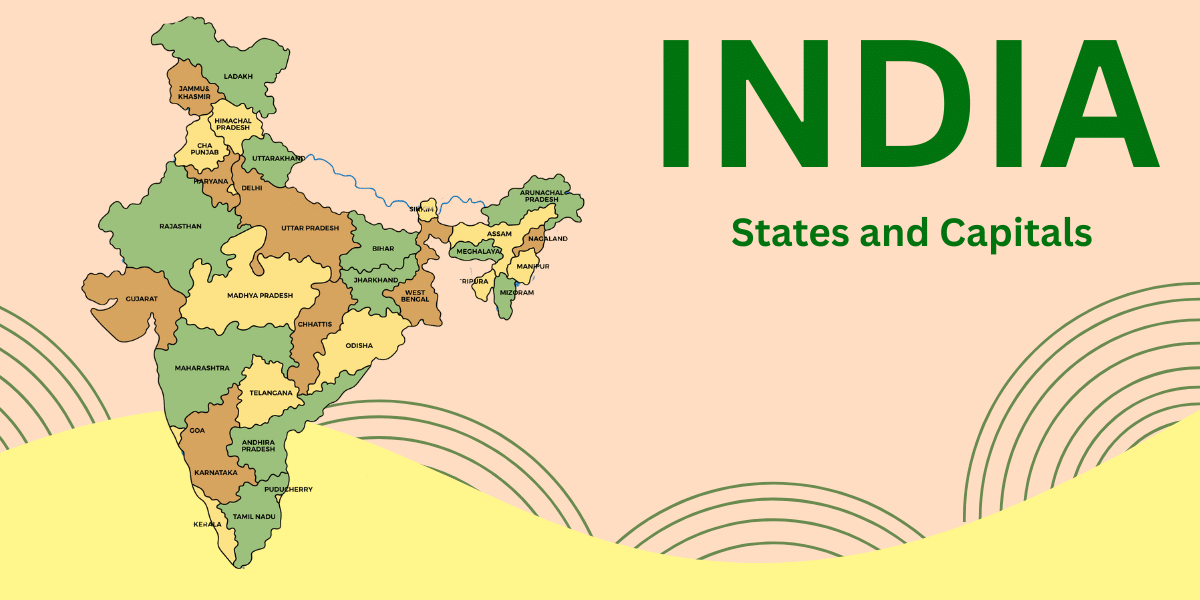
State government policies are creating a new business opportunity map across smaller towns as investments, infrastructure support and targeted schemes move beyond major cities. These policies are influencing capital inflows, job creation and sectoral expansion, and they are reshaping how entrepreneurs and investors evaluate non metro markets.
Several states are actively deploying reforms aimed at decentralising industrial activity. The immediate shift is visible in policy design where incentives, land banks, MSME support and plug and play industrial spaces are being used to attract businesses to districts that previously saw limited economic activity. This makes the topic evergreen with current relevance, allowing for a detailed and informative tone.
Why new state policies matter for smaller towns
State governments are increasingly focusing on smaller towns because major cities are reaching capacity limits in land availability, infrastructure load and operational cost structures. As a result, policies are being designed to redirect industrial growth toward emerging districts. These policies include simplified registration procedures, single window clearances, power tariff benefits, sector specific incentives and subsidies for machinery upgrades. For smaller towns these changes matter because they reduce the entry barrier for new factories and service units.
Many states have also introduced sector clusters in areas like textiles, electronics assembly, food processing, auto components and renewable energy. By doing so, they create concentrated zones where shared infrastructure, skilled labor and vendor networks improve efficiency. Smaller towns benefit as these clusters act as anchors for additional economic activity in logistics, housing, commercial services and local retail.
The rise of district level industrial hubs
A key secondary keyword here is industrial hubs. Several districts across the country are now witnessing new industrial parks and technology zones that are attracting attention from mid sized companies. The shift is driven by both policy push and availability of affordable land. When a state designates a district as a focus area, it often upgrades roads, warehousing and power distribution. This reduces bottlenecks that historically prevented businesses from shifting operations outside metro clusters.
Entrepreneurs in smaller towns have also observed that state backed incentives often make expansion financially viable. For example capital subsidies reduce the burden on early stage manufacturing units while reimbursement based schemes help sustain operations during initial years. These hubs give local businesses a chance to participate in supply chains that previously bypassed their region.
How policy support improves ease of doing business
Ease of doing business is another important keyword that influences investor behaviour. State governments are increasingly offering digital approval systems, time bound clearances and grievance redressal mechanisms. These steps reduce delays that once discouraged businesses from considering Tier 2 and Tier 3 towns. Policies promoting MSMEs are playing a central role since small units form the backbone of local economies.
Some policies also focus on training through skilling centres, apprenticeship programs and collaborations with educational institutions. This improves workforce readiness which is often a major concern for companies assessing new production sites. When talent availability improves, businesses find it easier to scale operations without relying entirely on migrant labor. Smaller towns with strong skilling programs often register higher investor interest.
Export promotion policies are another feature of recent state strategies. Districts are being encouraged to identify high potential export categories and streamline testing, certification and logistics support. This opens opportunities for local manufacturers who previously lacked access to export channels.
Business opportunities emerging from policy driven shifts
The business opportunity map is expanding as supporting industries grow around new policy interventions. Logistics companies see opportunities in warehousing, transportation and cold chain storage. Housing developers are witnessing rising demand in towns where new factories are coming up. Service based businesses such as repair workshops, training centres, food supply units and local finance providers benefit as worker populations increase.
Entrepreneurs in smaller towns can identify opportunities by tracking which sectors are being prioritised in their state. For example a food processing cluster can create openings in packaging units, quality labs and distribution networks. A textile park can attract dyeing units, testing facilities and design studios. Policies that incentivise green technologies also open pathways for solar installation firms, waste management units and energy auditing services.
Local traders and retailers can also gain indirectly. When purchasing power rises due to job creation, consumption across segments increases. This creates growth for FMCG distributors, electronics retailers, restaurants and small service providers.
Takeaways
State policies are decentralising industrial growth and bringing fresh opportunities to smaller towns.
Improved ease of doing business and digital approvals make these regions more attractive for investors.
Sector specific clusters help smaller towns integrate into national supply chains.
Entrepreneurs can benefit by aligning their business plans with emerging policy driven opportunities.
FAQs
Q: Why are state governments focusing on smaller towns now?
A: Larger cities face saturation in land and infrastructure, prompting states to distribute industrial activity to districts with lower costs and stronger expansion potential.
Q: Are incentives enough to attract new businesses to smaller towns?
A: Incentives help, but businesses also evaluate infrastructure, workforce availability and logistics. The combination of all these factors determines long term viability.
Q: Which sectors benefit the most from these policy changes?
A: Sectors like textiles, food processing, electronics assembly, auto ancillaries and renewable energy often receive the strongest state level support.
Q: How can entrepreneurs identify the best opportunities in their region?
A: By tracking state notifications, cluster announcements and district level industrial plans, and aligning them with their capabilities or supply chain strengths.











Leave a comment